


Belarusian scientists have reconstructed the appearance of a miner who lived 4,500 years ago
13:55, 4 February

Photo: BELTA
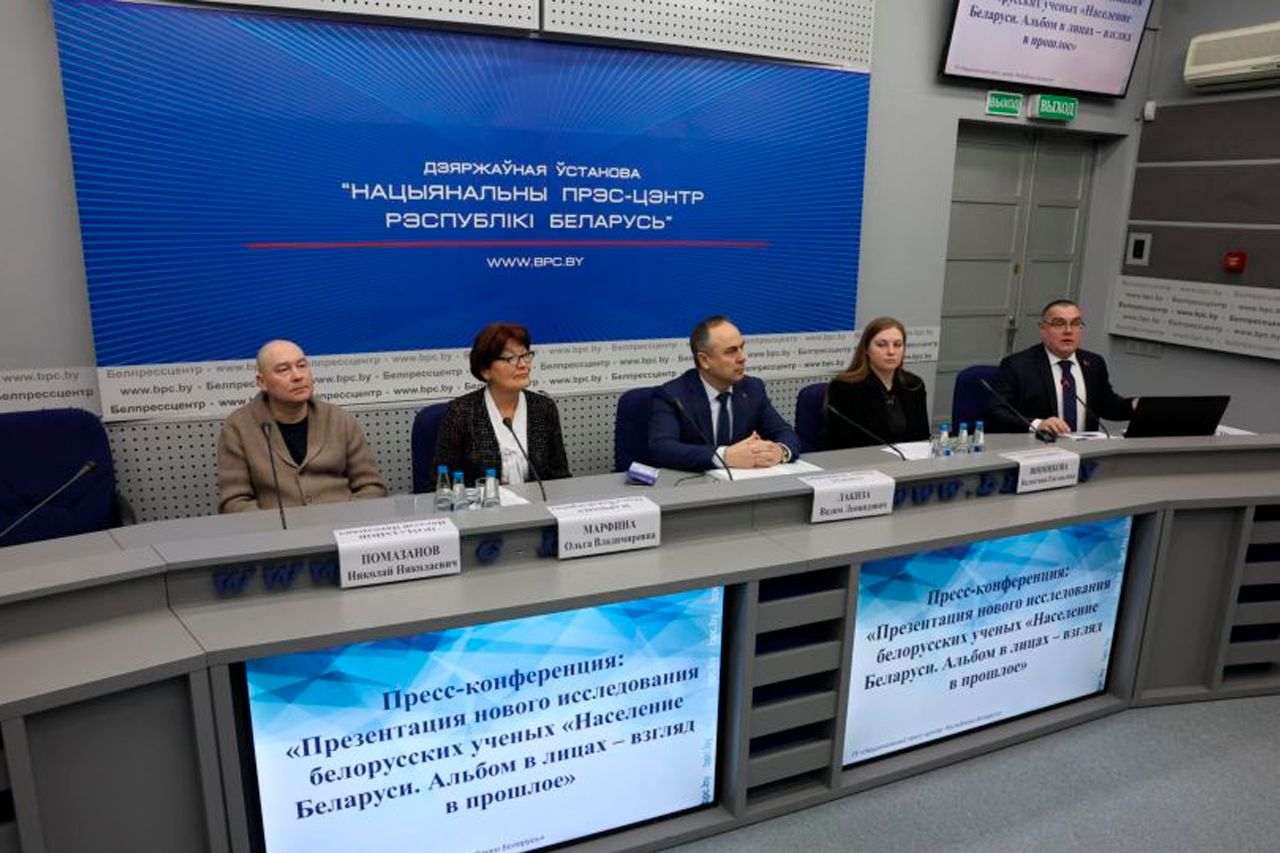
Belarusian scientists have reconstructed the appearance of a miner who lived 4,500 years ago. This is part of a new study, "The Population of Belarus: An Album of Faces – A Look into the Past," which was presented in Minsk today, BELTA reports.
- Share on Facebook
- Share on VK
- Share on Twitter
The new edition was prepared by researchers from the Institute of History of the National Academy of Sciences of Belarus and the N.N. Miklouho-Maclay Institute of Ethnology and Anthropology of the Russian Academy of Sciences. This is a fundamental work in anthropology, presenting a wealth of illustrative and research material on the population of the Belarusian lands.
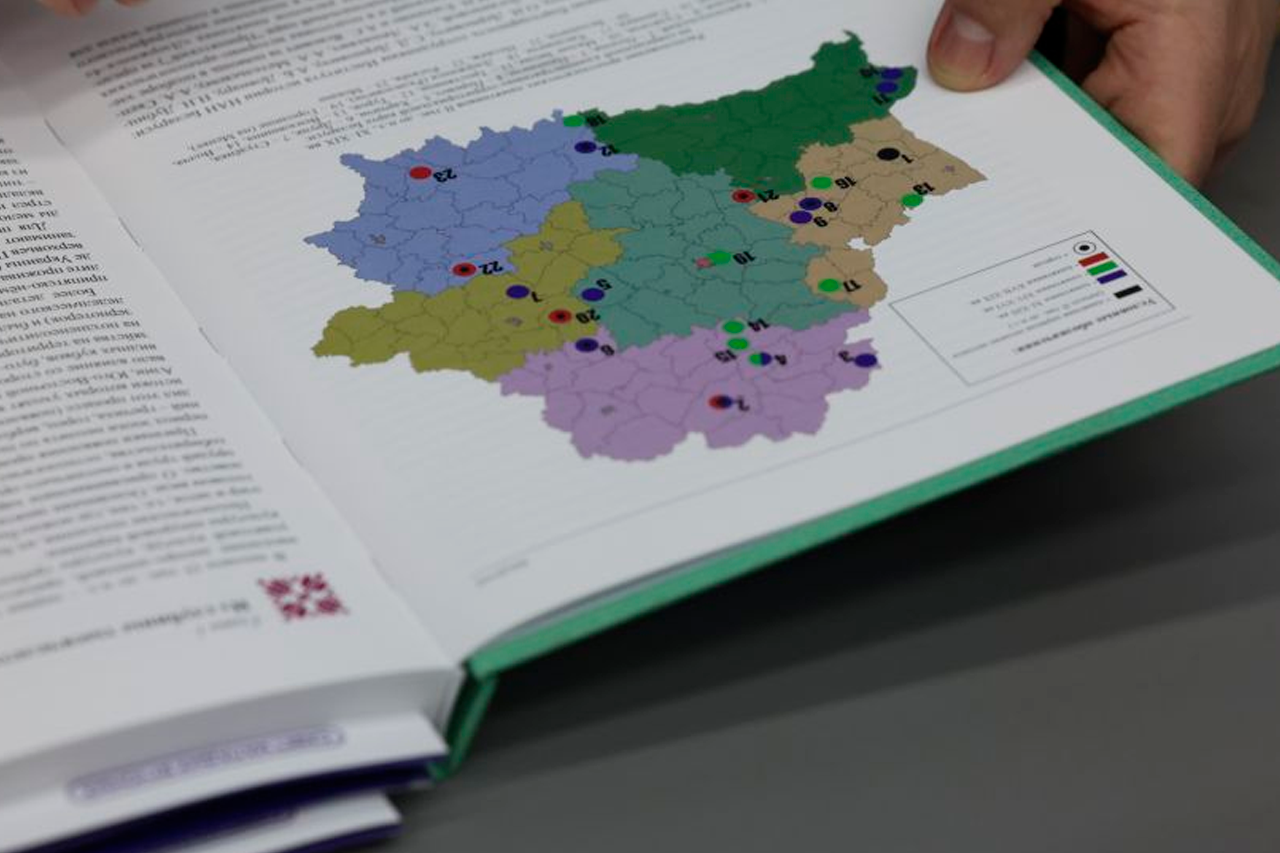
"We conduct research at many sites, including studying such a crucial component as burial complexes. Anthropological materials are identified, providing us with a rich basis for conclusions, and specialized analyses are conducted. It is important for us to understand what our distant ancestors looked like in different historical periods: from the Stone Age to the late Middle Ages and the early modern period. In this book, 26 people from 23 locations across Belarus and from various historical periods are presented before us in reconstructed images. Science allows us to reconstruct appearances from skeletal remains and skulls," said Vadim Lakiza, Director of the Institute of History of the National Academy of Sciences of Belarus.
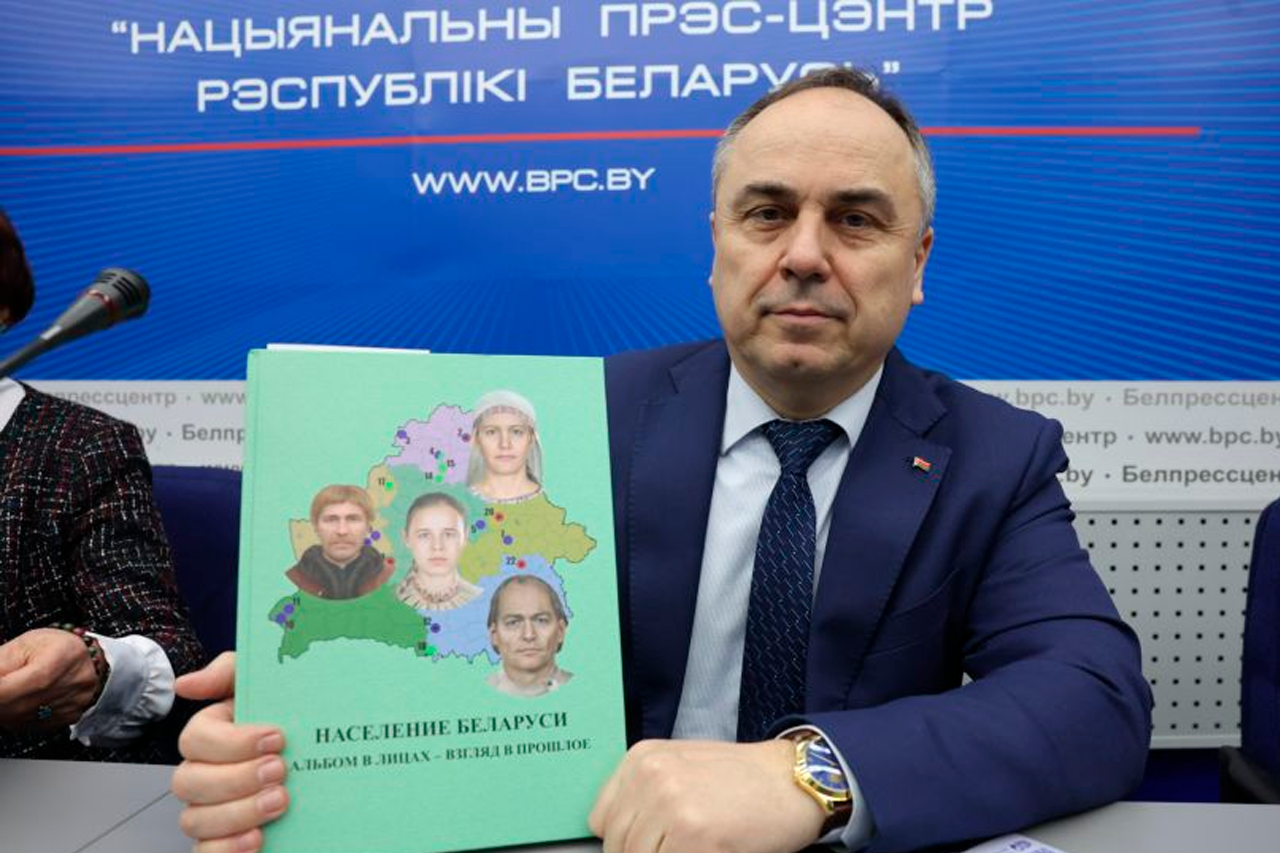
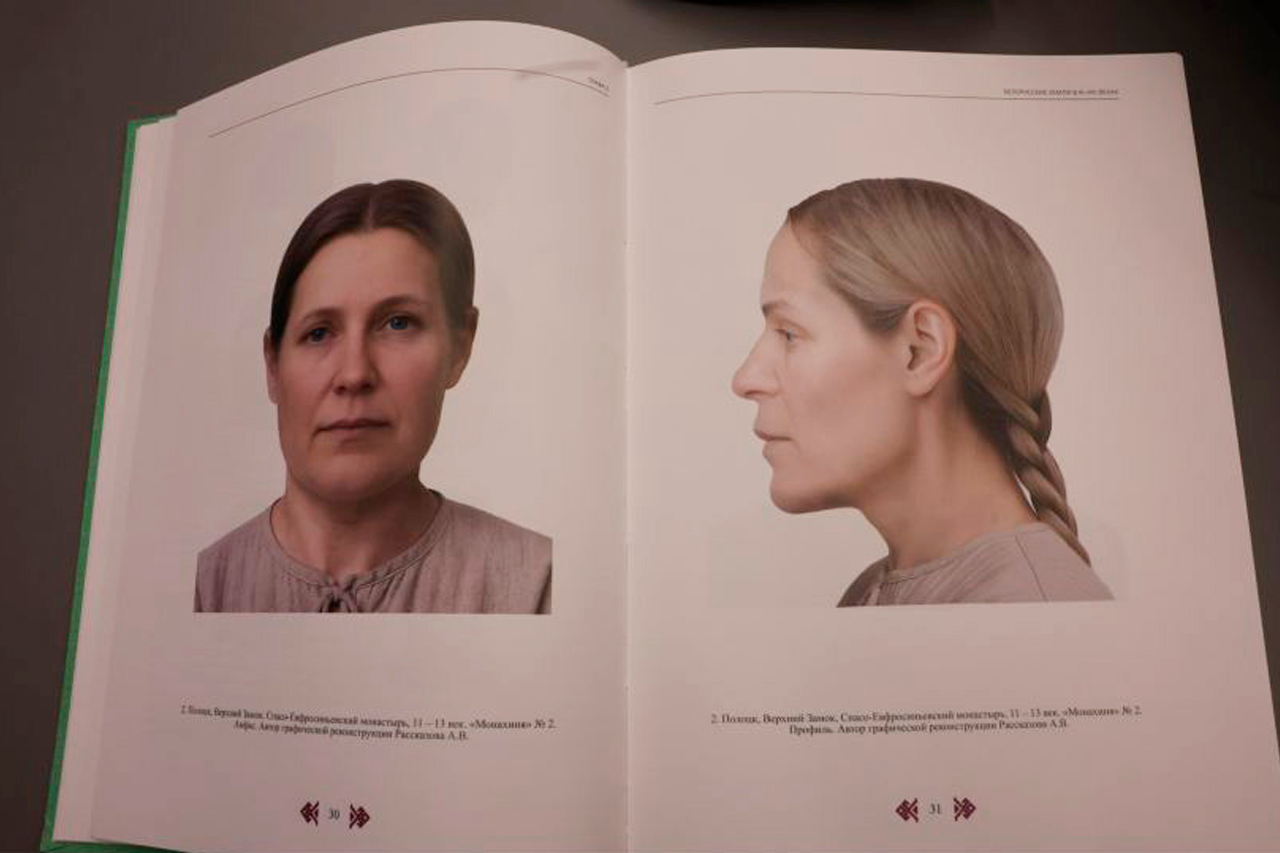
Such materials can be used in any field: education, culture, and tourism. "For example, in the Volkovysk district, there is a unique site included in the concept of national archaeological projects and associated with the oldest surviving skull and bone material of a miner (4,500 years old). The sculptor previously made a bust of this miner, and now, using new data, a reconstruction of his appearance has been made. And when we discussed the possibility of converting this archaeological complex into a museum, I showed what this ancient miner, who worked in the Krasnoselsky flint mines, looked like," the institute's director noted.
The appearance of a villager from the Stviga-Ubort interfluve of the Pripyat Polesie (Lelchitsy district, Gomel region), a resident of the settlement of Gorodishche on the Menka River (Minsk district), and villagers from the upper reaches of the Berezina (Dokshitsy district, Vitebsk region) have also been reconstructed.
In the Dyatlovsky District, there's a fascinating complex—a fortified settlement that began functioning around the end of the Bronze Age. Several years ago, modern research was conducted there. A 13th-14th-century ground burial site containing well-preserved bone material and artifacts was discovered. The appearance of a female villager was reconstructed.
Research was also conducted at the Christian cemetery in Belynichi, which functioned from the turn of the 16th and 17th centuries until the 19th century. "Unique materials were obtained there. The appearance of Belynichi residents—men and women buried in this cemetery—has been reconstructed. Modern methods allow us to imagine what their clothing looked like," said Vadim Lakiza.
The two-year project combines archaeology (finds from 23 sites across Belarus), anthropology and genetics (DNA analysis, dental structure, and skeletal remains), radiocarbon dating for precise age determination, digital technology and elements of artificial intelligence for facial reconstruction, as well as the talent of art restorers and sculptors.
"Work has begun on adding new material and preparing for a reprint of this book. We also want to publish smaller books—popular science publications about the population of the Grodno region, the Vitebsk region, and so on. We'll consider how to approach this so that the books are engaging and rich, tied to specific historical dates," concluded the institute's director.


