


Every third crime is cybercrime: The Ministry of Internal Affairs outlined the main fraud schemes and how to work with banks.
17:00, 3 February

Photo: Soyuz.by
In 2025, the number of cybercrimes in Belarus decreased by almost 6%. This was announced by Alexander Ringevich, Deputy Head of the Main Directorate for Combating Cybercrime at the Ministry of Internal Affairs. Despite the overall decline, the share of digital crimes in the overall structure continues to grow and now stands at almost 30%. More than 96% of such incidents involve theft of funds or personal information, reports a Soyuz.by correspondent.
- Share on Facebook
- Share on VK
- Share on Twitter
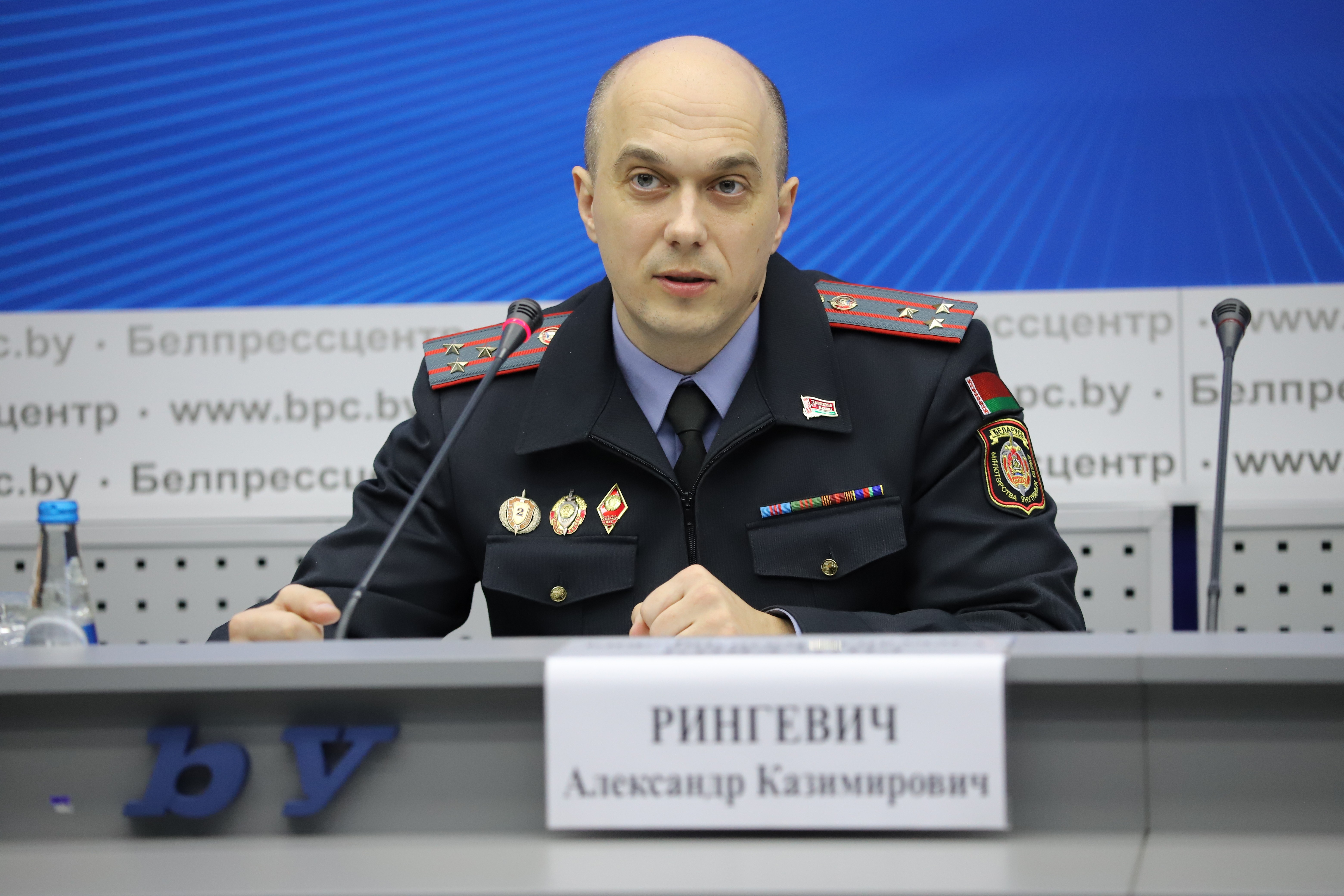
As Alexander Ringevich noted, law enforcement agencies are constantly conducting outreach efforts, but criminals are changing their tactics. "Crimes have become multi-layered. Whereas previously people would receive a single call, now they're playing out a scenario involving several calls," he explained. One in three cybercrimes is committed over the phone under various pretexts.
Law enforcement agencies are particularly concerned about a new, dangerous trend that emerged in the second half of 2025. Fraudsters are deliberately luring children and adolescents into illegal activities. By collecting information about their phone numbers and gaming accounts, the criminals communicate with the minors. Under threat of parental dismissal or expulsion from school, they coerce children into accepting money for delivery to a courier, becoming couriers themselves, or providing their parents' bank card details. To prevent such incidents, the Ministry of Internal Affairs is actively working in schools.
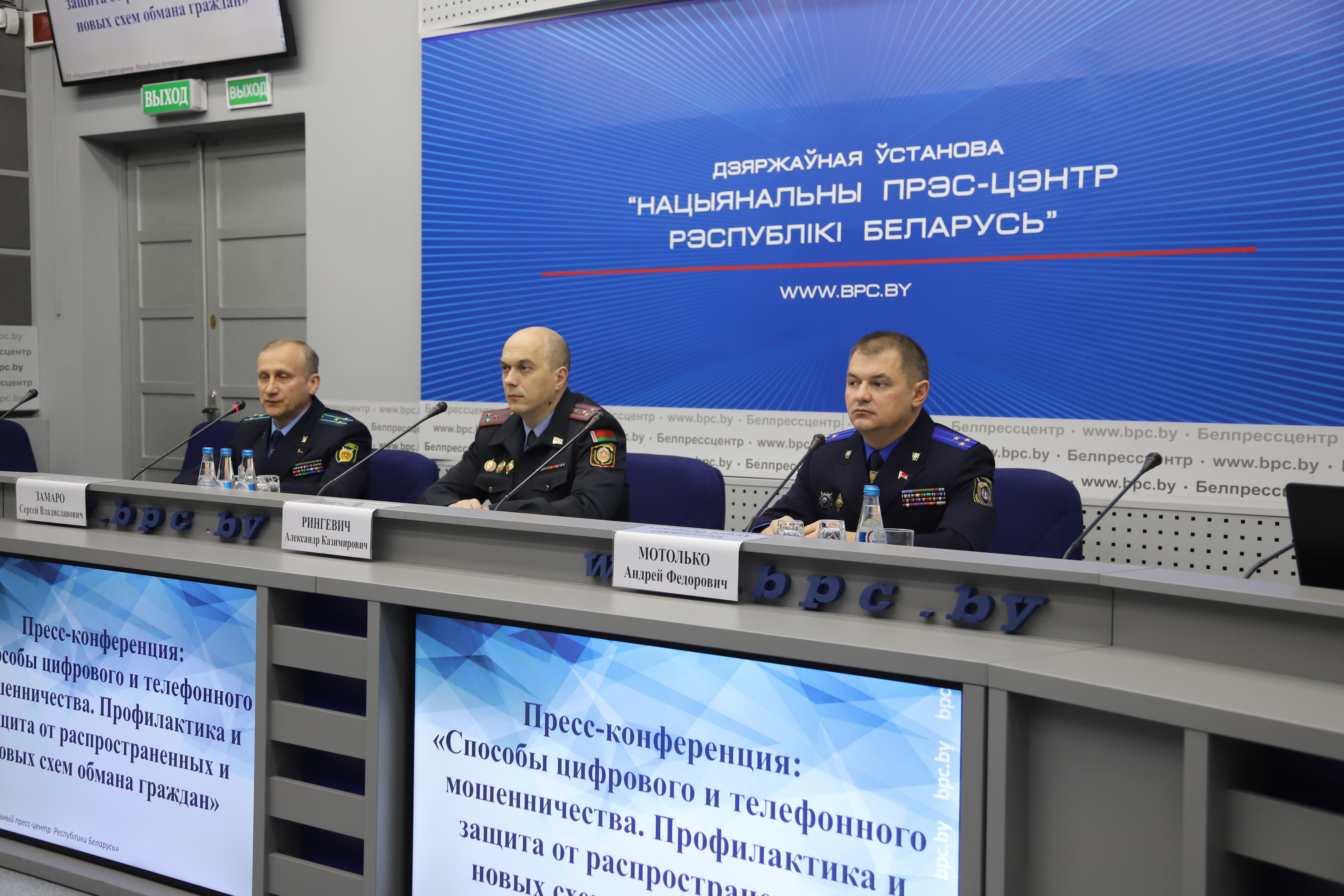
Another common scam that individuals fall for is social media shopping. Around 30% of cybercrimes are related to this sector. People often ignore deliberately low prices and agree to transfer funds directly to a bank card, bypassing secure services. Fraudulent trading on financial exchanges through fraudulent websites also remains a common practice, where individuals are shown a false increase in their "investments" while collecting real funds.
To combat this, the Ministry of Internal Affairs has established a system of cooperation with the banking sector. "This makes it possible to respond almost immediately to reports of cybercrimes and attempt to freeze funds before they have left our country," emphasized Alexander Ringevich. According to the Ministry of Internal Affairs, the average damage from one such crime is approximately 4,000 Belarusian rubles.


