


A look through the centuries: anthropologists of Belarus and Russia have restored the appearance of the medieval population
18:04, 4 February

Photo: Soyuz.by
Today, on February 4, Belarusian scientists presented a new fundamental study "The population of Belarus. The album in person is a look into the past." The work was prepared in close cooperation with Russian colleagues from the Miklukho-Maclay Institute of Ethnology and Anthropology of the Russian Academy of Sciences. Soyuz.by .
The study covers the periods when the territory of modern Belarus was part of different states, from ancient Russian principalities to the Russian Empire. The main focus of scientists is not on political events and changing borders, but on the daily life, health and appearance of the residents themselves.
- Share on Facebook
- Share on VK
- Share on Twitter
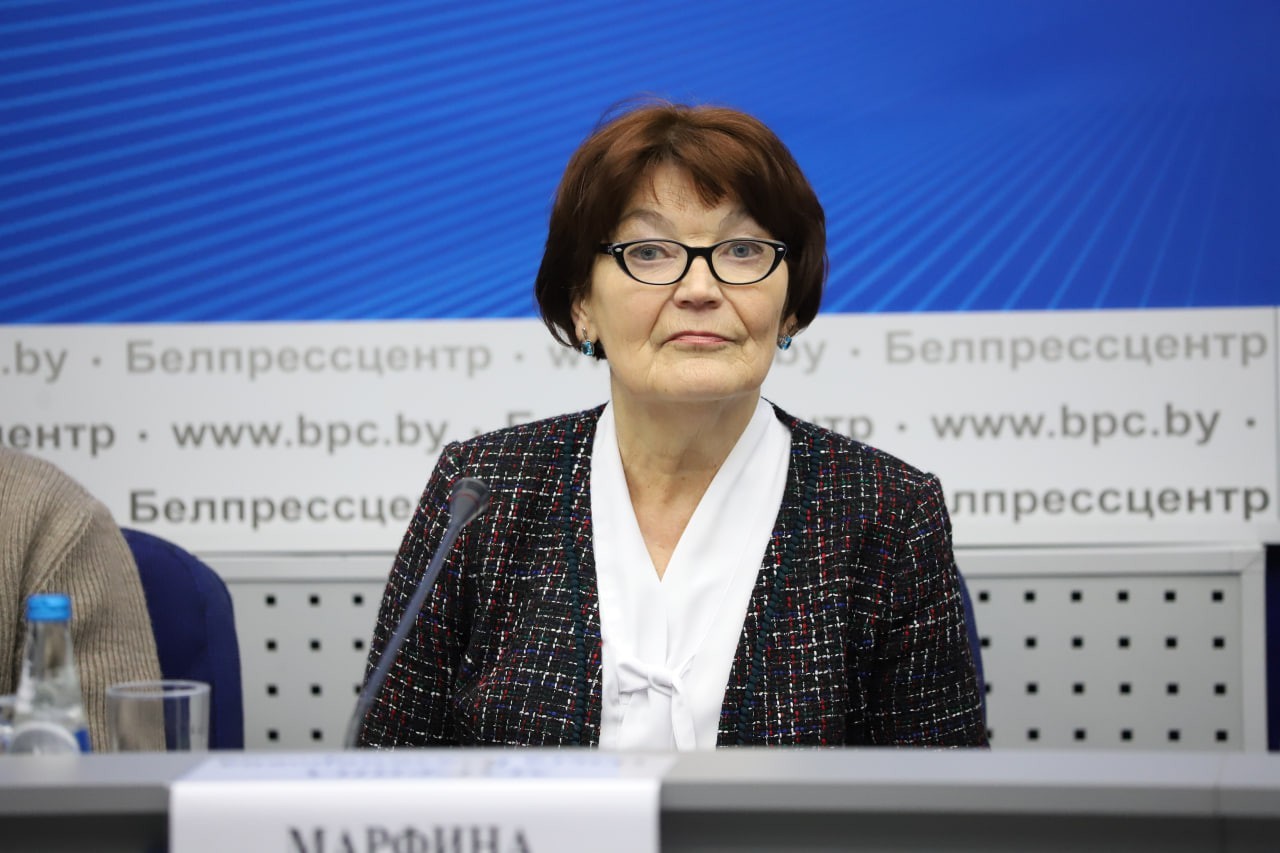
Olga Marfina, Head of the Anthropology Department at the Institute of History of the National Academy of Sciences of Belarus, noted that this publication is a concrete example of strengthening scientific ties within the Union State. "The joint work of scientists from the two countries is a concrete example of strengthening ties.… These ties have never been interrupted," she stressed. The work on the project was carried out jointly with the Center for Physical Anthropology of the Institute of Ethnology and Anthropology of the Russian Academy of Sciences named after N. N. Miklukho-Maklay.
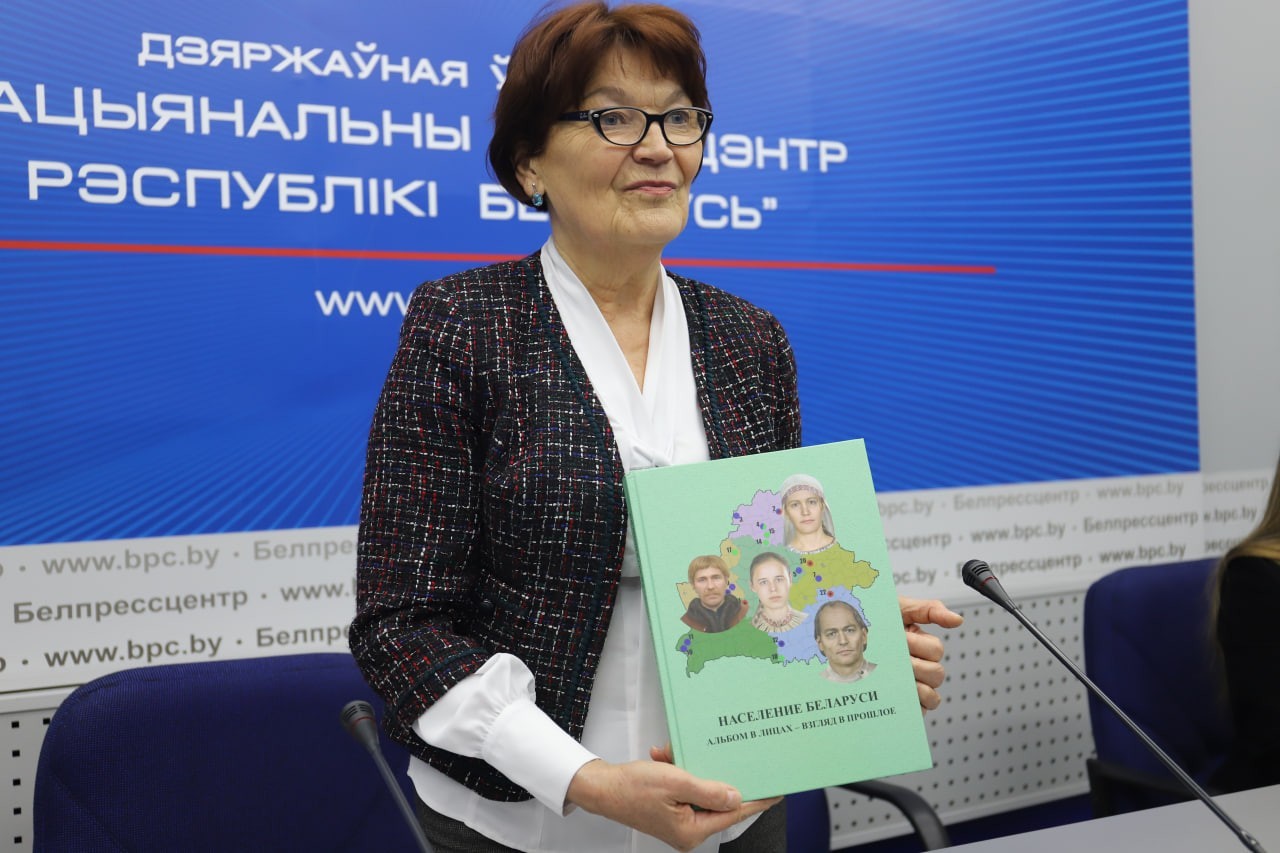
The main feature of the book is the reconstruction of ancestral faces, created using modern technologies, including the use of neural networks and photogrammetry for 3D modeling. The publication covers the period from the end of the tenth to the nineteenth century and, despite its high scientific value, is of interest to a wide range of readers due to its rich illustrative material.
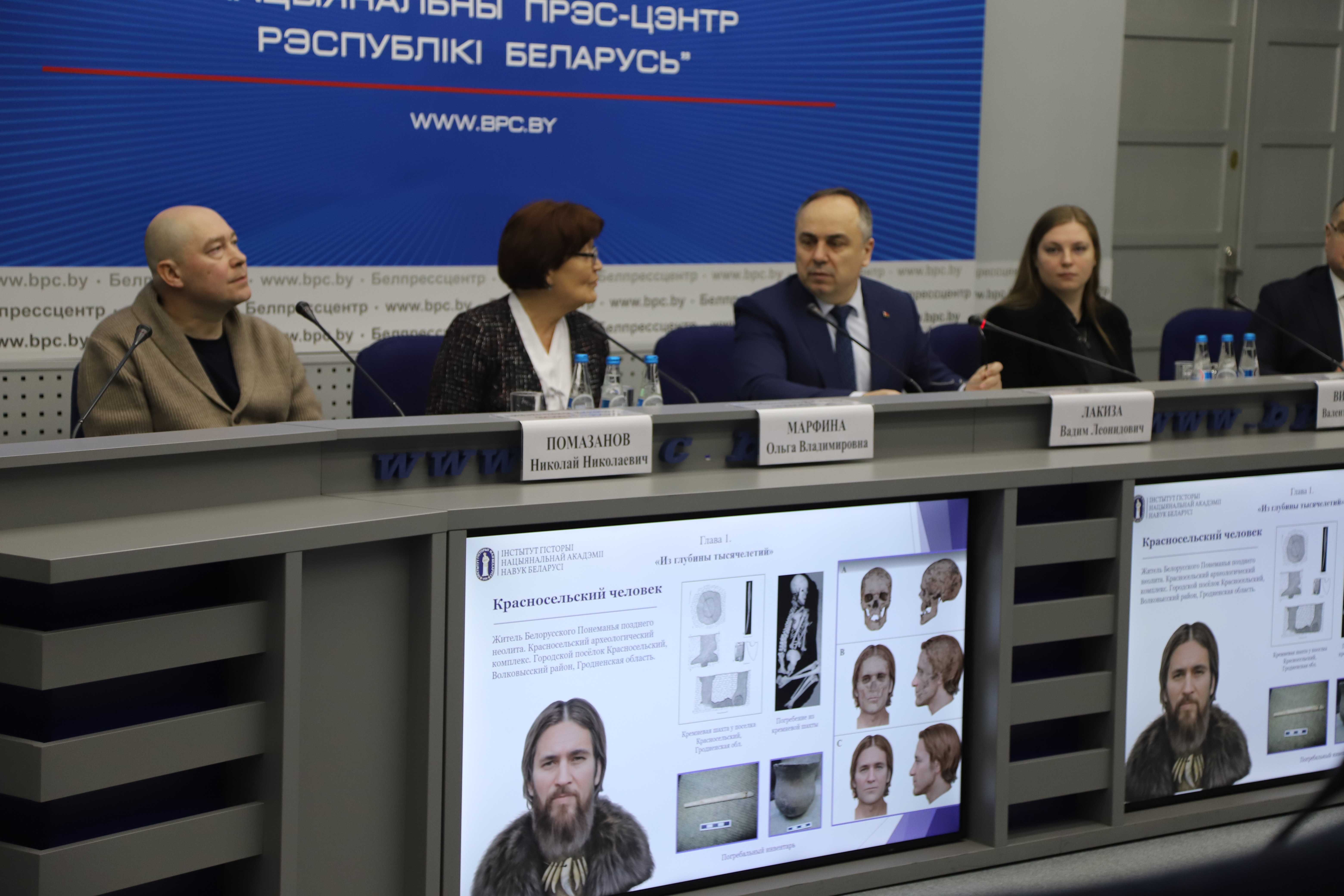
The book is limited in print and will not be available for sale. However, anyone can get acquainted with the unique work of the Belarusian-Russian scientific team: the publication is available to readers in the National Library of Belarus and in the Central Scientific Library of the National Academy of Sciences of Belarus.


