


"Young people are very motivated": priorities of university science discussed in Minsk
15:57, 5 November

Photo: Soyuz.by
The National Press Center held a press conference "University Science Today: Priority Areas, Applied Developments, Integration with the Real Sector of the Economy," dedicated to World Science Day, reports a Soyuz.by correspondent.
- Share on Facebook
- Share on VK
- Share on Twitter
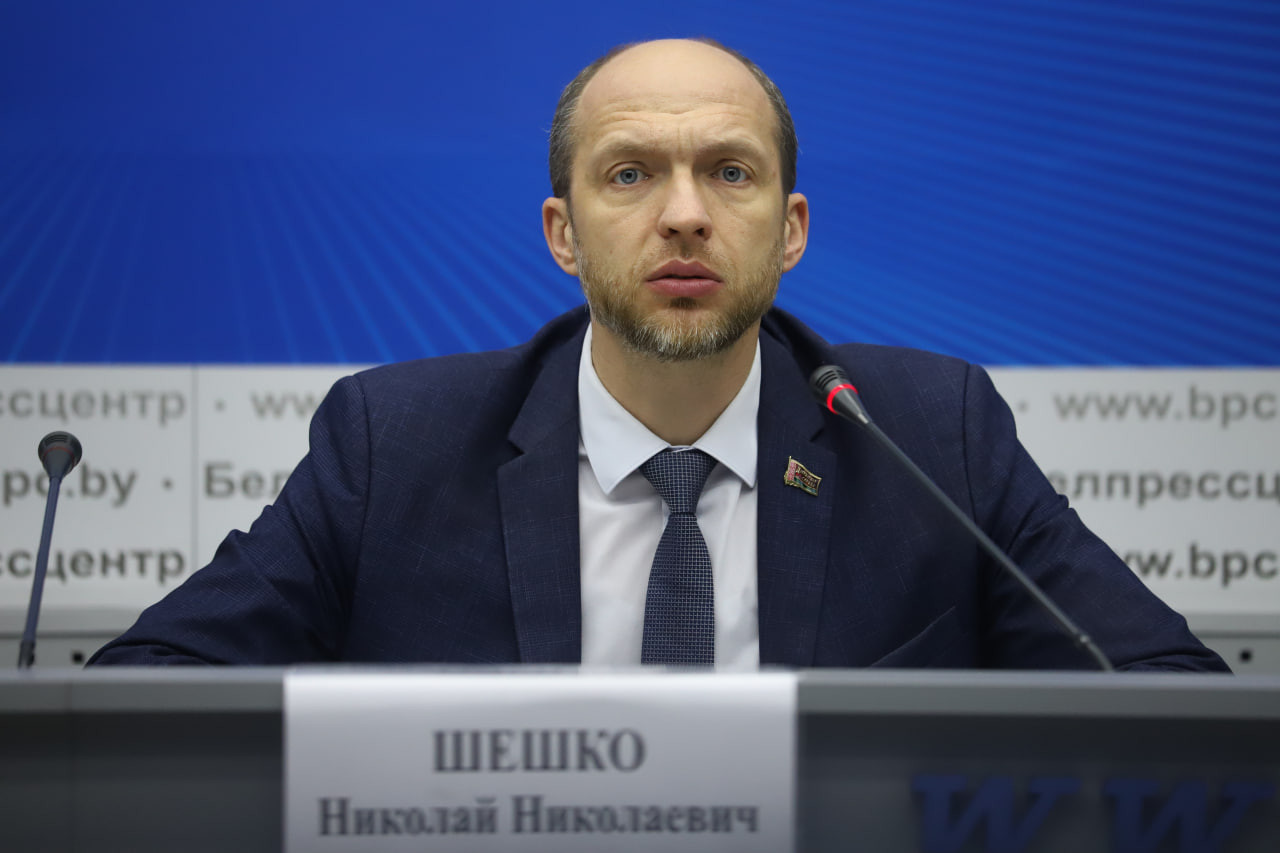
The Head of the Department of Science and Innovation Activity of the Ministry of Education of the Republic of Belarus, Nikolai Sheshko, noted that the country's universities are represented across the entire range of scientific fields - from medicine and engineering to fundamental research in physics and applied developments for the real sector of the economy.
"Research areas are primarily linked to the tasks that the state economy sets for us. These are the development of the most promising areas in import substitution, the formation of local production facilities to develop the export potential of the Republic of Belarus. And, of course, the widespread use of modern technologies in the field of intelligent tools, the introduction of quality control mechanisms using artificial intelligence - in medicine, industry, construction, for example, in the inspection of structures,"- he said.
Sheshko named the youth scientific movement, carried out with the support of the Ministry of Education and the Council of Young Scientists, as an important aspect of university science activity. According to him, this is an important mechanism, a kind of bridge between the already established generation of science and the emerging one, which will provide the country with new developments and discoveries.
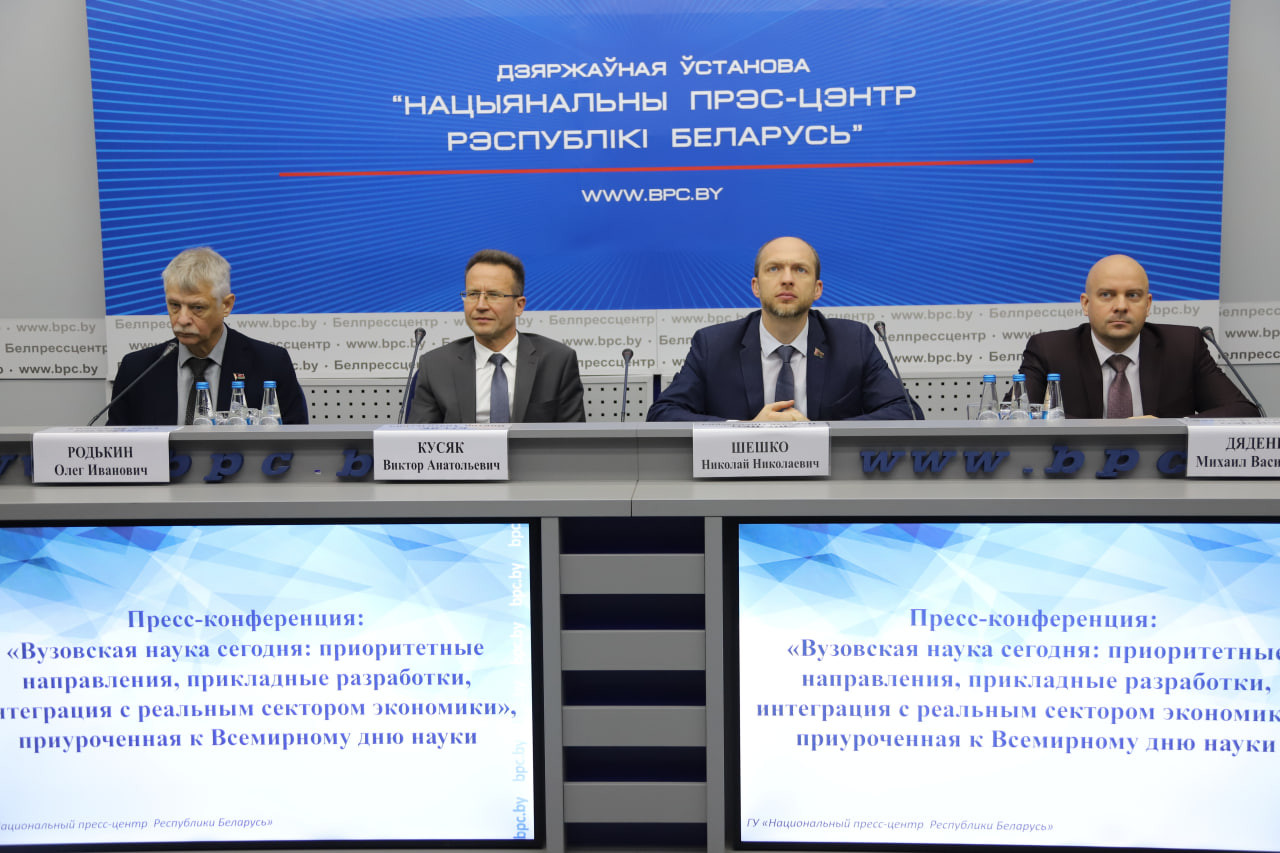
Answering a question about the involvement of young people in science, the representative of the Ministry of Education emphasized that young people are very interested. "The expansion of the information flow, the increase in the volume of incoming information through various sources - messengers, TV channels, streams - means that young people absorb it more intensively and are maximally involved in the innovation process and the application of new tools. Often established fundamental science in some cases cannot keep up, and here the participation of young people is very important. They are very motivated," he noted.
Sheshko named the National Children's Technopark - a platform for developing the competencies and ideas of young researchers - as an important tool in this direction. "These do not necessarily have to be purely fundamental discoveries. The research process itself is important, when you have set a small task for yourself. For him, it seems like a huge solution at the level of a world discovery. This small step will subsequently help preserve youthful enthusiasm and look at understandable things from a completely different angle, which will allow new innovative breakthrough ideas to take shape," he explained.


