Krutoi: ‘Every Third’ requiem concert uses art to speak to younger generation
09:30, 9 September

photo: BelTA
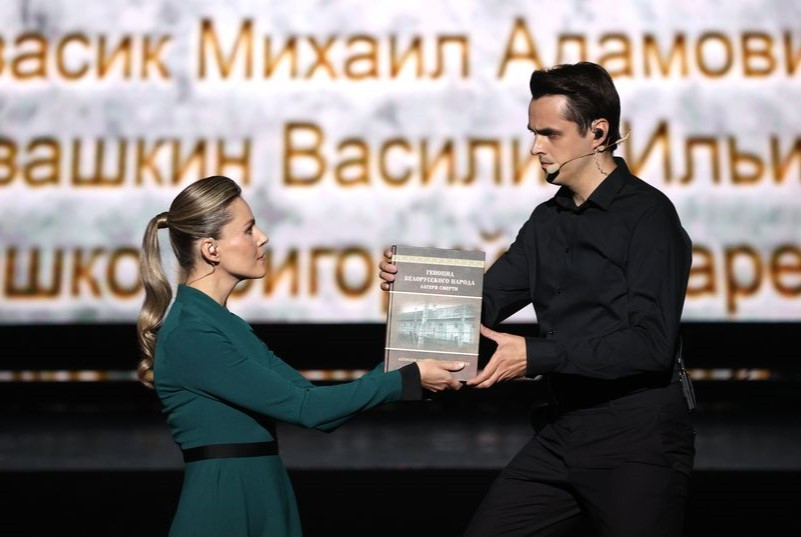
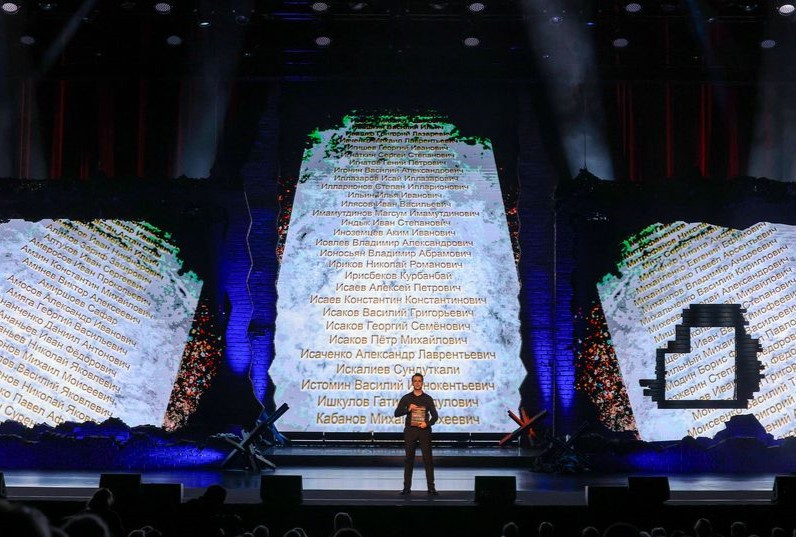
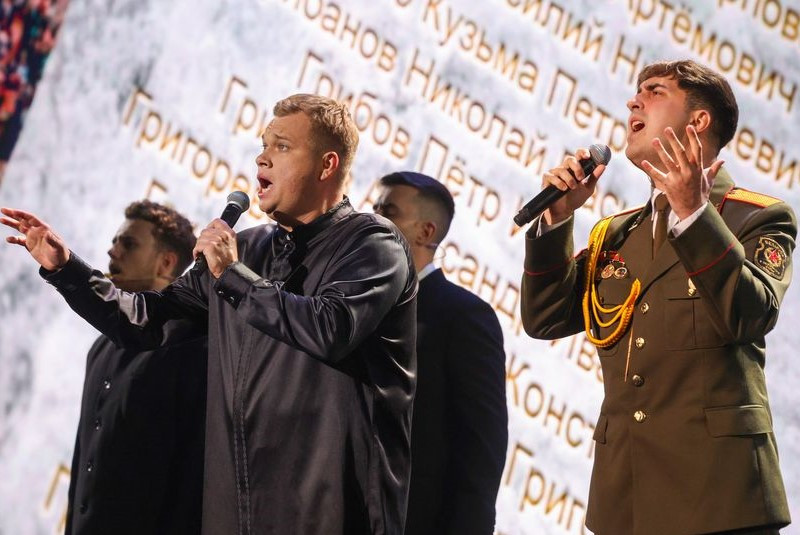
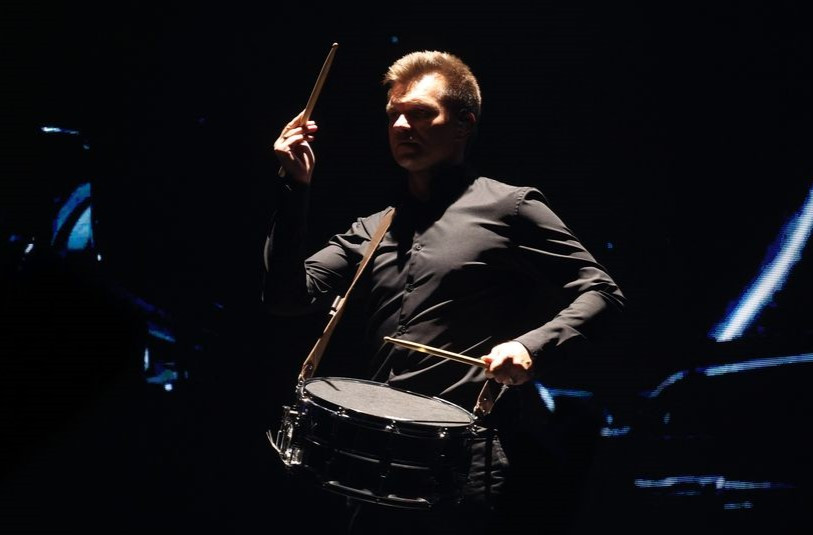
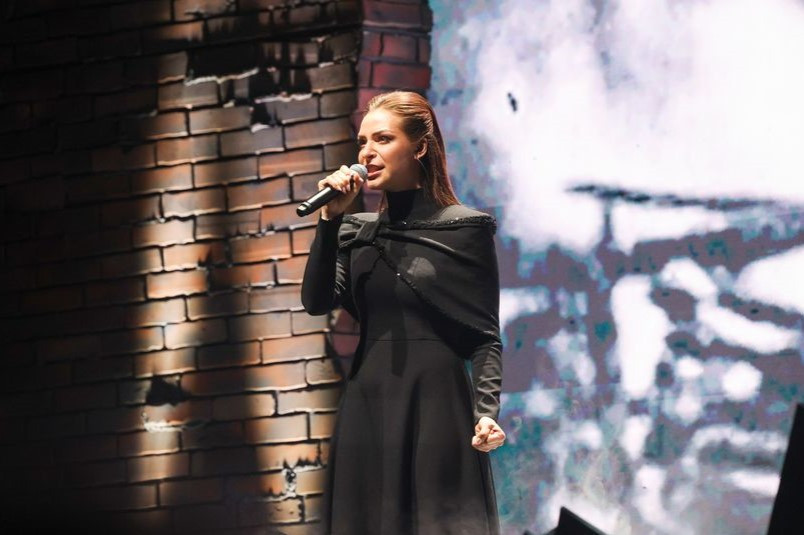
The requiem concert Every Third is a project designed to reach the hearts of young people, Head of the Belarus President Administration Dmitry Krutoi said before the performance, BelTA has learned.
- Share on Facebook
- Share on VK
- Share on Twitter
“The requiem concert is a unique project aimed at young people. In Belarus, we are also looking for ways to reach the hearts of young people through less than conventional and standard means, combining theater, music, and unique photo and video materials. I hope you will enjoy it, and I would like to invite you to Belarus. Come and see for yourselves how our country treats historical memory and the legacy of the Great Patriotic War,” Dmitry Krutoi said.
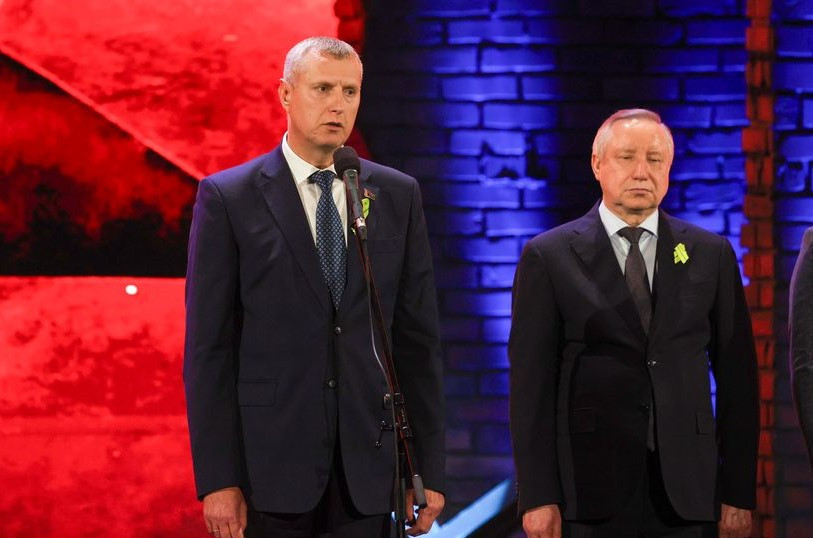
He conveyed the warmest and most sincere greetings from Aleksandr Lukashenko to the people of St. Petersburg, stressing that the Belarusian president has great affection for the city and its residents. Dmitry Krutoi said he had visited the Piskaryovskoye Cemetery in the morning and experienced particularly strong emotions on the 85th anniversary of the beginning of the siege of Leningrad.
“With his inhumane order, Hitler denied Leningrad the right to exist and ordered its complete destruction together with its residents in order to demoralize the Soviet people and inflict a psychological and moral defeat on the Red Army, because, from the German point of view, Leningrad was the cradle of the revolution, a major industrial center, and its destruction could have changed the course of the war. Eight hundred and seventy-two days of an inhumane siege and one and a half million lives -this was the terrible price the city paid, but it did not kneel. There is a profound, symbolic connection here with the tragic events that were unfolding in Belarus at the same time. Our country endured 1,132 days of Nazi occupation and was subjected to the same inhumane plan by Hitler, under which 75% of Belarus’ population was to be completely exterminated, partially evacuated or resettled, while only 25% of Belarusians were to remain as local slaves for the Germans who were to be resettled in our country,” he said.
According to Dmitry Krutoi, the Nazi death machine on Belarusian soil operated virtually without interruption. Numerous death camps and ghettos were established, millions of people were killed, including civilians, and cities and villages were destroyed, many of them suffering the same tragic fate as Khatyn. Half of Belarus’ economy was completely destroyed. The country’s population was restored to its prewar level only in 1972, more than 30 years after the outbreak of the war. The country’s industrial and agricultural potential was restored earlier thanks to assistance from across the Soviet Union.
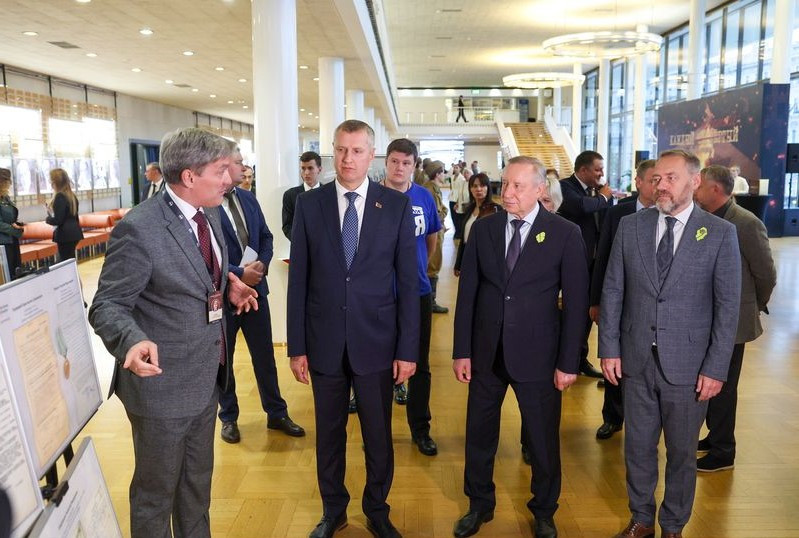
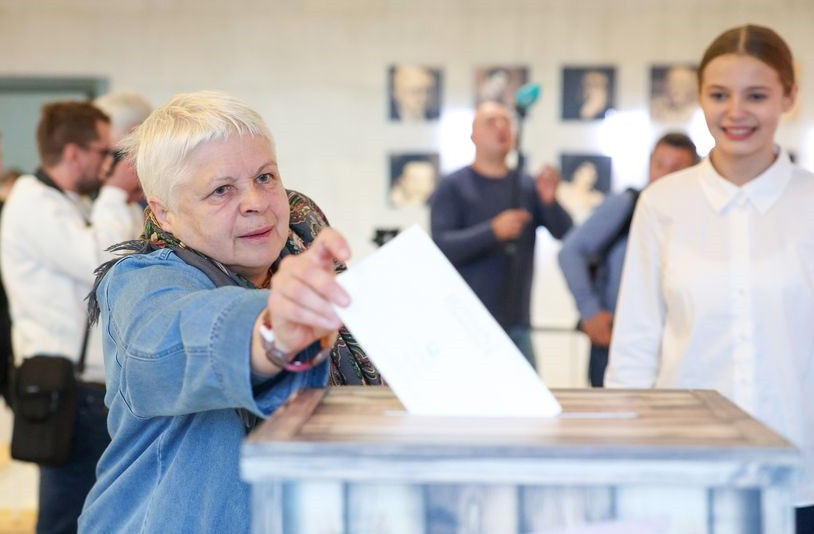
On 8 September 2026, residents of St. Petersburg were able to learn at the exhibition about the scale of the partisan movement in Belarus and examples of the courage and resistance demonstrated by the Belarusian people.
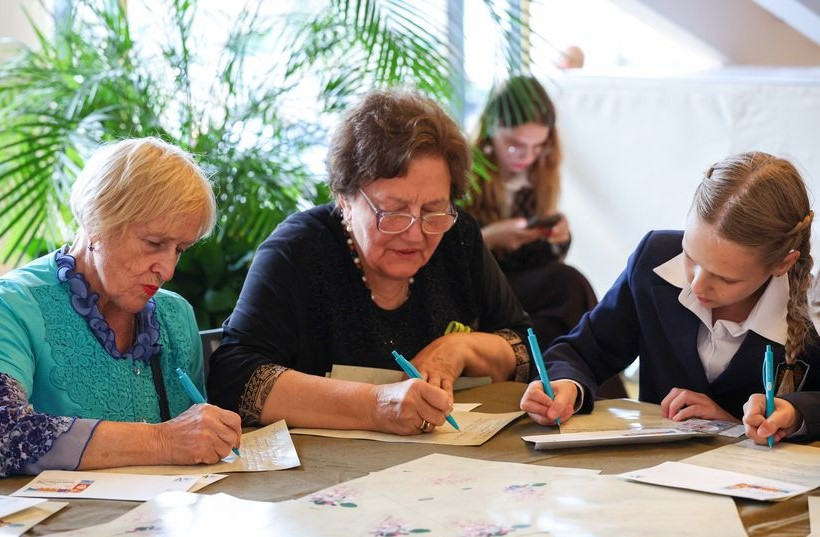
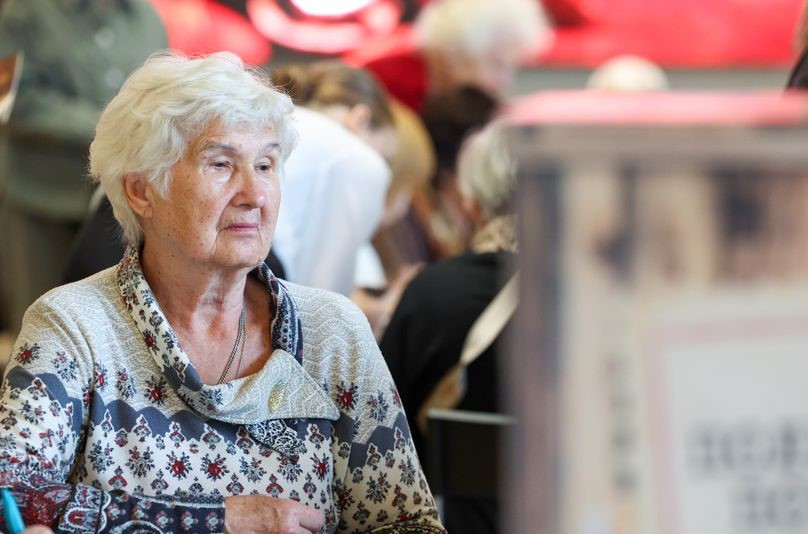
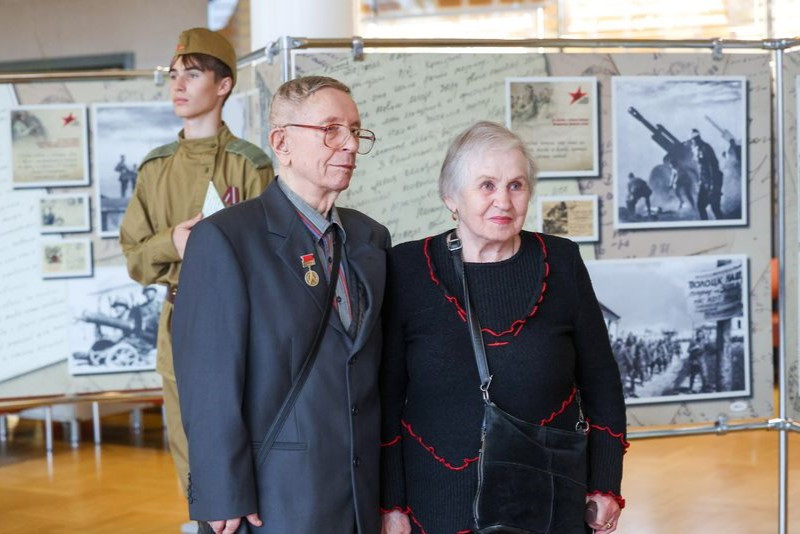
“For us, historical memory is paramount. Just as 8 September is the day when Leningrad’s history was divided into before and after, for us 3 July - the Independence Day of Belarus and the day Minsk was liberated from Nazi invaders - is a date without which our republic would not exist,” Dmitry Krutoi concluded.