


Lukashenko urges Vitebsk Oblast to find its own path to recovery
13:54, 3 February

Photo: BELTA
We will not carry Vitebsk Oblast on our shoulders, Belarusian President Aleksandr Lukashenko said at a meeting to discuss the social and economic development of Vitebsk Oblast, BelTA has learned.
- Поделиться в Facebook
- Поделиться ВКонтакте
- Поделиться в Twitter
The head of state stressed that the region must realistically evaluate its achievements and capabilities and strive for results: “If you think that we will continue to carry Vitebsk Oblast on our shoulders, as well as some enterprises in Mogilev Oblast, Gomel Oblast, Minsk Oblast and others, you are mistaken. If you want to live and work, you need to start pushing forward on your own.”
Aleksandr Lukashenko also urged the new regional leader to deal with the administrative apparatus in Vitebsk Oblast to ensure that there are no dependents: “I'm not saying that you should make a rushed decision. You can't bring people from the moon. There are people who can be persuaded to work there. Figure out who you can work with,” he said.
The head of state emphasized that responsibility for overseeing the situation in Vitebsk Oblast also rests with the leaders of the parliament’s chambers and senior officials, Natalya Kochanova and Igor Sergeyenko. They head the relevant working group, and Igor Sergeyenko additionally serves as the president’s authorized representative in Vitebsk Oblast.
“Walk through Vitebsk Oblast, exercise oversight. Advise the governor, but do not pressure him. I promised him: any pressure will reflect badly on those who apply it. There is a governor there today, we appointed him,” the president said. “Dmitry Nikolaevich [Krutoi, Head of the Presidential Administration] introduced him there. I know the former governor was sent off with loud applause: ‘Ah, such a good man!’”
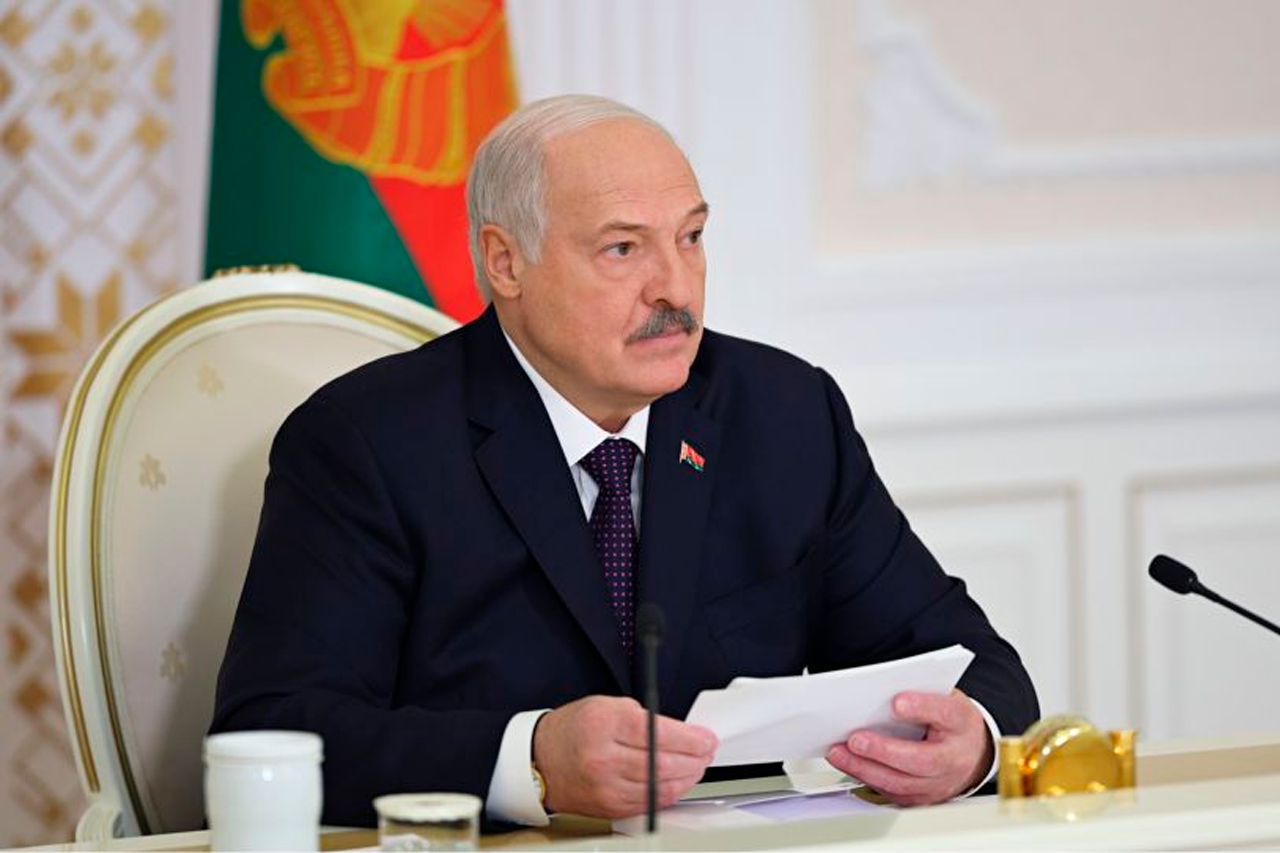
Aleksandr Lukashenko stressed that Aleksandr Subbotin, who until recently headed the region, is indeed a fine person and that it was comfortable for him to work with him, as well as with the deputy prime minister and the minister responsible for agriculture.
The president addressed Deputy Chairman of the Vitebsk Oblast Executive Committee Anzhelika Nikitina: “Ms. Nikitina, for your information, you should understand that being a good person does not necessarily mean being a good professional.” He went on to cite figures: “For your information, Vitebsk Oblast received Br15 billion in state support across all sectors: industry, including Naftan, raw material purchases, agriculture, and more. To prevent financial collapse, Br2 billion were restructured (meaning the president agreed you would not have to repay them). A corresponding decree was issued. You then promised to repay this money over five years according to the schedule. But only Br146 million have been repaid.”
“You can applaud as much as you like, but numbers are unforgiving. It was [Anzhelika] Nikitina who primarily calculated the figures and submitted proposals together with [Aleksandr] Kosinets and [Nikolai] Sherstnev [who also previously headed Vitebsk Oblast]. Then she joined the government, later returned, and I supported that so there would be someone accountable. Please explain to the new governor how it all was. So before celebrating that [Aleksandr] Subbotin supposedly protected the region from Kosinets and Sherstnev… Come on! Neither Kosinets nor Sherstnev are there now. And I remember when Subbotin, upon his appointment, uttered a memorable phrase: ‘This is my land, my people, and it is my honor to raise this region'. And to bring it almost into the forefront.”
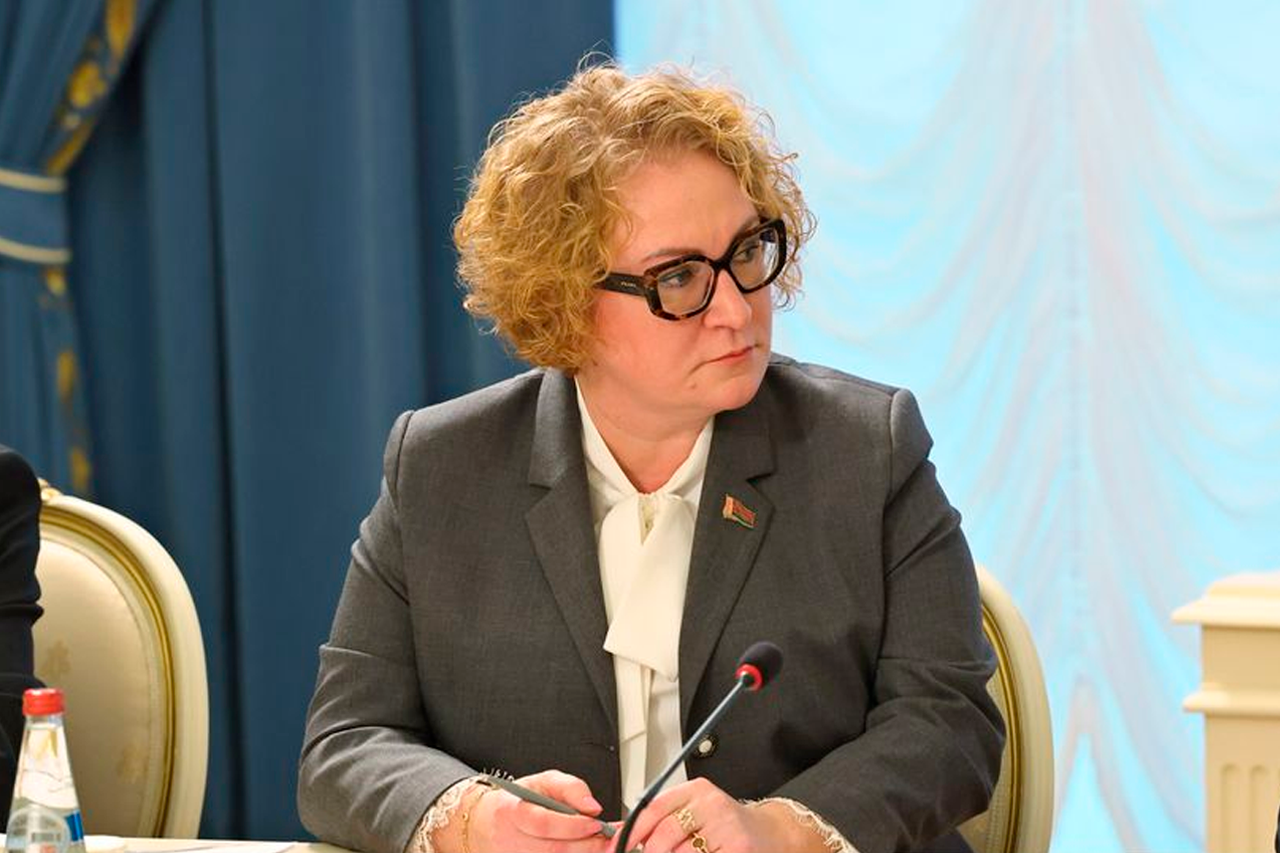
The head of state also presented several other indicators highlighting problems in Vitebsk Oblast, stressing that he does not intend to conceal these facts. “Because when I don’t speak about this publicly, you assume… well, you don’t assume: you know things are bad. But for some reason, locally they think everything is fine. It is not fine,” the president explained.
Aleksandr Lukashenko noted that the government habitually reassures people that “in terms of the main indicators, Vitebsk Oblast shows positive dynamics”. “Investments, salaries, trade… But what are you paying for?” he asked rhetorically. “Let’s evaluate work not by reports, but by concrete results.”
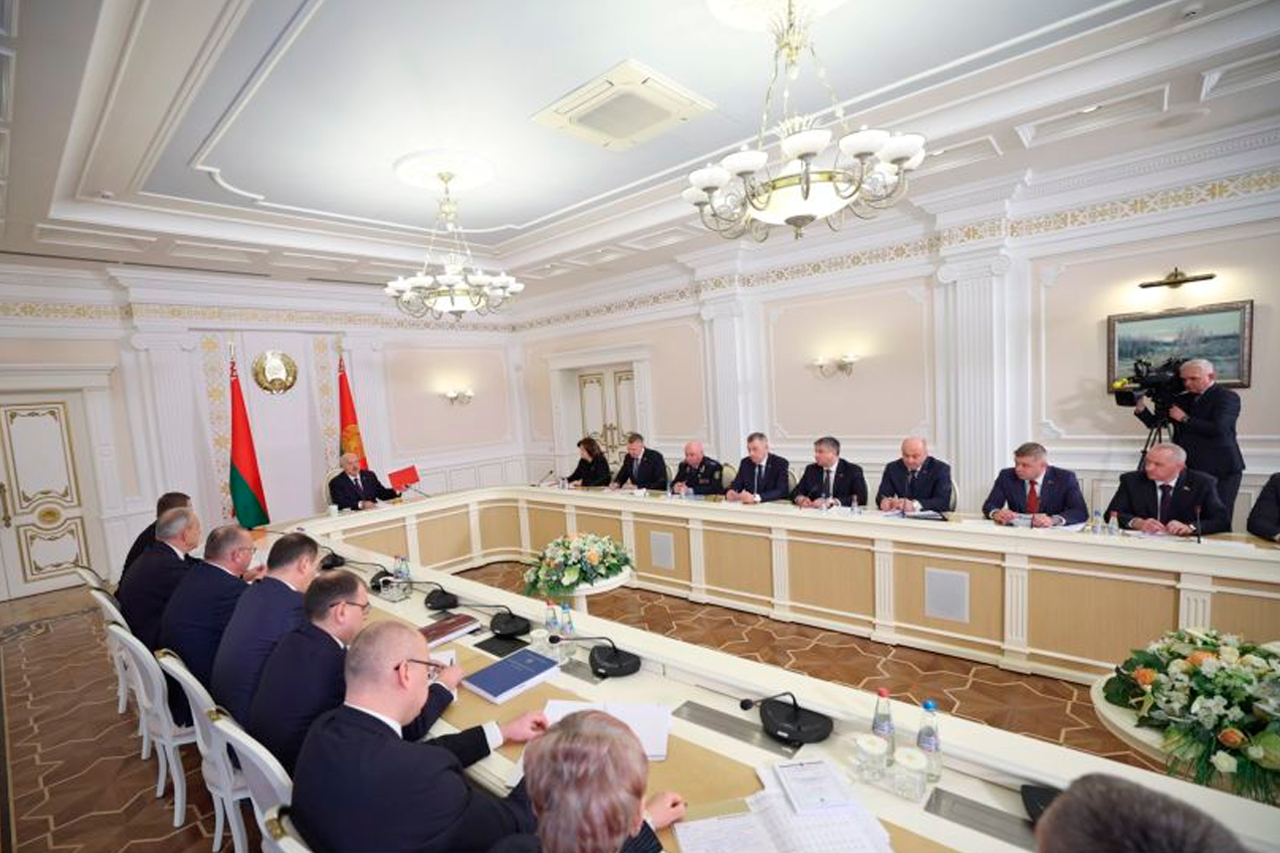
He drew particular attention to the production program, which directly determines growth across all indicators and the stability of the economy: “By year’s end, output volumes declined in almost all industrial sectors, down 4%. In certain areas, such as oil refining and machine‑building, the drop was nearly 20%.”
Exactly a year ago, on 3 February 2025, Vitebskdrev was shut down. “Where will you saw the fallen trees lying on the forest edges? As in the 1930s: one man above, one below, with long saws?” the head of state asked pointedly.
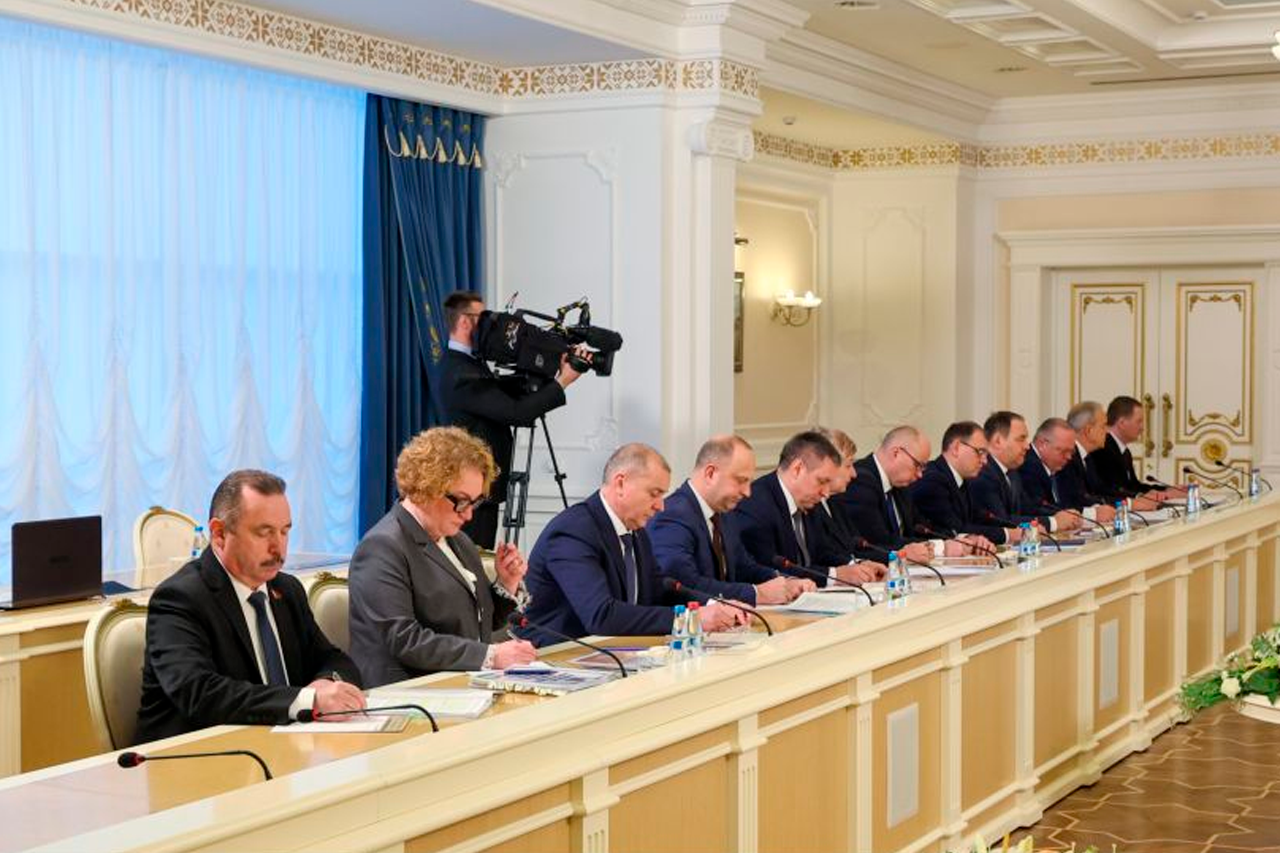
“Exports collapsed to indecent levels: down 1.5 times. This means the country lost almost $2 billion (statistically $1.9 billion). No improvements in agriculture: a decrease by 2.7%. Across the country agriculture grew by 2%. That’s a five‑percent gap. And this compared to last year, which was already a failure. And the year before that was worse still. It’s been downhill. So much for your self‑applause!” Aleksandr Lukashenko listed further negative facts about Vitebsk Oblast’s economy.
He stressed that the decline affected key areas: meat, milk, livestock numbers, and feed supply.
“Unfortunately, against such bleak results, there is no sign of zeal or initiative. Nor is there any sign of improvement,” the Belarusian leader emphasized.


