


Belarus marks Day of People’s Unity
10:06, 17 September

Photo: BELTA
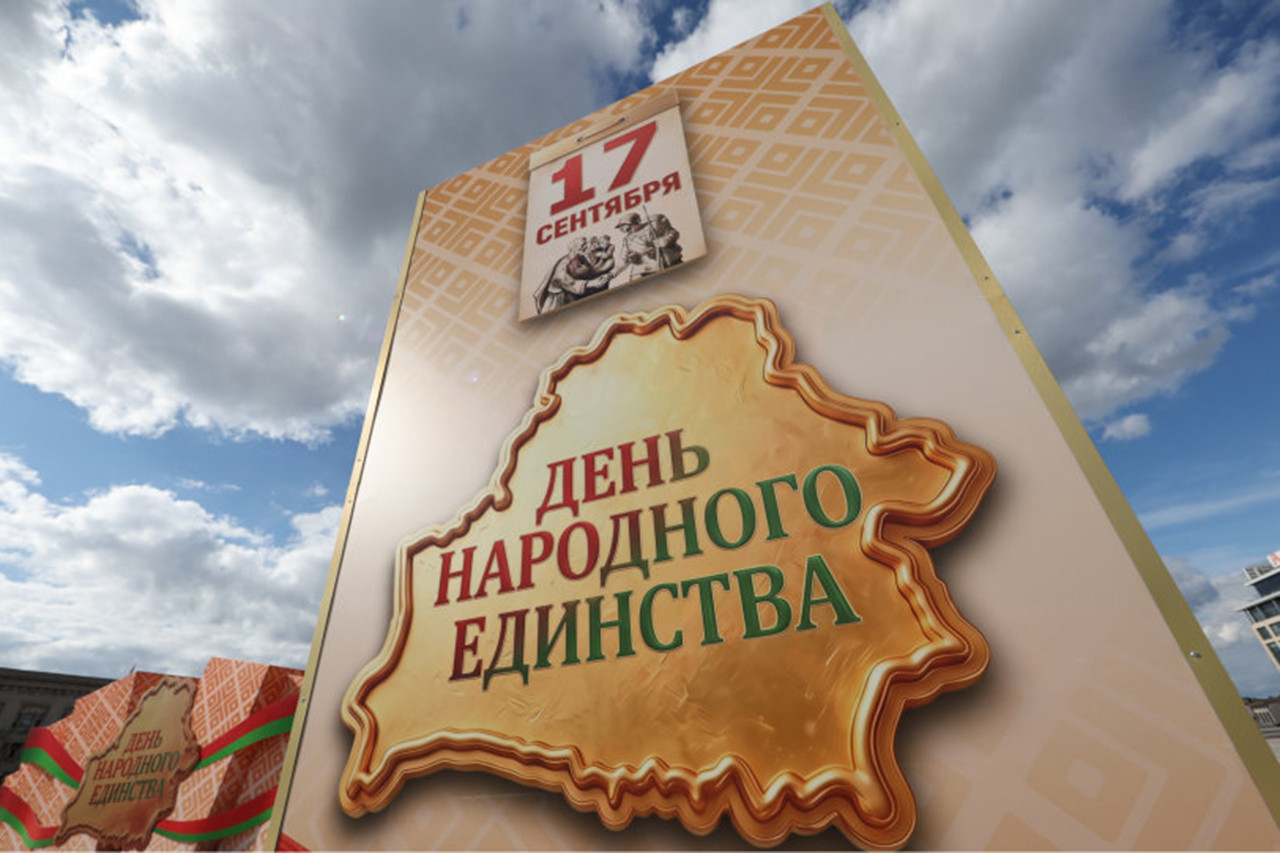
Belarus is celebrating today one of its primary state holidays – Day of People’s Unity. The holiday marks a milestone historical event: the 1939 reunification of Western Belarus and the BSSR. It was on 17 September that the Red Army launched its liberation campaign, restoring to a unified state the territories that had been annexed by Poland under the 1921 Treaty of Riga without the consent of the Belarusian people. Day of People’s Unity serves as a symbol of historical justice and the ethnic consolidation of the Belarusian nation.
- Поделиться в Facebook
- Поделиться ВКонтакте
- Поделиться в Twitter
The idea to establish Day of People’s Unity was first proposed at the highest level in February 2021 during the 6th Belarusian People’s Congress, which was held under the slogan Unity. Development. Independence. By 7 June 2021, the new holiday was officially added to the calendar following a decree by Belarusian President Aleksandr Lukashenko. “The memory of this event lives on in the hearts of Belarusians because it was an act of historical justice for the Belarusian people, who had been divided against their will,” the president said during a meeting with local officials in July 2021. “This is why sovereignty and independence are vital, so that we are never divided against our will again. 17 September symbolizes the inviolability of the territorial and ethnic consolidation of the Belarusian nation,” Aleksandr Lukashenko noted.
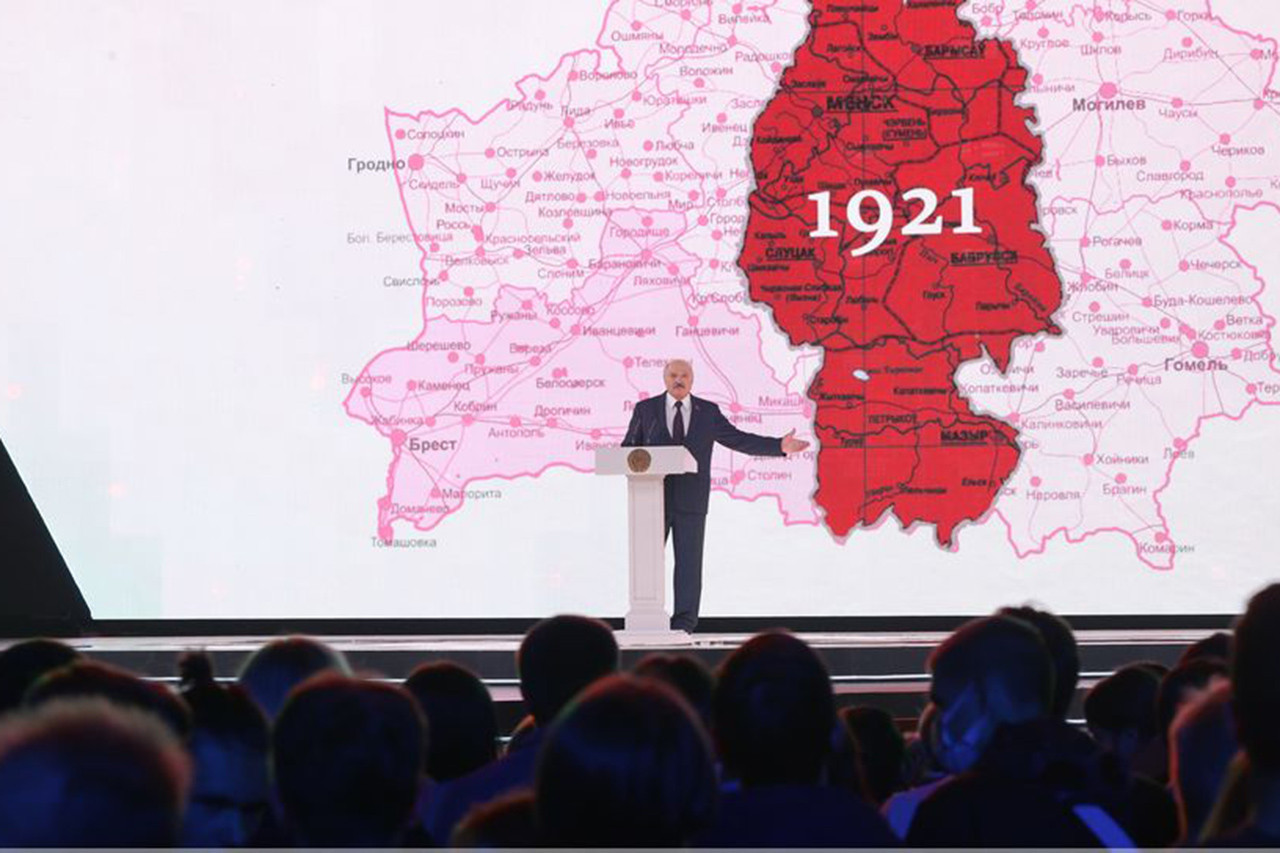
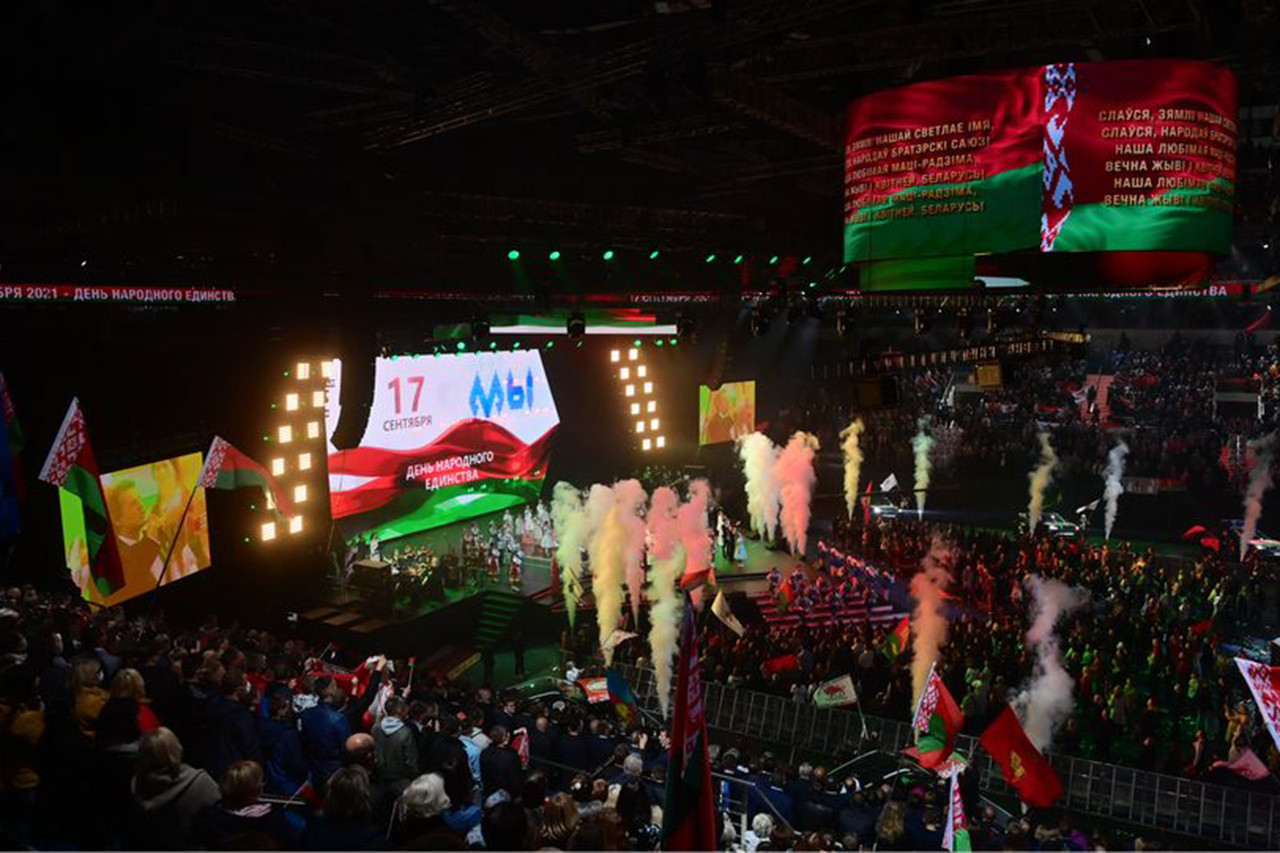
On 17 September 2021, Belarusian President Aleksandr Lukashenko attended the Symbol of Unity patriotic forum, which marked the culmination of the country’s newly established People’s Unity Day
The tragedy of a divided nation and the politics of ethnocide
The Polish-Soviet War of 1919–1921 ended on 18 March 1921, with the signing of the Treaty of Riga, which formalized the partition of Belarusian lands. Under the agreement, the western territories of Belarus were incorporated into Poland.
Stolbtsy, Baranovichi, Brest, Pinsk, Vileika, Novogrudok, Molodechno, and other towns suddenly became foreign territory overnight, with the new state border cutting through some villages. Border checkpoints and barbed wire tore through people’s lives, separating families, relatives, and neighbors. Yet the greatest tragedy lay elsewhere: Western Belarusians faced the threat of disappearing entirely as a nation. Although the Treaty of Riga included a clause obligating the Polish government to respect the interests of national minorities, this ultimately proved to be nothing more than a paper declaration. Throughout the territory of the Kresy Wschodnie, as Western Belarus was called within Poland, the authorities consistently implemented Polonization policies under the slogan “Poland is a state of one nation.”
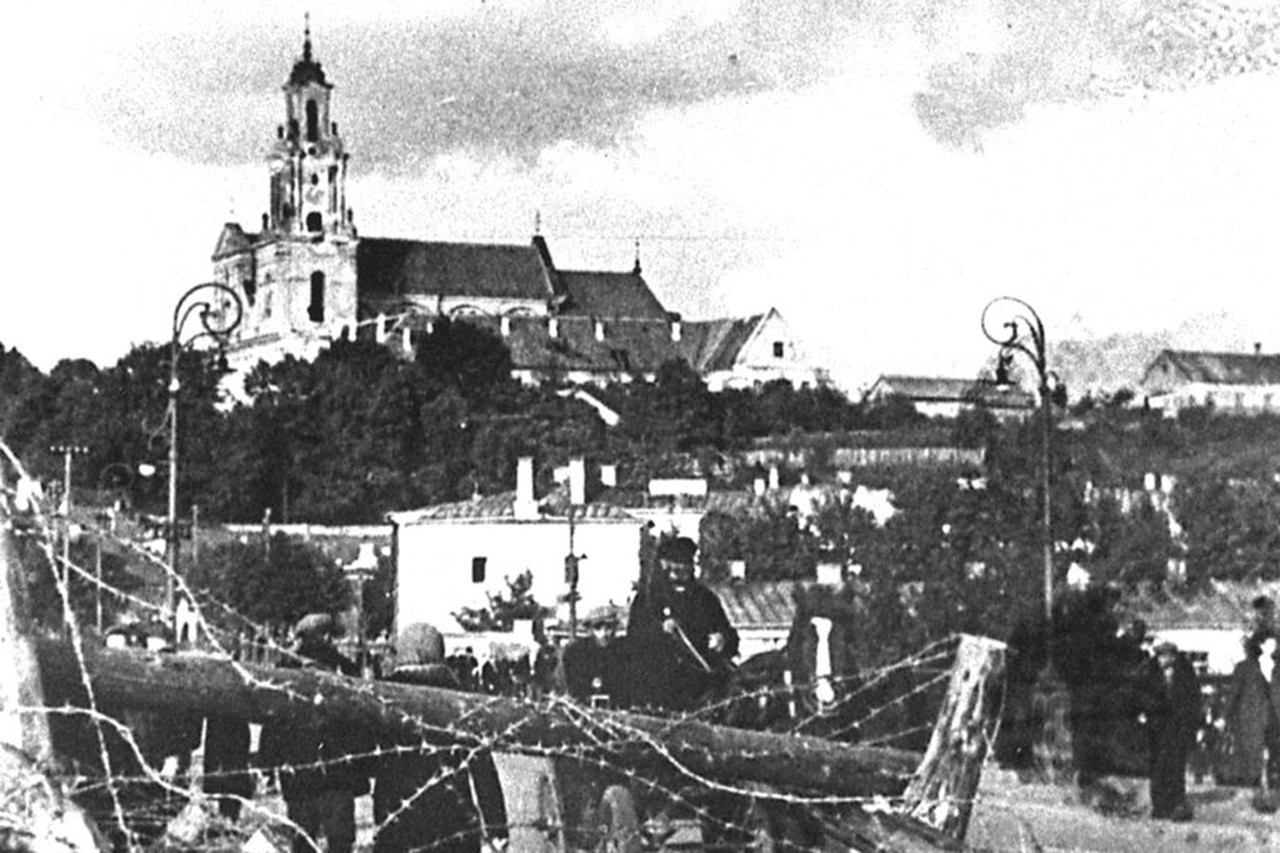
Barbed wire barriers in Grodno, left by the Polish army during its retreat in 1939
The actual attitude of official Warsaw toward Belarusians is best illustrated by the quotes from Polish officials of that era. Polish Justice Minister Aleksander Meysztowicz remarked cynically: “History has destined Belarus to be a bridge for Polish eastward expansion. The Belarusian ethnographic mass must be reshaped into the Polish nation. This is the verdict of history, and we must facilitate it.”
While the condition of Belarusians in Western Belarus under Polish rule could be labeled as occupation or national and social oppression, it was, in fact, a systematic ethnocide of the Belarusian nation.
Western Belarus was a relatively backward agricultural periphery of Poland. The state used the region primarily as a source of raw materials and cheap labor. The working day of industrial workers lasted 10 to 12 hours, with wages significantly lower than in ethnically Polish regions. Many workers were forced to live in cramped, cold barracks or basements with no running water, heating, and electricity, while rent consumed a third of their earnings. More than 80% of the region’s population was engaged in agriculture. Peasants suffered severely from land scarcity and a heavy tax burden.
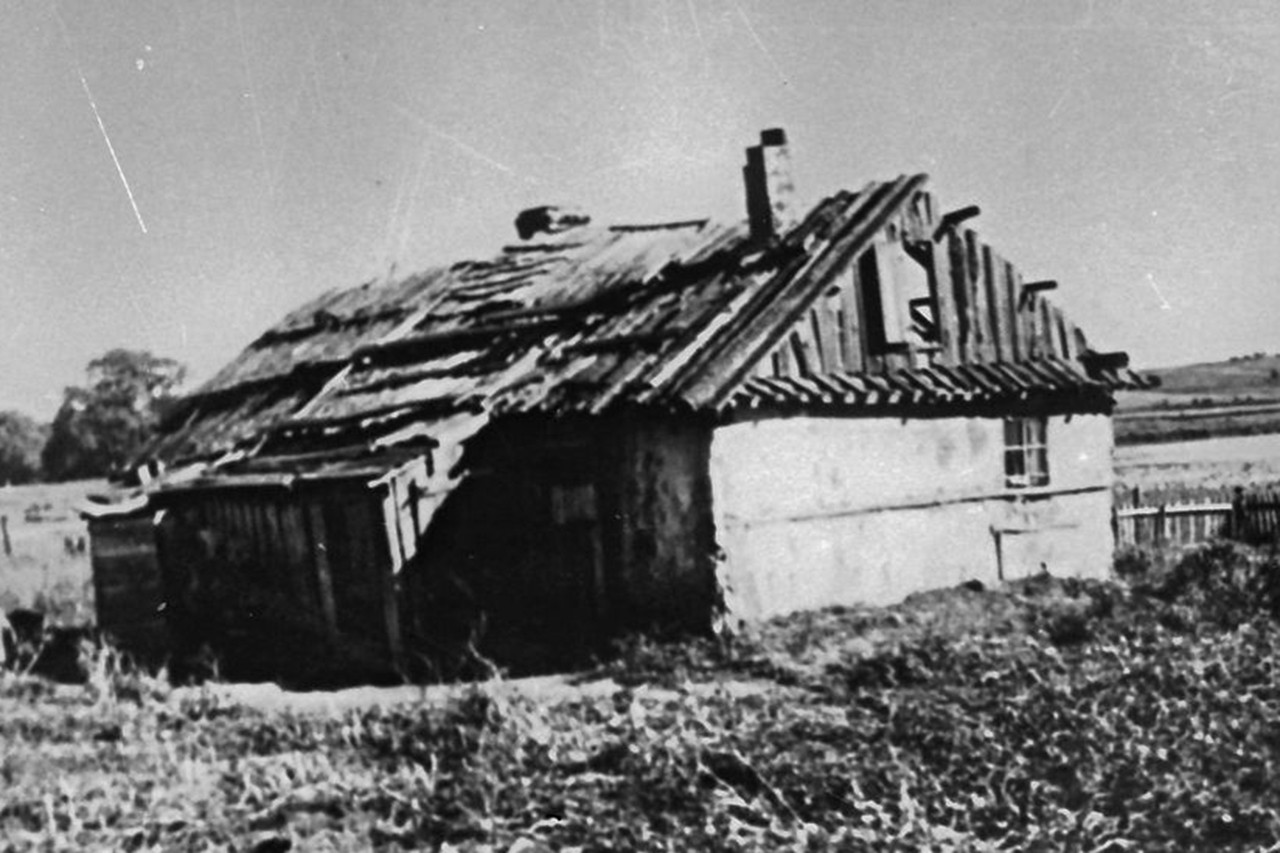
A poor peasant house on the outskirts of Glubokoye, 1939
The Polish authorities banned the use of the Belarusian language in government institutions and outlawed Belarusian schools. By September 1939, they had failed to deliver on their promise of universal primary education. Many parts of Western Belarus, particularly the Polesie region, became known as “schoolless areas.” During the 1938/39 academic year, over 100,000 children in the Western Belarusian lands did not attend school. Out of approximately 400 Belarusian schools that had existed in Western Belarus prior to the Polish occupation, not a single one remained by 1939. Access to higher education and science was virtually closed to Belarusians, with Belarusian students accounting for less than 3% of the student body at Vilna University.
The Belarusian press was heavily persecuted. While more than 20 Belarusian newspapers and magazines were legally published in 1927, only eight remained by the 1930s, all subject to strict censorship. There were no Belarusian theaters or musical institutions in Western Belarus. The authorities fabricated various pretexts to shut down Belarusian publishing houses, libraries, and community reading rooms. Furthermore, Belarusians were barred from holding government offices, joining the military, or entering the police force – effectively being treated as second-class citizens.
Bereza Kartuska concentration camp and filtration camps
The main method of governance of the Polish government was coercion, and often terror. Mass police repression against the population during punitive expeditions to pacify peasant uprisings was a common occurrence. Political trials were frequently held. Prisons were used to isolate “socially dangerous elements”. At the end of 1923, there were 1,300 political prisoners in the prisons of Western Belarus.
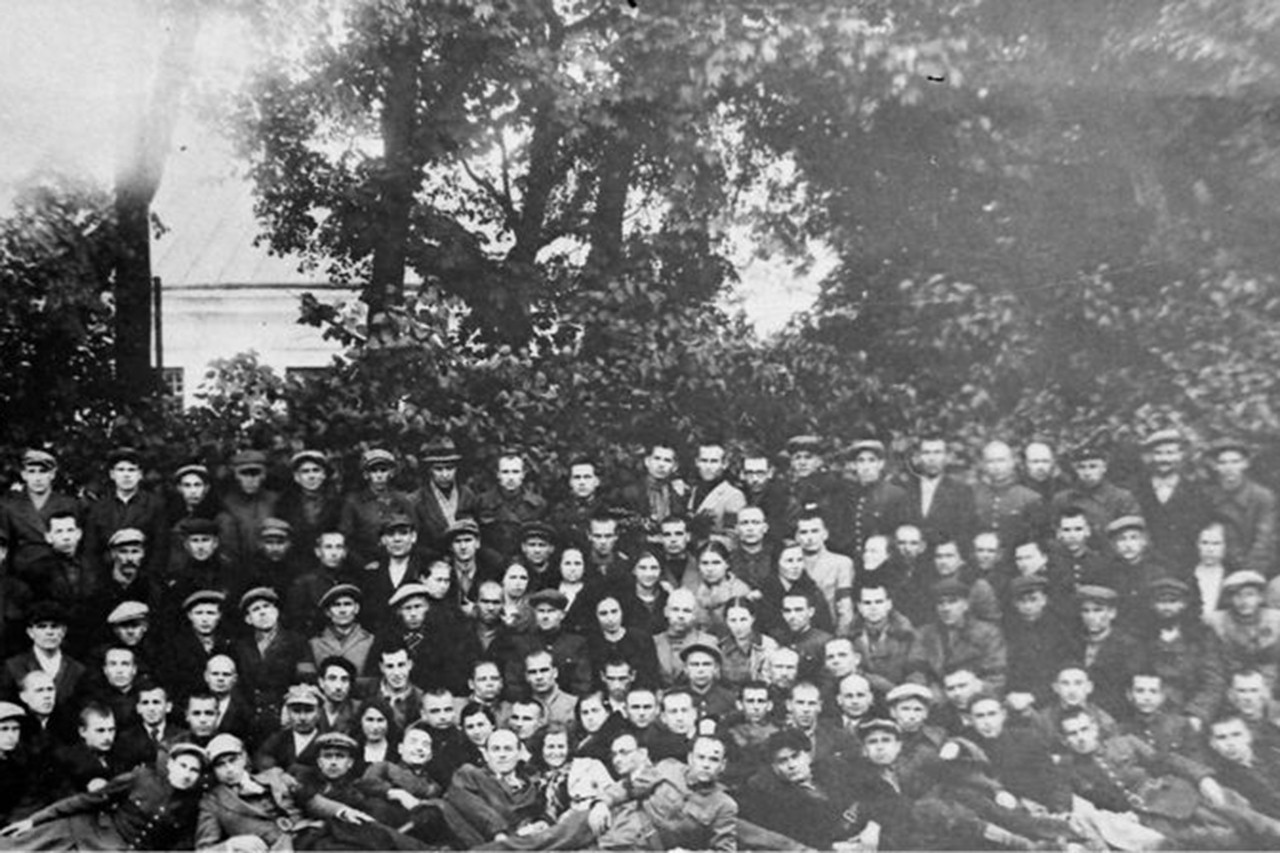
Former political prisoners, liberated after the Red Army entered Western Belarus, 1939
In 1934, the Bereza Kartuska [Bereza Kartuzskaya] concentration camp was established, through which, according to incomplete data, up to 10,000 prisoners passed during its five years of existence. People who expressed disagreement with the Polish authorities were sent there without trial or investigation. The prisoners were mainly people from Western Belarus, Western Ukraine and central Poland. The camp was distinguished by particular cruelty. Prisoners were starved and kept in the cold in dark punishment cells for weeks. Small cells with cement floors held 40 people each. Movement around the camp was only allowed at a run. Police officers often subjected prisoners to various forms of abuse. The main task was to break people psychologically and physically, to erase them as individuals.
Unsubdued “kresy”
The Belarusian people never reconciled themselves to their subjugated position. For 20 years they waged a struggle for social and national liberation, which at different times took various forms but never ceased. Workers’ and peasants’ protests were not infrequent.
In the early 1920s, an active armed partisan movement unfolded on the territory of Western Belarus. Moreover, in the Grodno and Bialystok regions it was led by the party of Belarusian Socialist Revolutionaries, while in Polesie, the Novogrudok and Vilna regions it was headed by communists. The struggle acquired a mass character. According to official data, 878 partisan operations were carried out in 1922, and 503 in 1923. The partisan movement was suppressed by the Polish authorities with great difficulty only in the second half of 1925.
In 1925, the Belarusian Peasants’ and Workers’ Union (Hramada) emerged. Its program contained quite concrete demands. These concerned the self-determination of Western Belarus, its unification with the BSSR, the creation of a peasants’ and workers’ government, the confiscation of landowners’ estates and their transfer into state ownership, and so on. In 1927, there were more than 2,000 primary organizations (around 120,000 people). The Polish authorities’ response to this consolidation was the banning of the Union in 1927 and repression against its leaders.
A great contribution to the national liberation movement was made by the Communist Party of Western Belarus. At the same time, the Polish authorities’ response measures were standard: any popular protests were harshly suppressed by means of punitive expeditions.
Red Army’s liberation campaign and Western Belarus’ incorporation into the BSSR
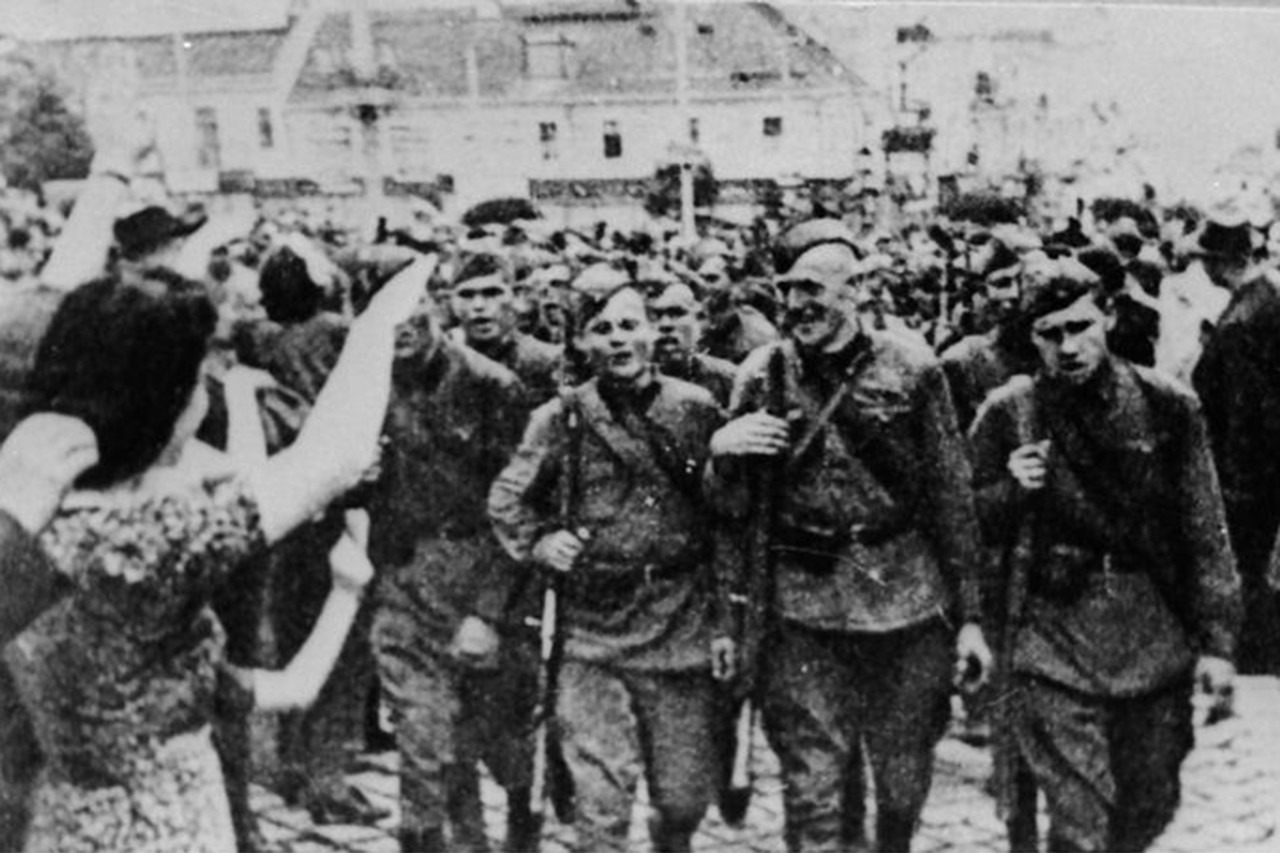
The Red Army liberates Western Belarus, 1939
On 1 September 1939, Hitler’s Germany attacked Poland. World War II began. German divisions crossed the border in several directions and began rapidly advancing deep into the Polish state. Its government and command were unable to organize an effective defense and abandoned the country in the third week of the war.
In mid-September, German troops approached the territory of Western Belarus and Western Ukraine. The German leadership, citing the Non-Aggression Treaty signed on 23 August 1939 in Moscow (the Molotov-Ribbentrop Pact), urged the Soviet side to act against Poland as soon as possible. But Stalin delayed the move. And only when the Polish army had been largely defeated and virtually all ethnic Polish territories occupied by German troops did the Soviet government order the Red Army command to cross the border.
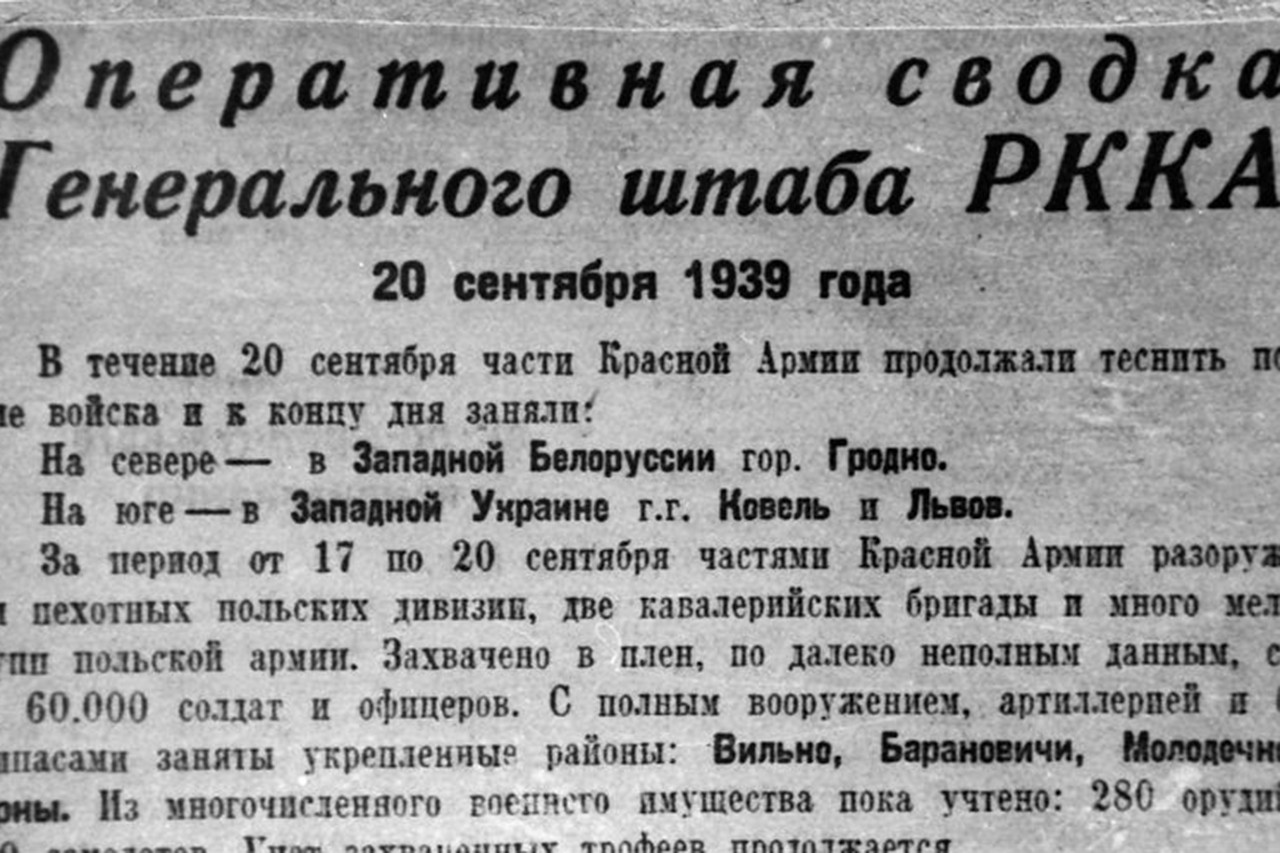
The advance of Soviet troops was rapid: on 18 September they took Sventiany, Lida, Novogrudok, Slonim and Volkovysk; on 19 September, Pruzhany and Kobrin. Most units of the Polish Army surrendered without a fight. At the same time, the battle for Grodno continued for several days. Resistance there was offered by around 3,000 soldiers and officers of a training unit and police officers. On 20 September the city was taken, and on 22 September Soviet troops entered Brest-Litovsk and Bialystok.
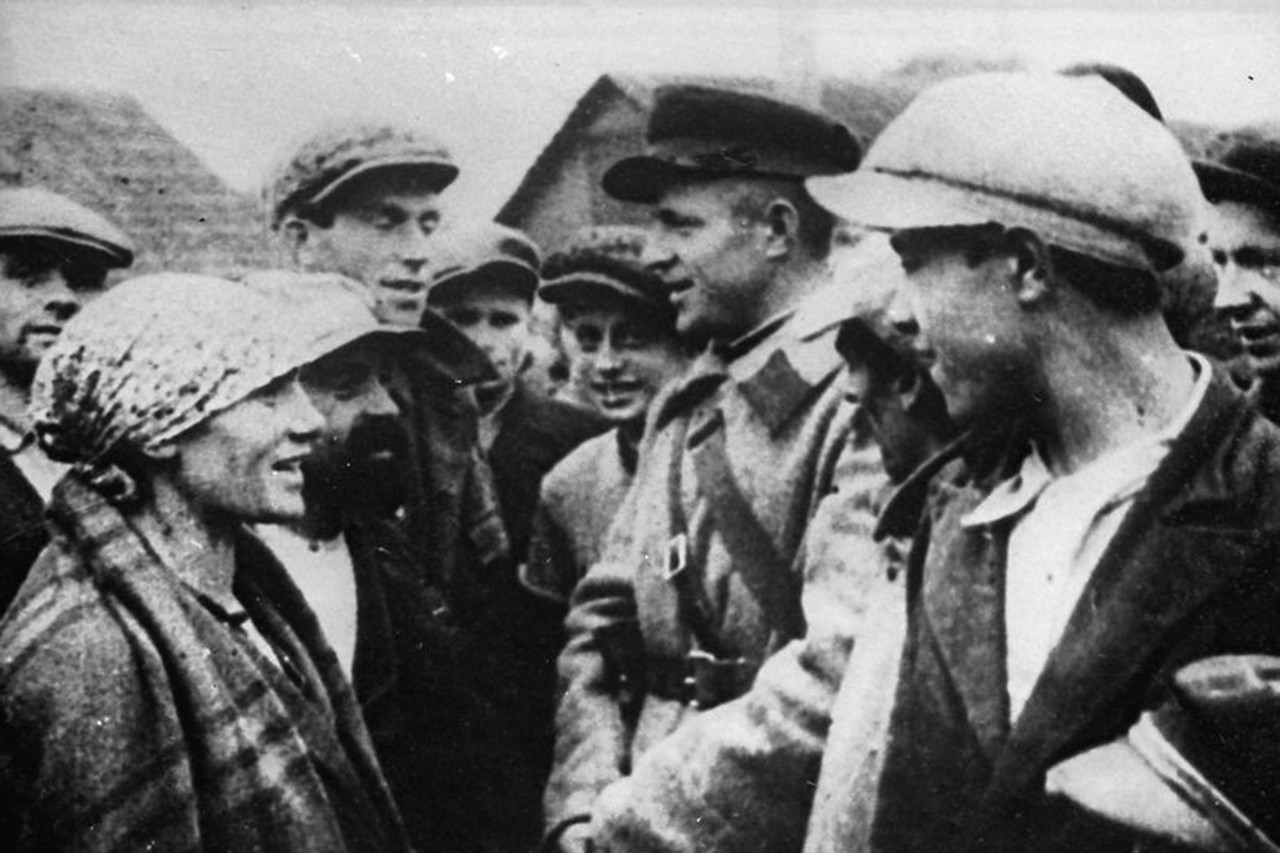
Liberated Slonim, 1939
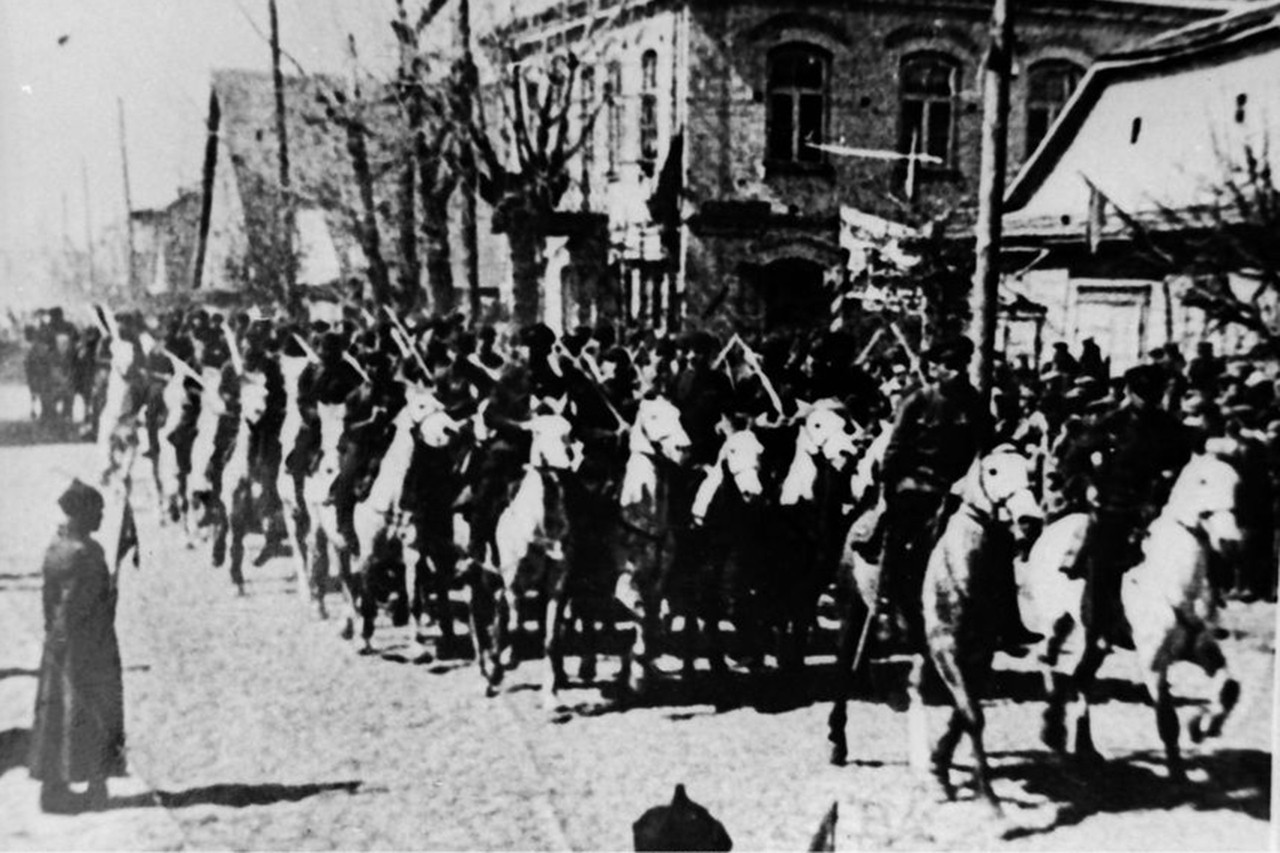
Red Army soldiers on the streets of liberated Grodno, 1939
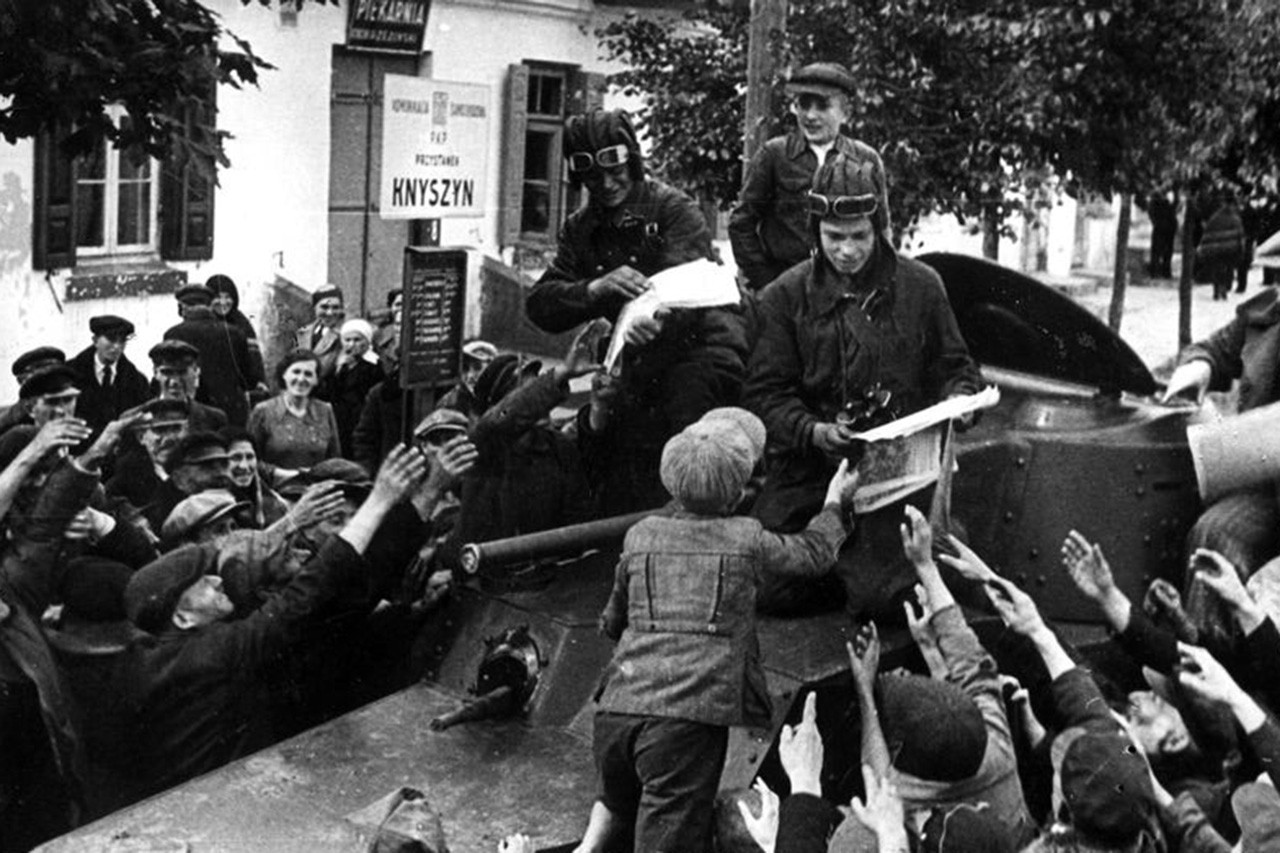
Red Army Senior Lieutenant handing out newspapers to locals in Knyszyn, Bialystok District, 1939
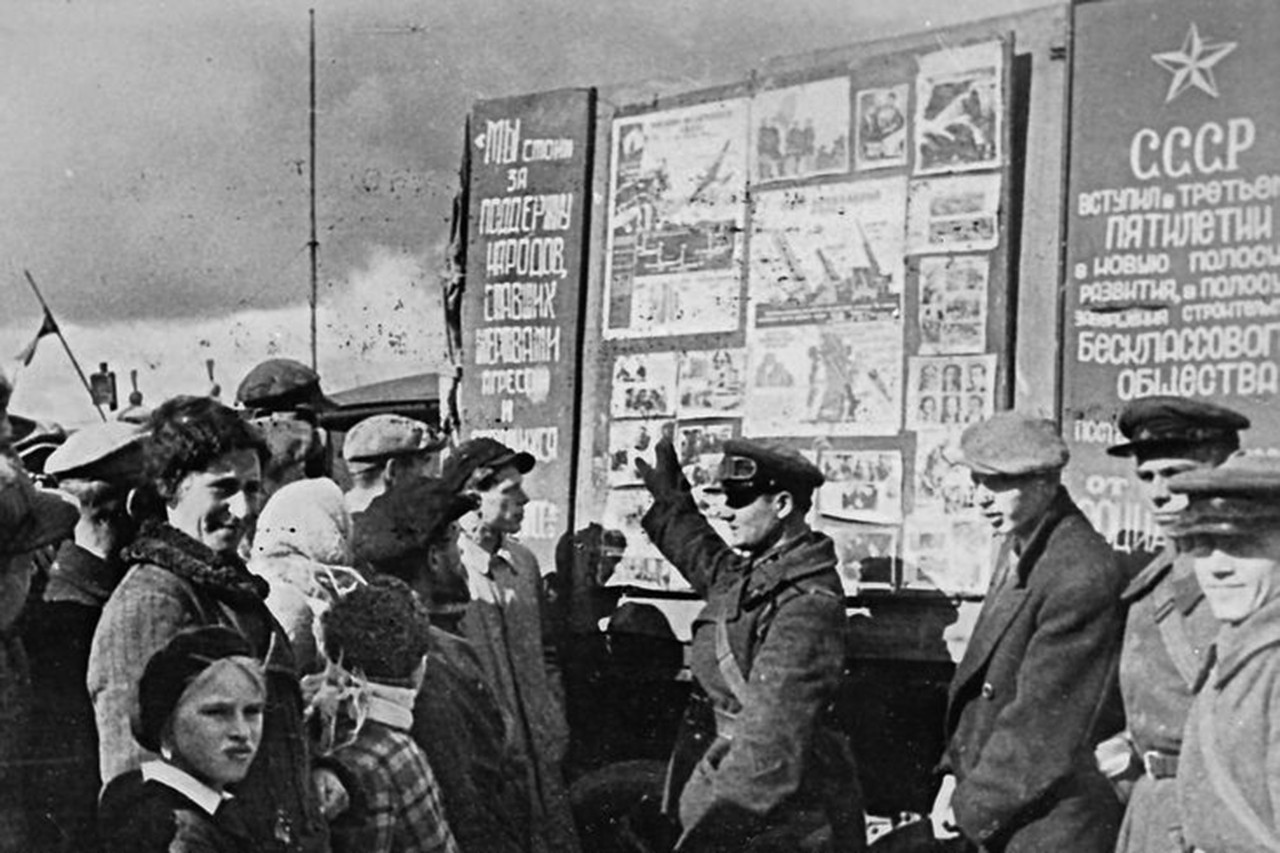
Red Army tanker S.A. Lobach talking to Vilna residents about life in the Soviet Union, 1939
On the whole, those units whose ranks consisted mainly of ethnic Ukrainians and Belarusians went over to the side of the Red Army. They were immediately disbanded and sent home. The bulk of the population of Western Belarus greeted the Soviet soldiers with joy and provided effective assistance. In many places, military-revolutionary committees were created, which organized detachments from workers and peasants. These formations disarmed police officers and took bridges, enterprises and other important facilities under protection.
After the arrival of the Red Army, bodies of the new authority began to be formed in the voivodeships and poviet [district] centers. In the cities these were temporary administrations, while in small towns and villages they were rural committees. It was they who undertook the implementation of the first transformations and then the organization of elections of deputies to the People’s Assembly of Western Belarus, which was to decide the main issues of the state system. Elections to the Assembly were held on 22 October 1939.
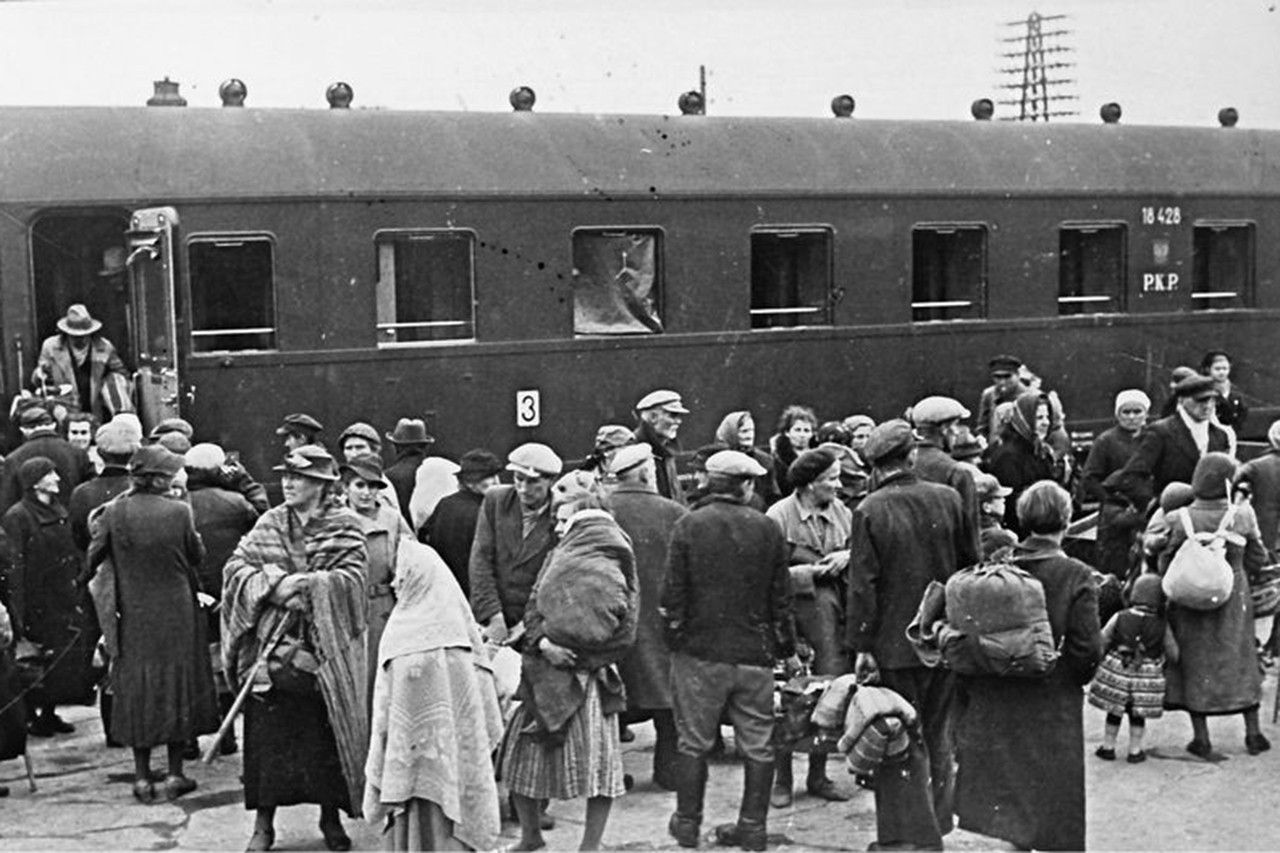
The population returning to their homelands after the arrival of the Red Army in Western Belarus, 1939
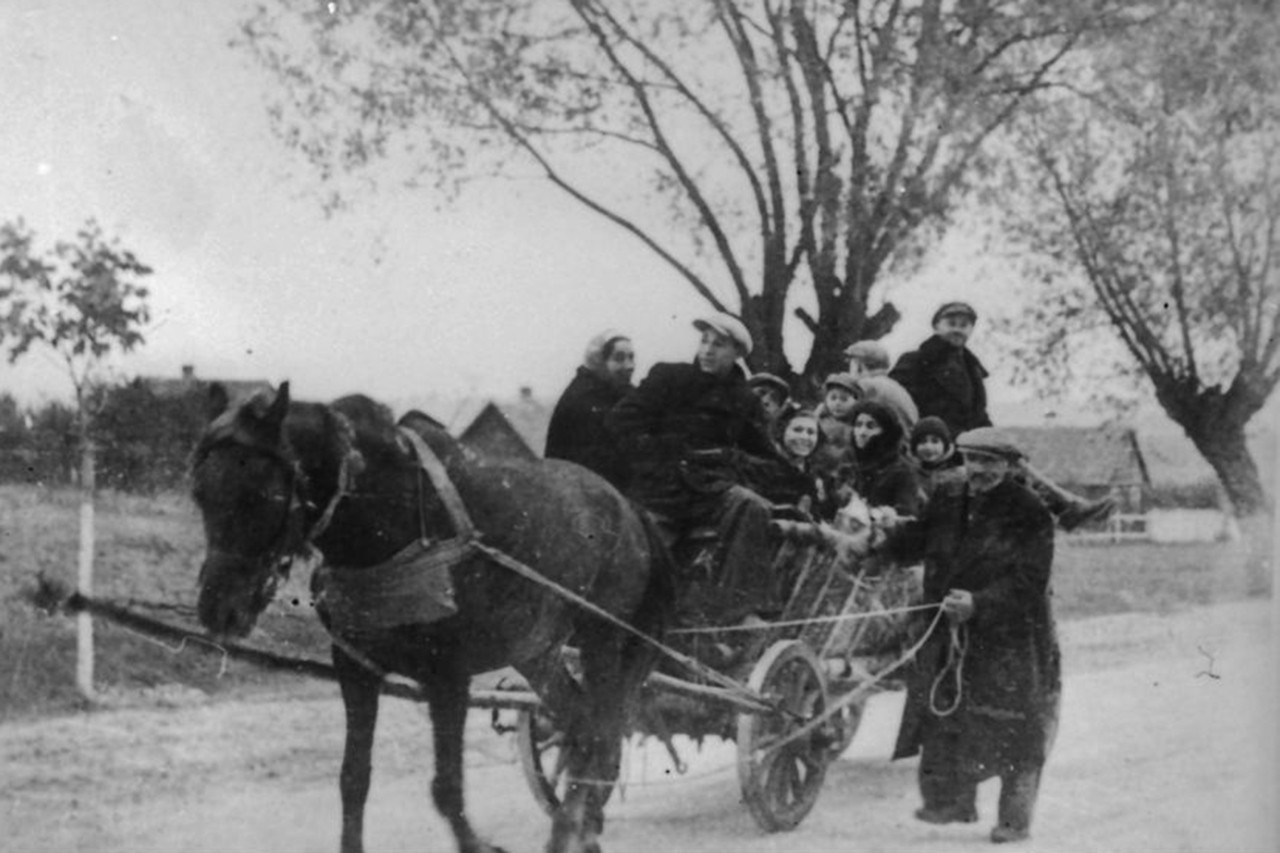
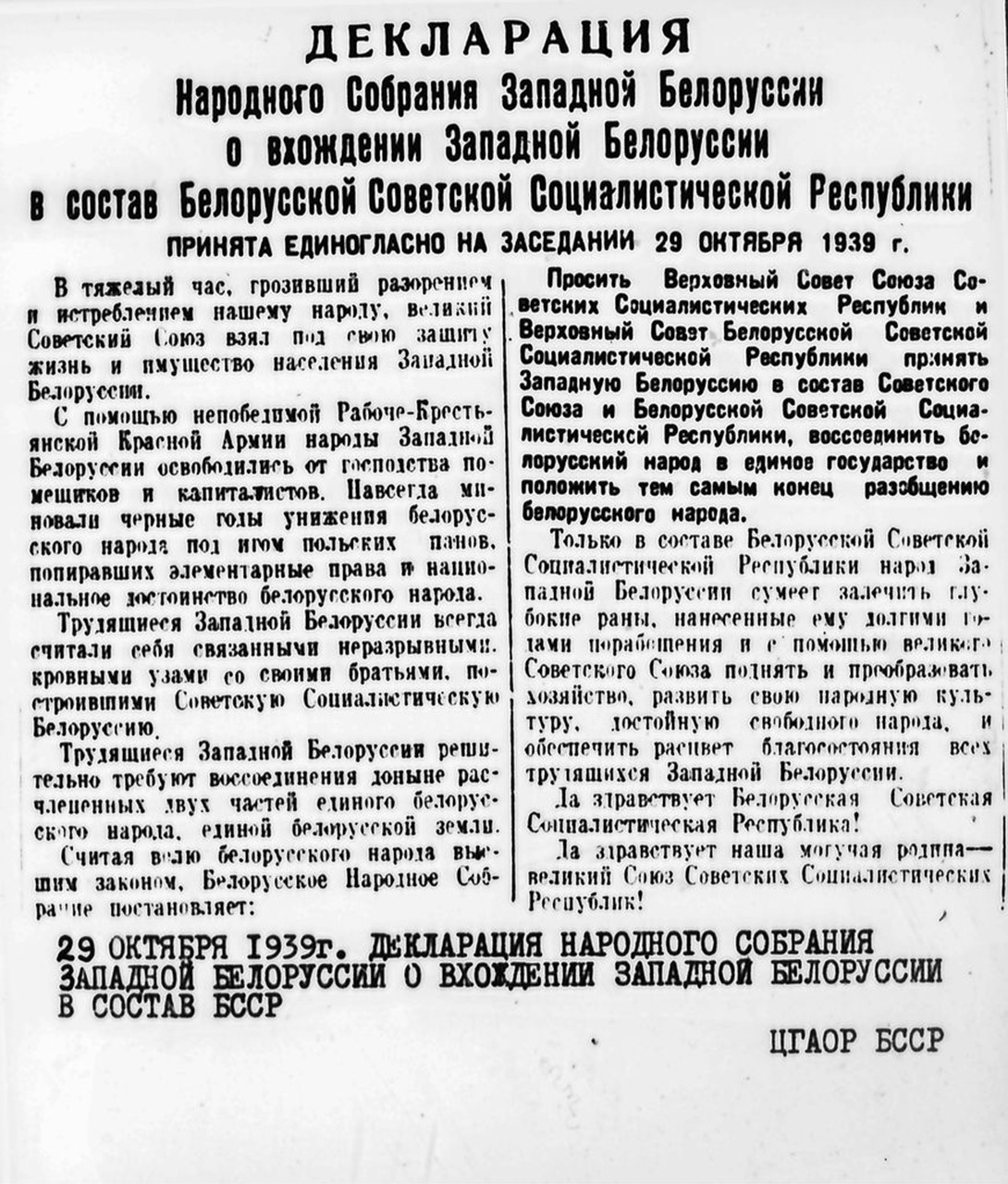
The People’s Assembly of Western Belarus was held on 28-30 October 1939 in Bialystok. It adopted the Declaration on the incorporation of Western Belarus into the BSSR.
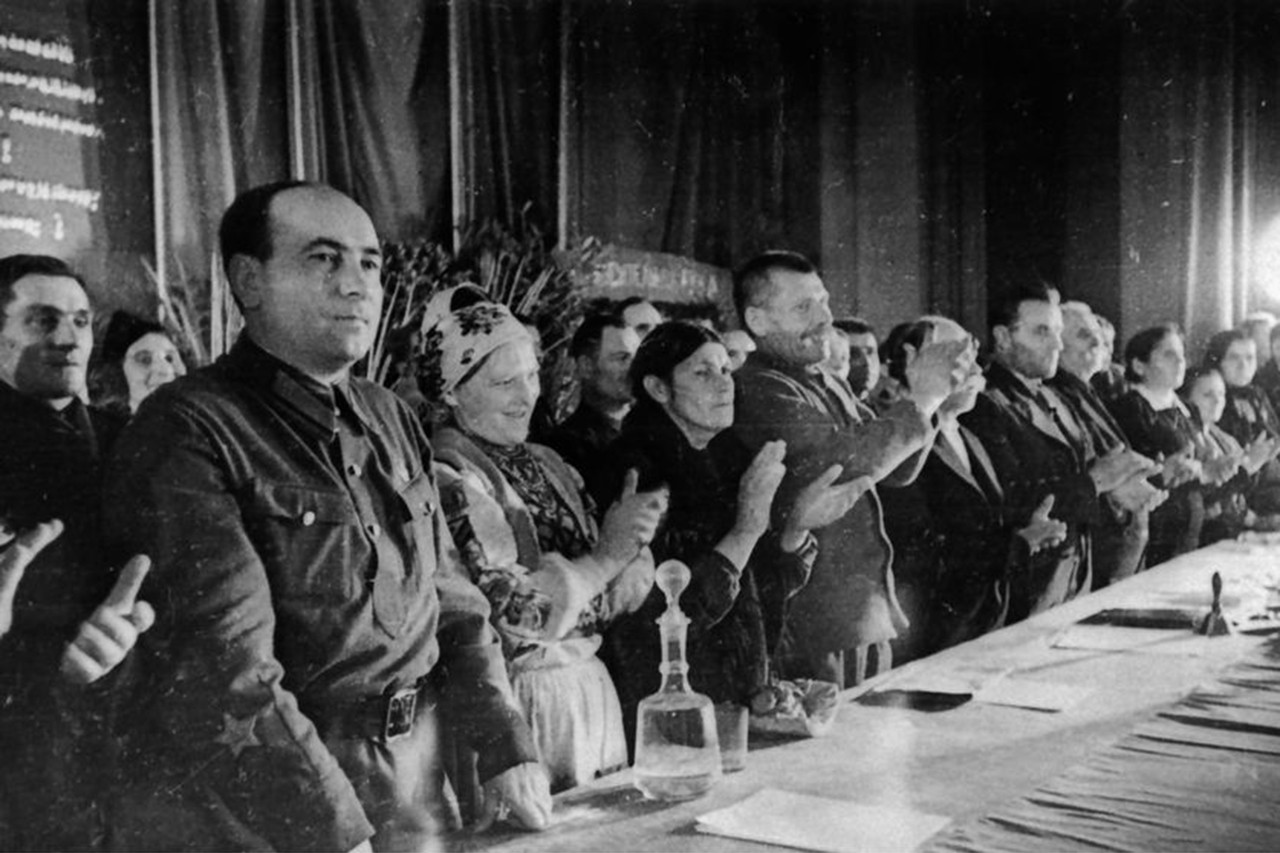
Bialystok People's Assembly for the reunification of Western Belarus. On the left: First Secretary of the Central Committee of the Communist Party of Belarus Panteleimon Ponomarenko, 1939
On 2 November 1939, an extraordinary fifth session of the Supreme Soviet of the USSR of the first convocation decided to grant the request of the People’s Assembly of Western Belarus and to include Western Belarus in the USSR with its unification with the Belarusian SSR. The concluding legislative act was the adoption by an extraordinary third session of the Supreme Soviet of the BSSR on 14 November 1939 of the law “On the Admission of Western Belarus into the Belarusian Soviet Socialist Republic.”
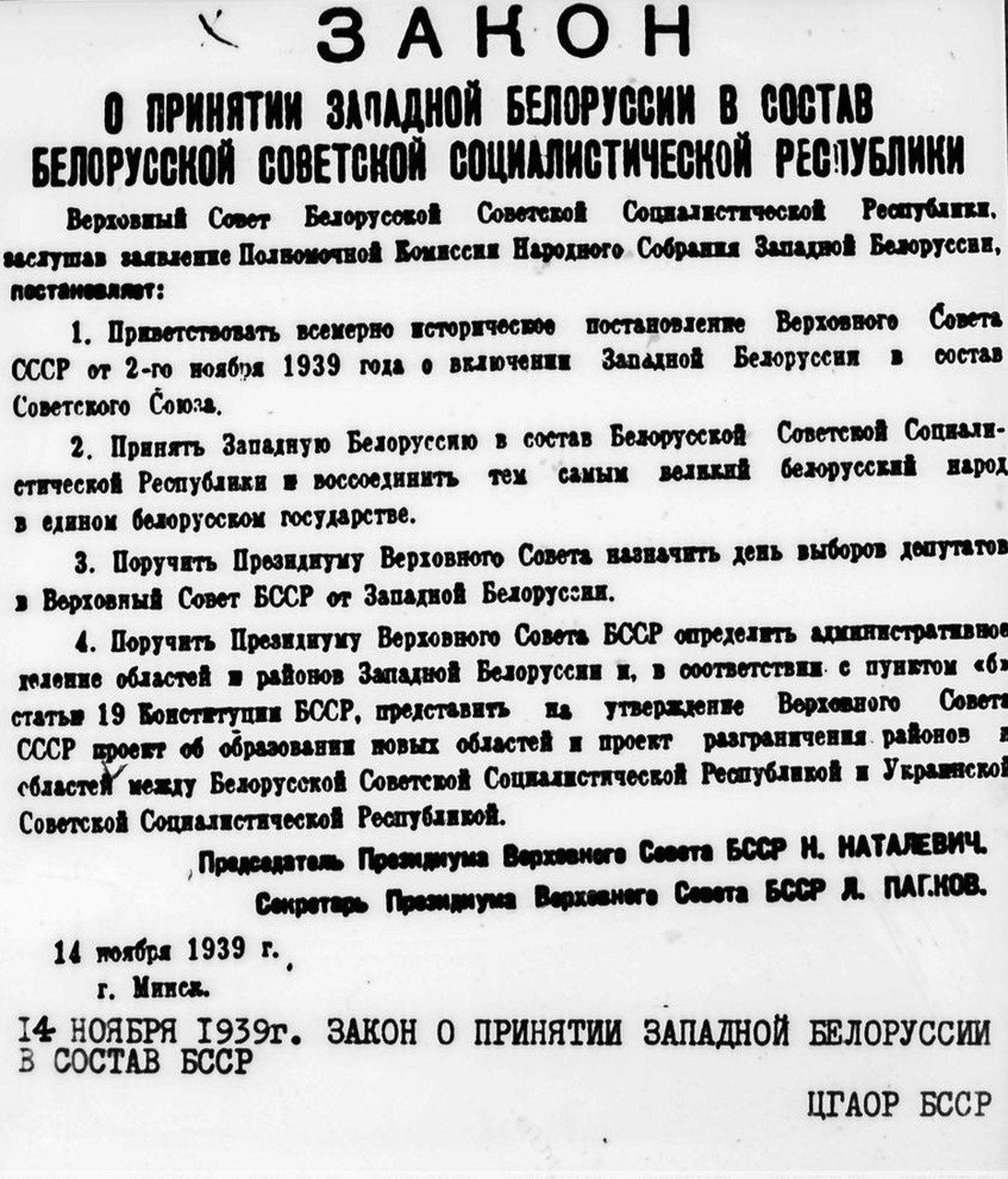
As a result of the adoption of these historic documents, the country’s territorial integrity was restored and the Belarusian people were reunited. The country’s territory and population nearly doubled.
The Western Belarusian lands that became part of the BSSR were organized into the Baranovichi, Bialystok, Brest, Vileika, and Pinsk oblasts. These lands saw radical social and economic transformations. The authorities nationalized enterprises and banks, and collectivization and mechanization of agriculture got underway. Fundamental changes took place in education, healthcare, science, and culture. Literacy campaigns gained momentum, with educational institutions being established for various ethnic groups. Theaters, cinemas, cultural centers, and libraries were opened. Belarusian-language periodicals appeared in every regional center and district town.
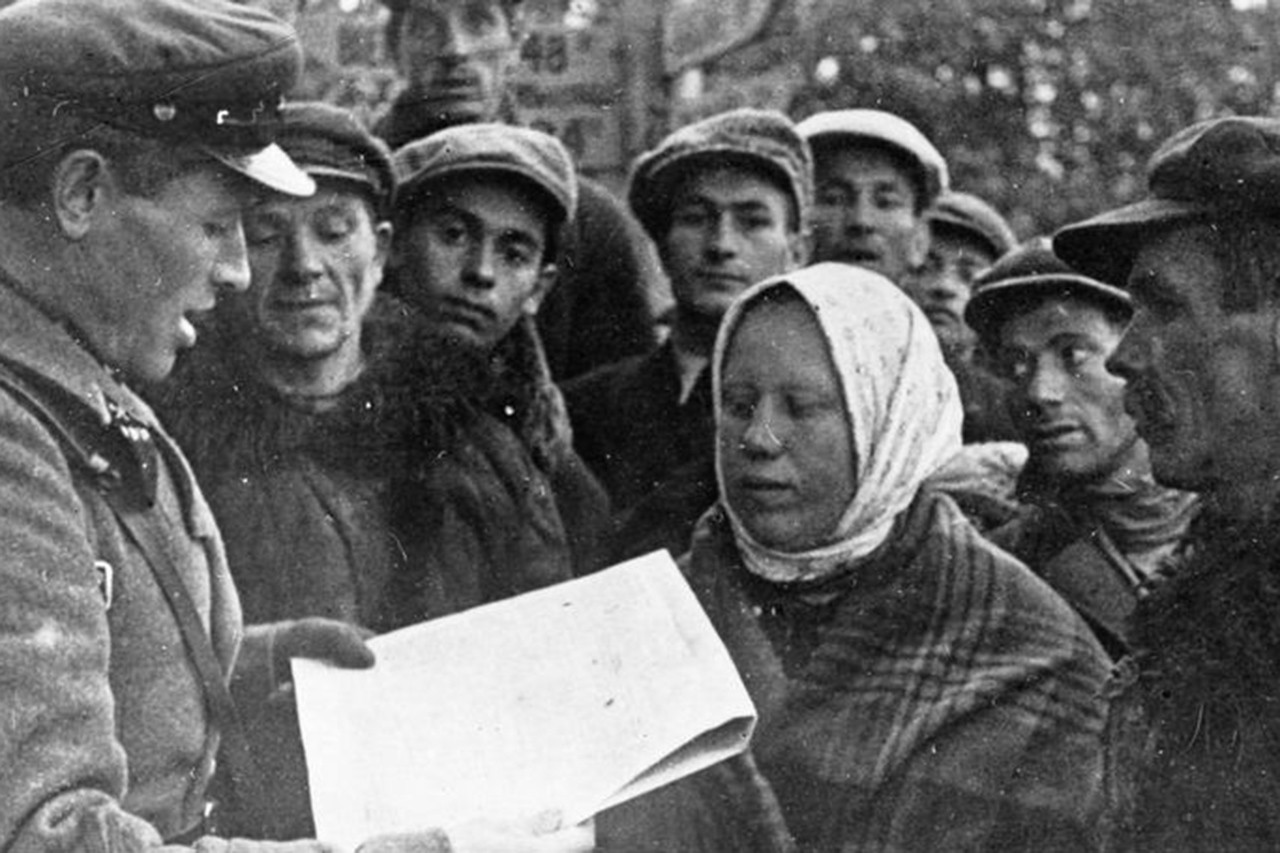
Red Army commander reading a newspaper to locals in Western Belarus, 1939
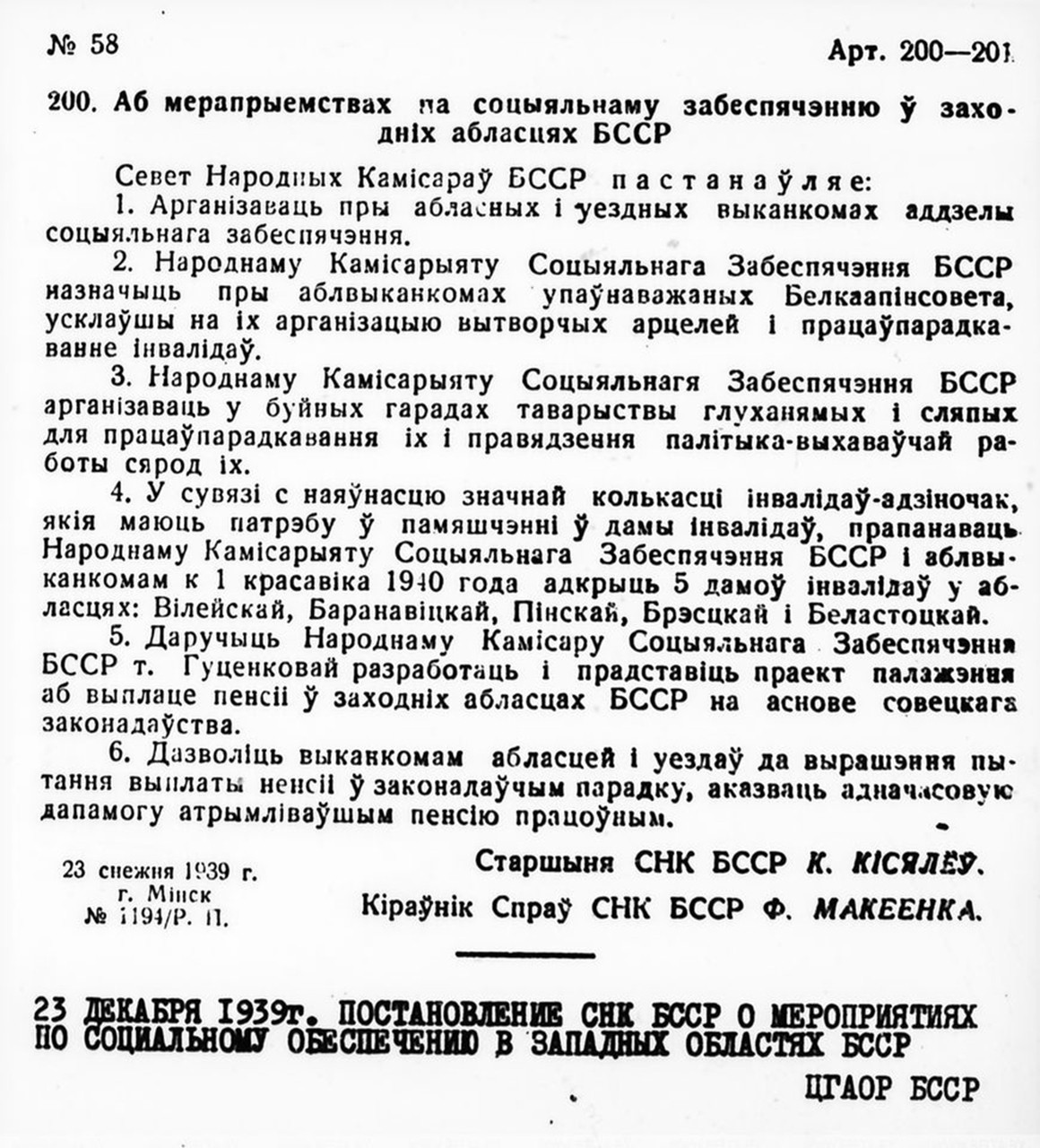
BSSR Council of People's Commissars decree on social security measures in western BSSR regions, 1939
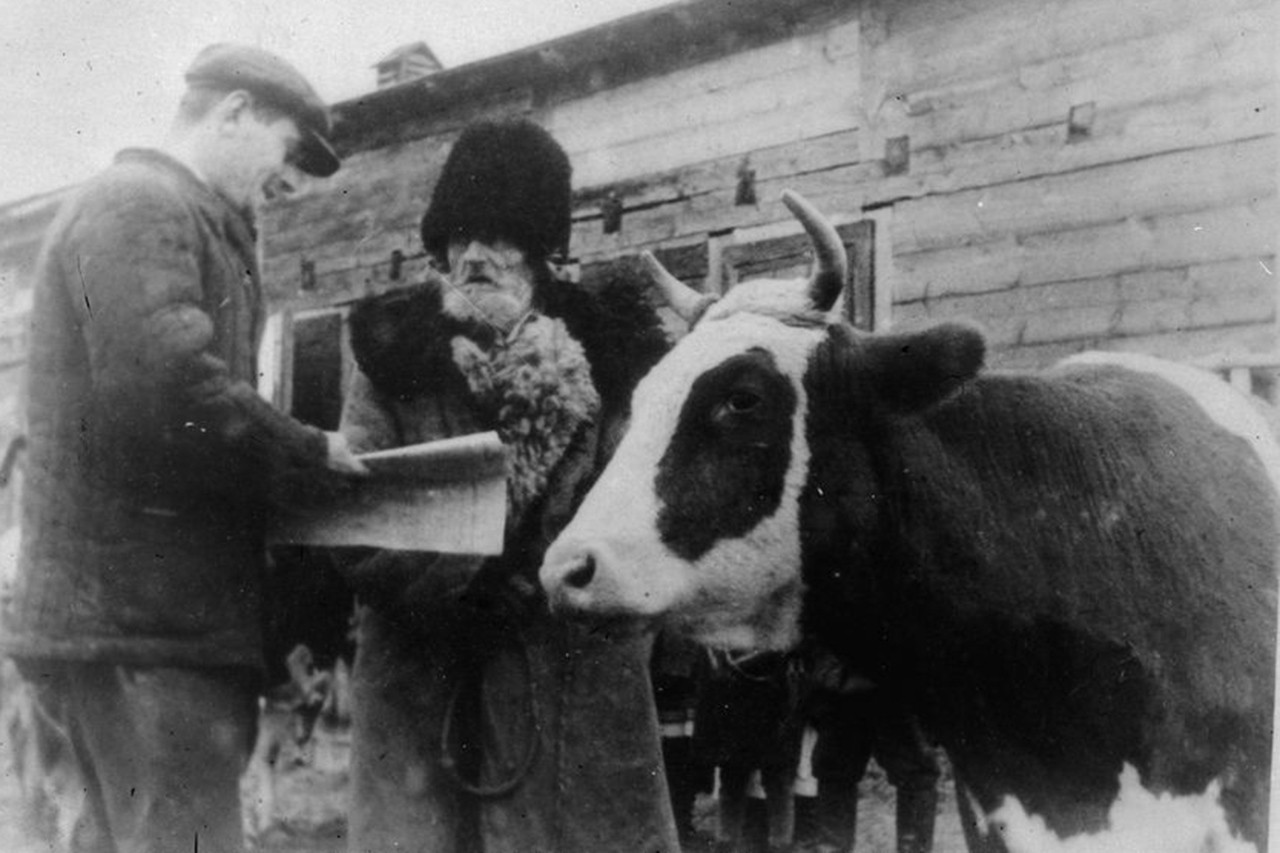
Poor peasant V. Makarovich receiving a cow confiscated from a landowner, 1939
Preserved memory that keeps history alive
The memory of the events of 1921-1939 lives on not only in textbooks and books but also in the streets of our cities. In autumn 1939, a mass grave for Red Army soldiers who died in the fighting appeared at the entrance to the city park in Brest. A year later, Grodno unveiled a monument to its liberator soldiers.
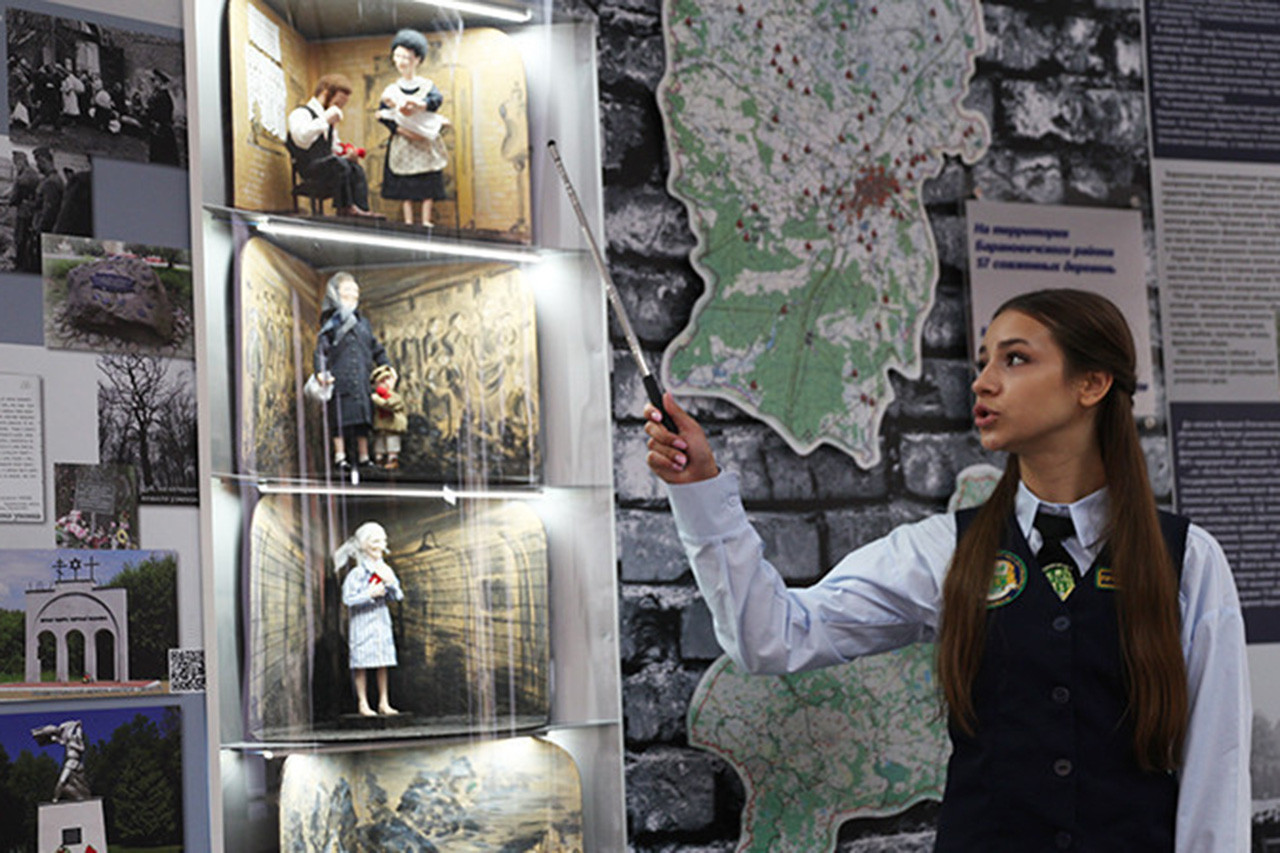
In 1962, a four-sided concrete obelisk was erected on the outskirts of the city of Bereza to commemorate prisoners of the Polish concentration camp Bereza Kartuska. It was reconstructed in 2021. Today, a path paved with hexagonal trylinka tiles leads to the monument. Such tiles were made by prisoners of the camp. A museum exhibition was set up just a few meters from the renovated monument, in the building known as the red barracks. The concentration camp was located there.
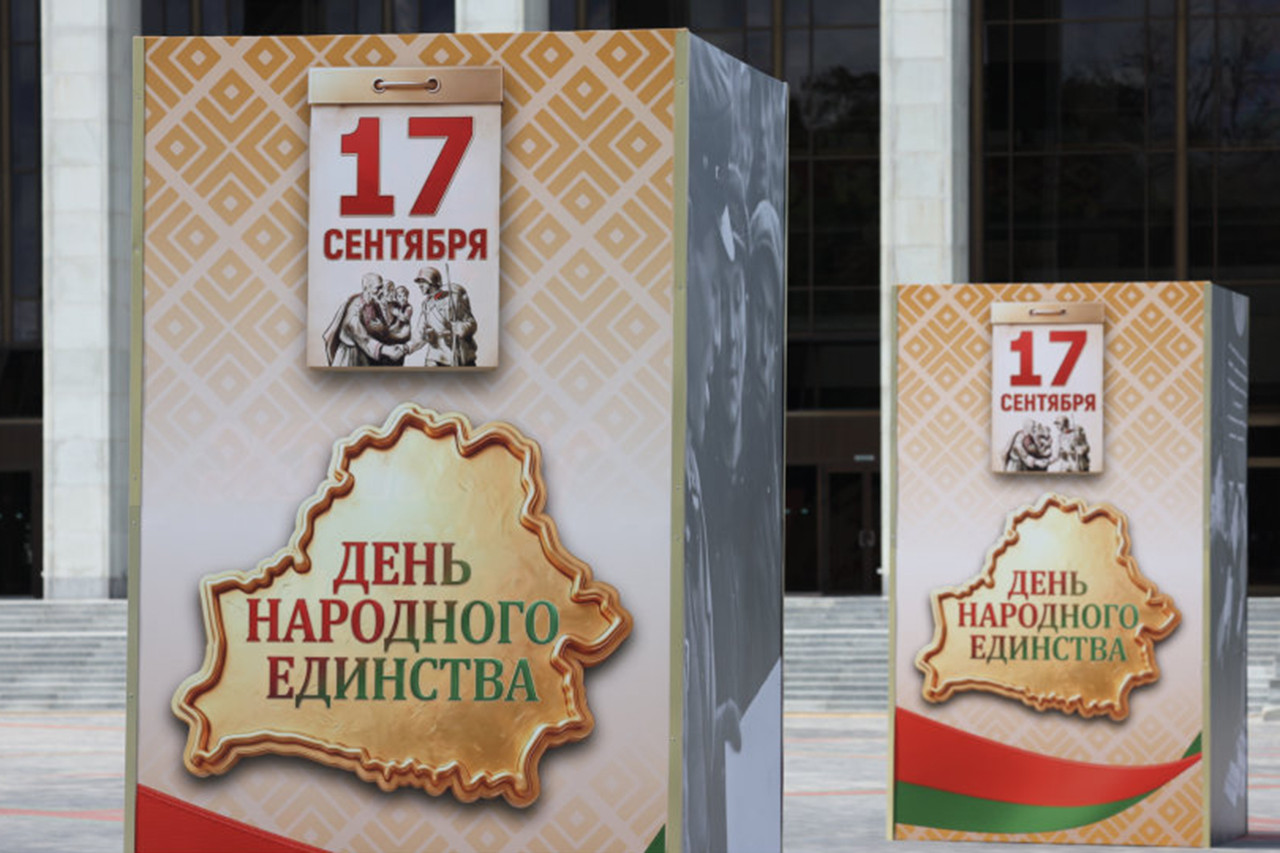
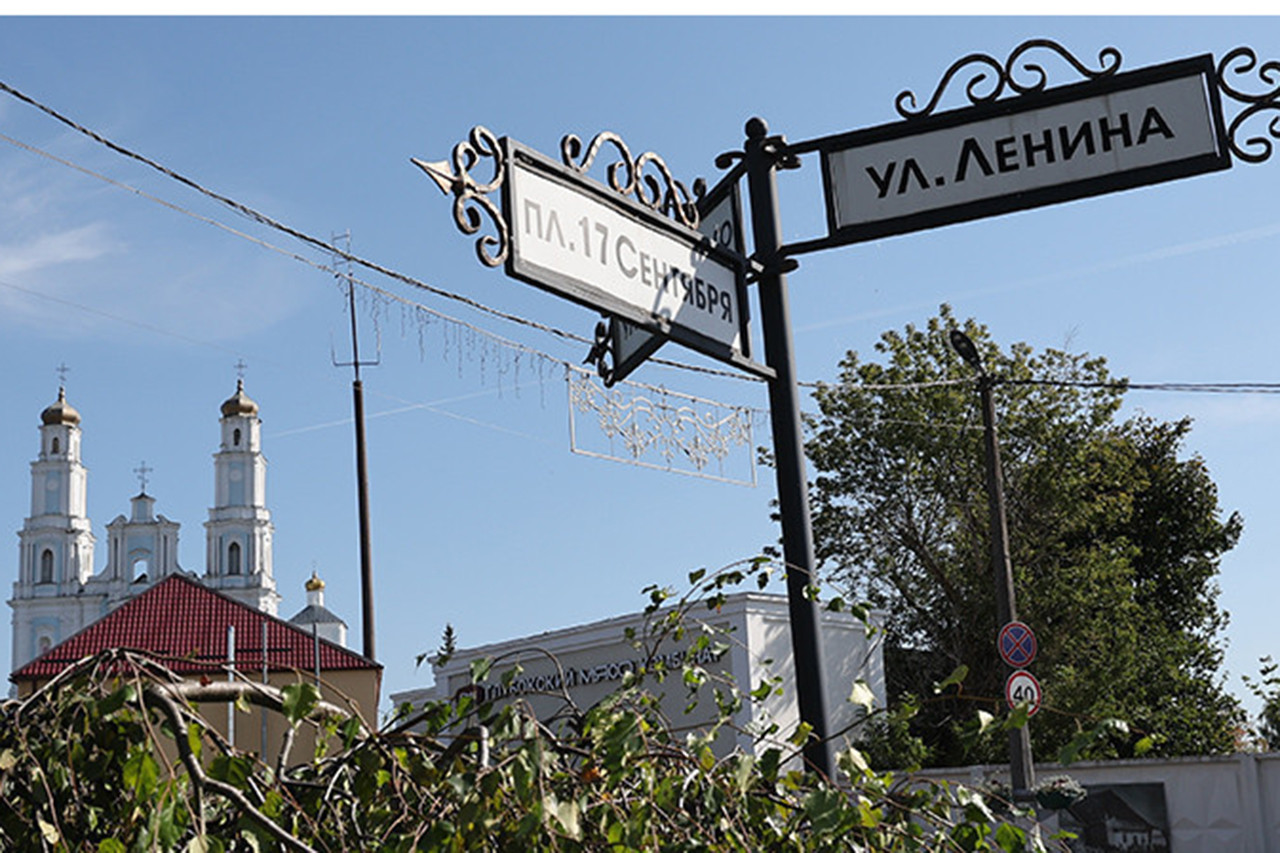
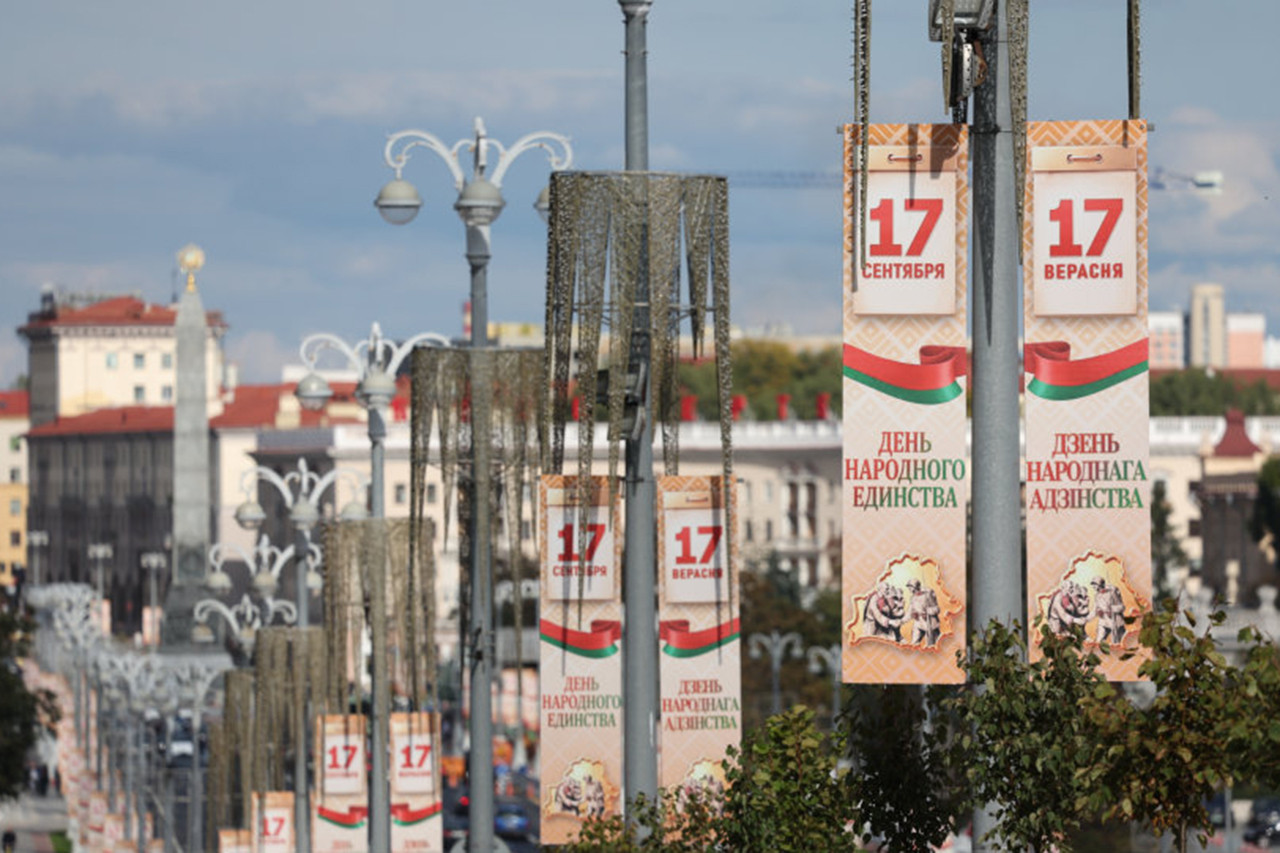
Streets and avenues are named in honor of 17 September. According to the National Cadastral Agency, as of 2022 there were 167 road network elements bearing the name 17 September. By September 2024, however, their number had increased to 181.
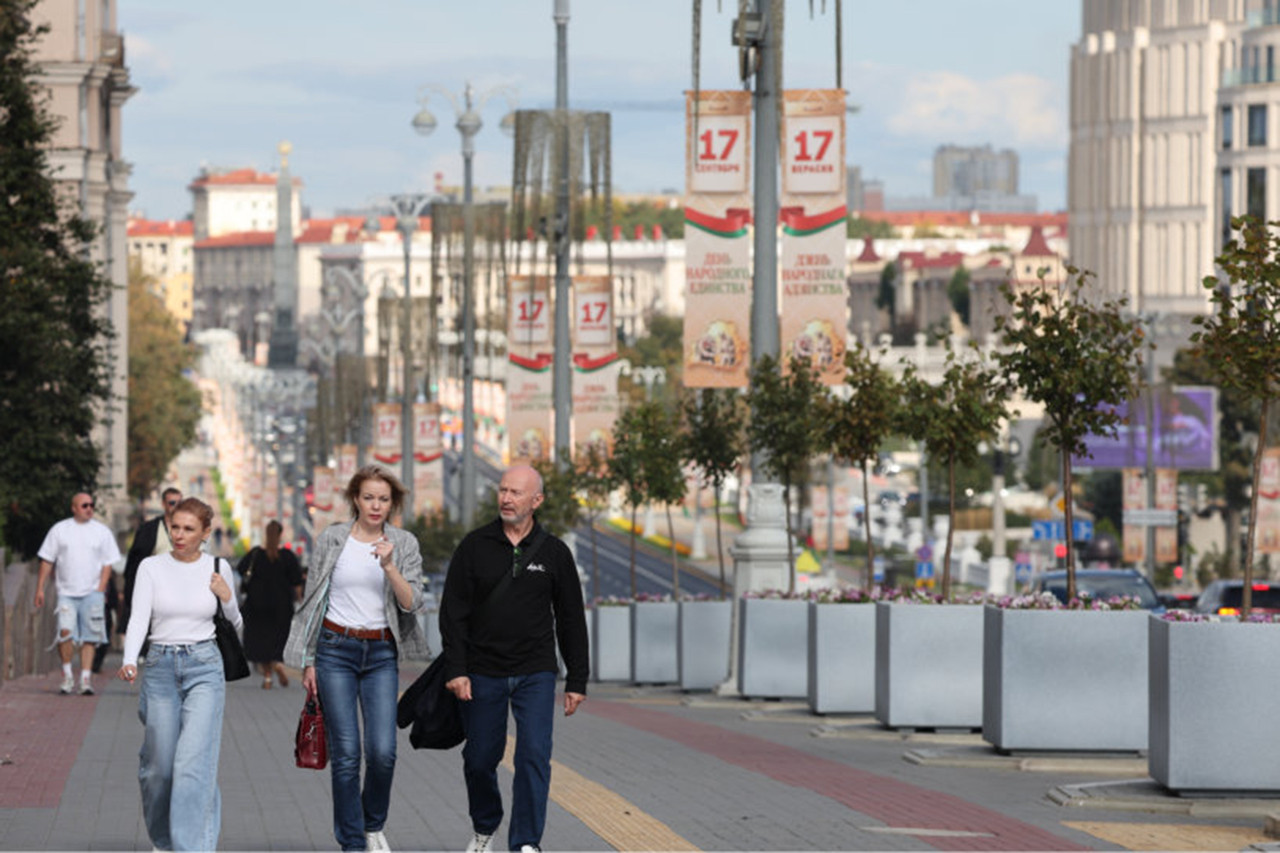
The number of monuments is also growing. In 2021, a memorial sign dedicated to the Day of People’s Unity was unveiled in Mogilev. In 2023, the Rubezh [Border] memorial sign was unveiled in the agricultural town of Lenin in Zhitkovichi district, Gomel Oblast. It stands at the area where the border between the BSSR and Poland ran until 1939.
At a meeting with members of the ideological sector and representatives of the historical and expert communities on 17 September 2025, Belarusian President Aleksandr Lukashenko said that more should be done to explain the background to the Red Army’s campaign. “We should tell people, breaking years of silence, about the heavy mark left by Polish rule on the lands severed from our Soviet republic,” the head of state stressed. “Our people should know that Belarusians were robbed while ethnic Poland prospered and flourished, that our resources were taken away, while the villager who worked himself to exhaustion for pennies lived in poverty and under threat of the whip. And that whip came down on everyone who tried to fight for their faith, language, and culture.” “We must all remember that Polish prisons were overcrowded with Belarusian patriots, that the nation was destroyed both spiritually and physically in the most brutal way,” the president said.
Historical significance of the reunification of the Belarusian people
The reunification of Western Belarus with the BSSR was a major historical milestone for the entire Belarusian people. It eliminated the threat of the Polonization and assimilation of Belarusians and gave a powerful impetus to the consolidation of the Belarusian nation. The national unity achieved at the time became an important prerequisite for rapid state development and overall progress.
History clearly demonstrates that a strong state cannot exist without preserving historical memory and without deep respect and love for our ancestors who sacrificed themselves for us, for a united and indivisible Belarus. Today, we pay tribute to all those who selflessly defended the right of Belarusians to ‘to be recognized as a people’. Thanks to them, we have the opportunity to independently shape our state’s foreign and domestic policies based on our own interests.
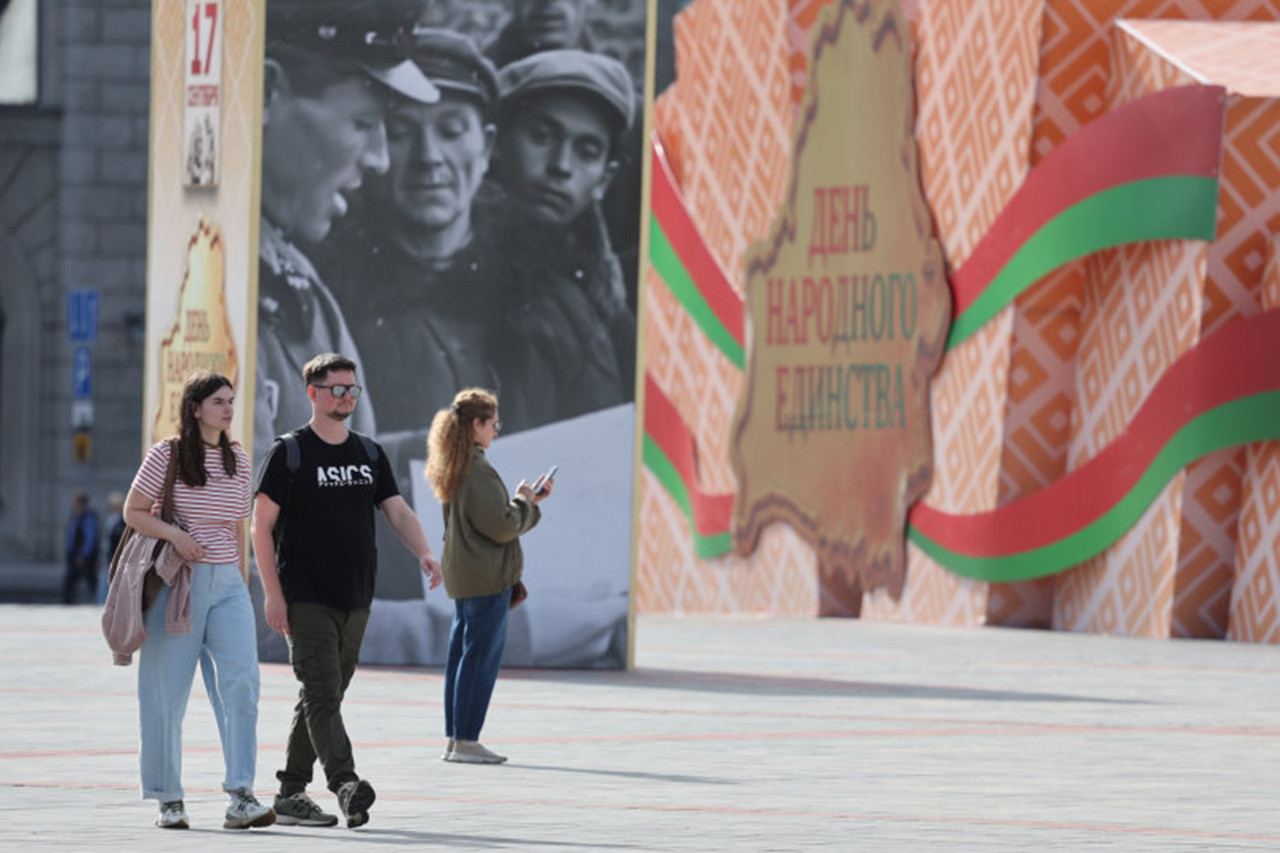
For the Belarusian people, solidarity and unity are not abstract concepts but a real opportunity to overcome the most difficult historical challenges while preserving their national identity. In modern conditions, citizens’ readiness to unite around nationwide goals is the main guarantee of the country’s stable development and the strengthening of its sovereignty, while the inviolability of state borders serves as a reliable guarantee of a peaceful and secure life.
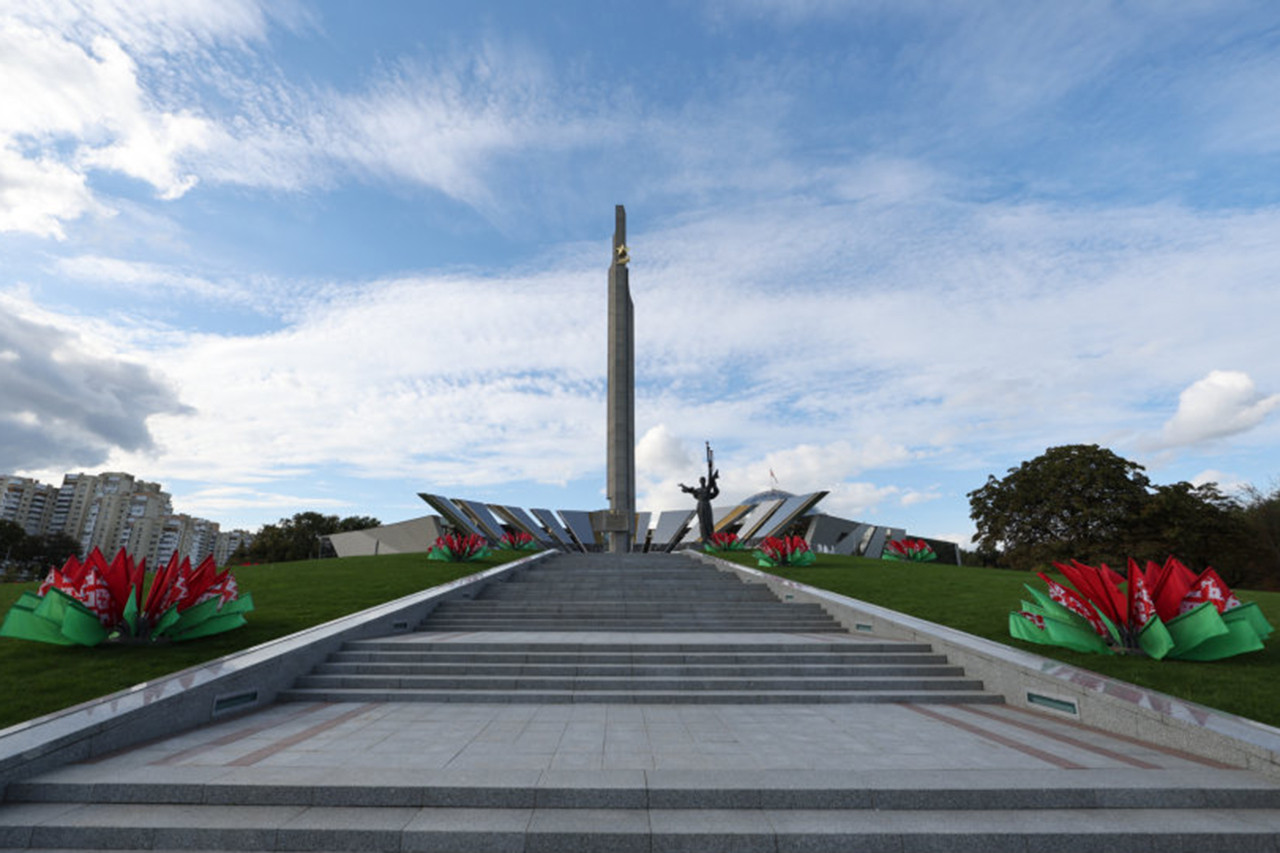
Five years ago, on the first Day of People’s Unity, Aleksandr Lukashenko took part in the Symbol of Unity forum of patriotic forces and emphasized the significance of the new holiday: “This is our historical memory. Memory that brings people and eras together, passes on experience and warns against fatal mistakes. Our entire history, sometimes a difficult and dramatic journey toward gaining and preserving our statehood, has repeatedly confirmed the ancient wisdom: strength lies in unity.”


