Lukashenko orders snap army inspection. Here’s how it works
13:41, 23 January

photo: BelTA
Belarusian President Aleksandr Lukashenko has ordered a snap combat readiness check of the Armed Forces, BelTA has learned.
- Поделиться в Facebook
- Поделиться ВКонтакте
- Поделиться в Twitter
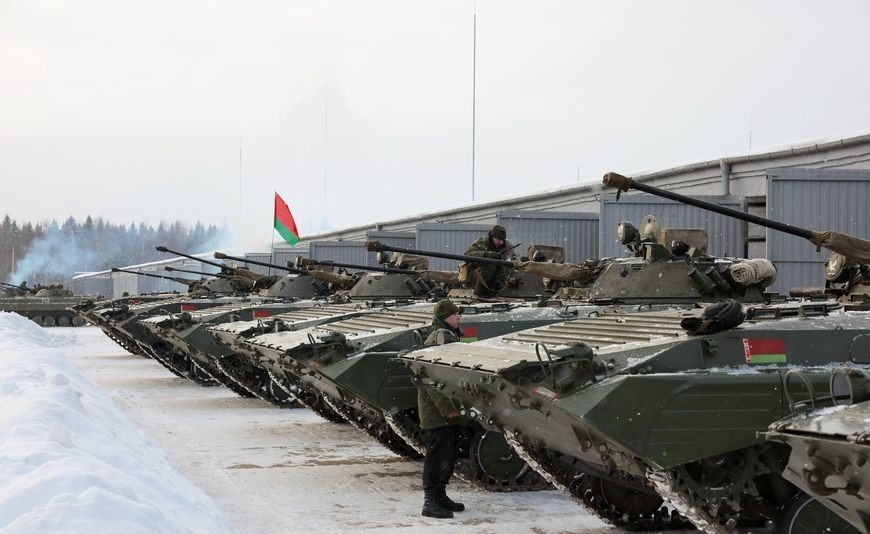
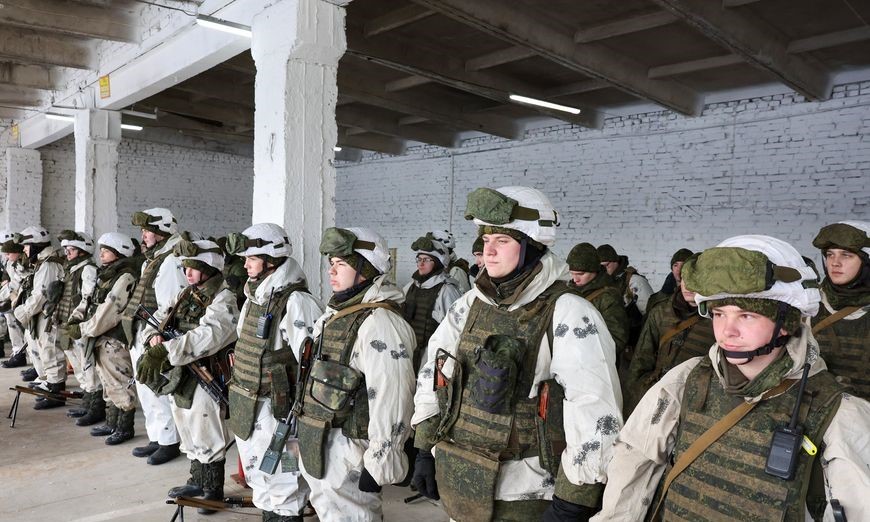
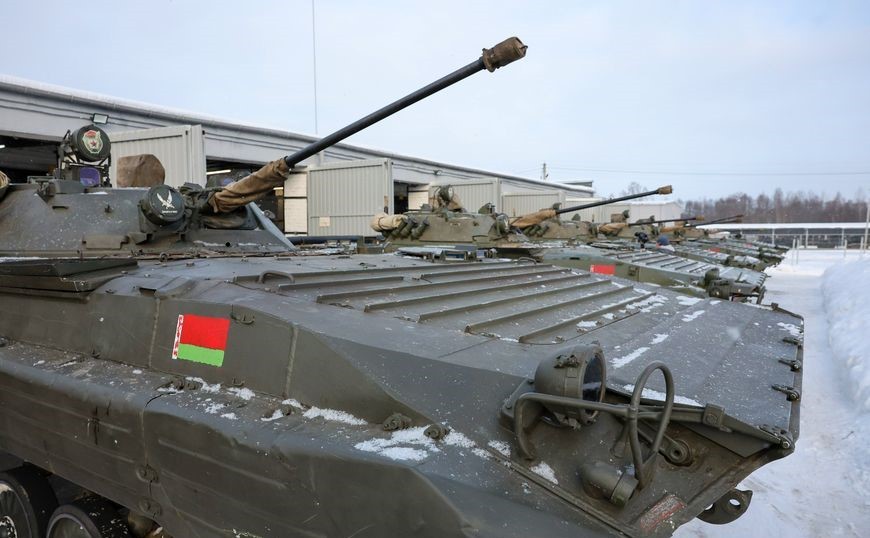
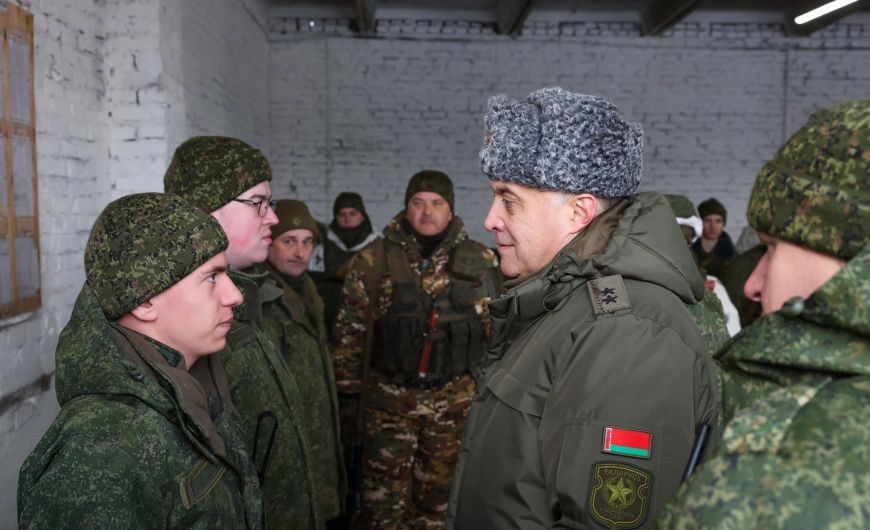
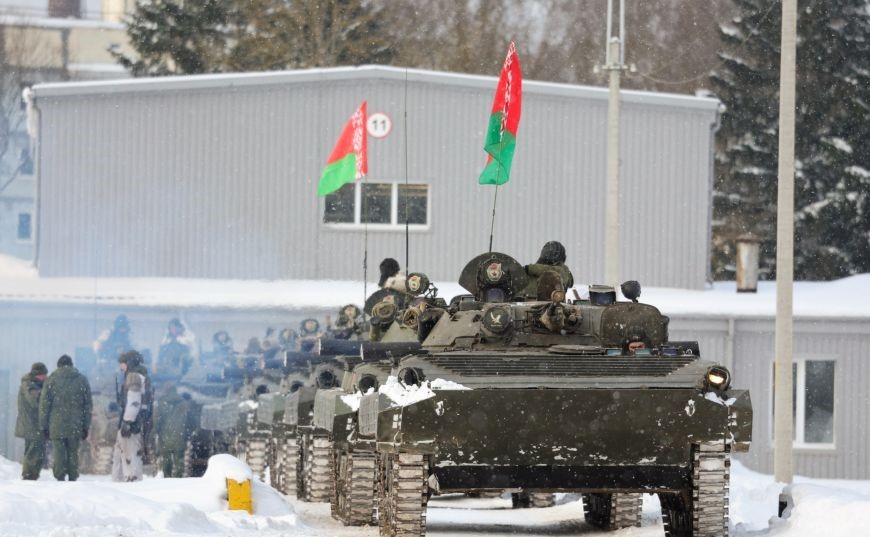
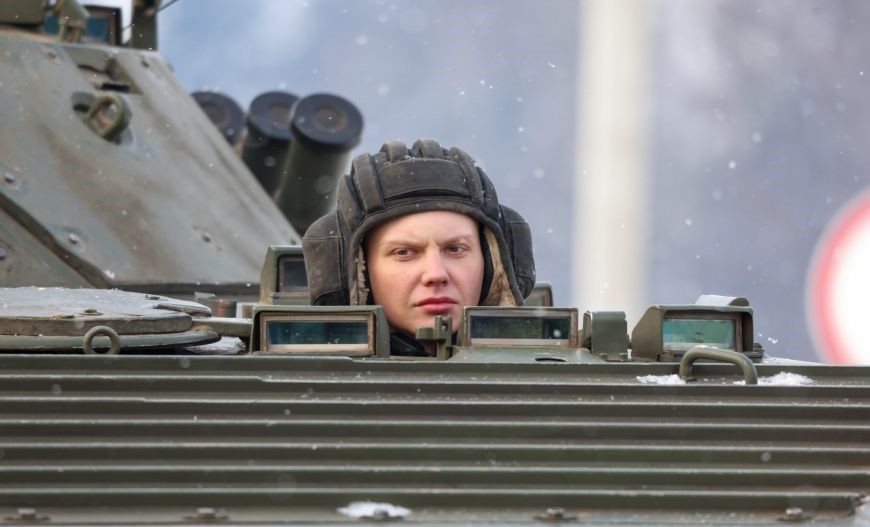
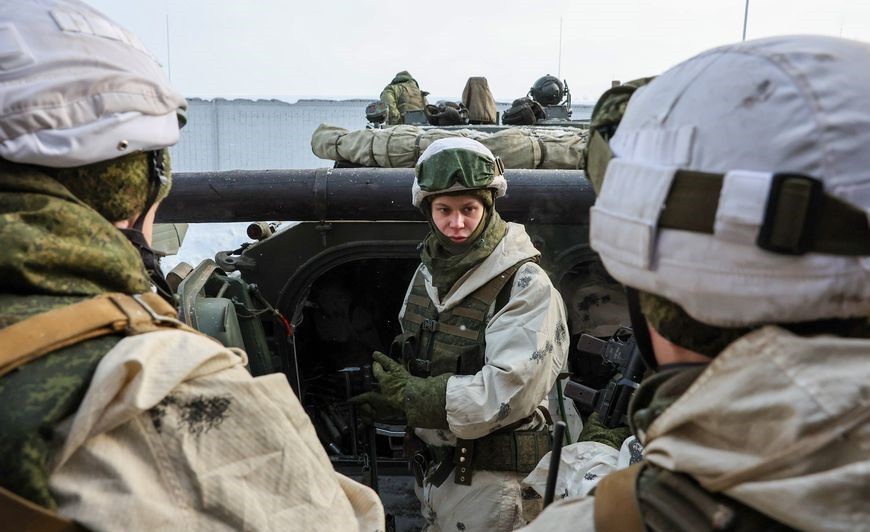
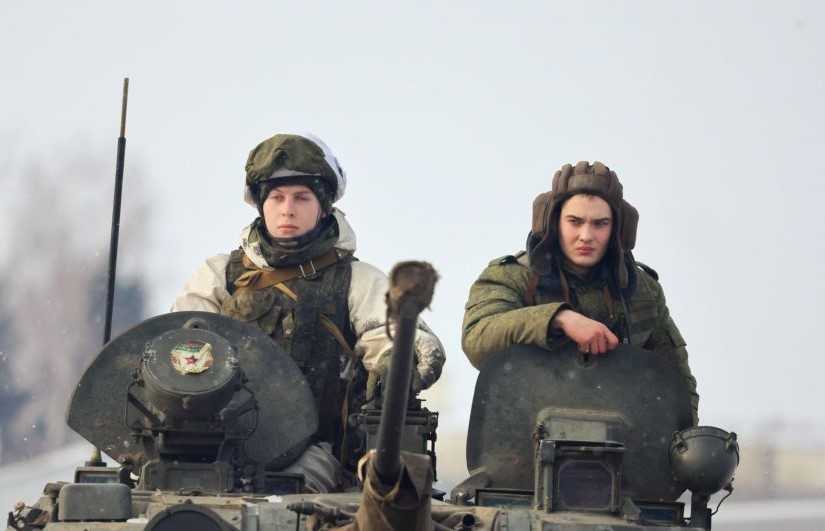
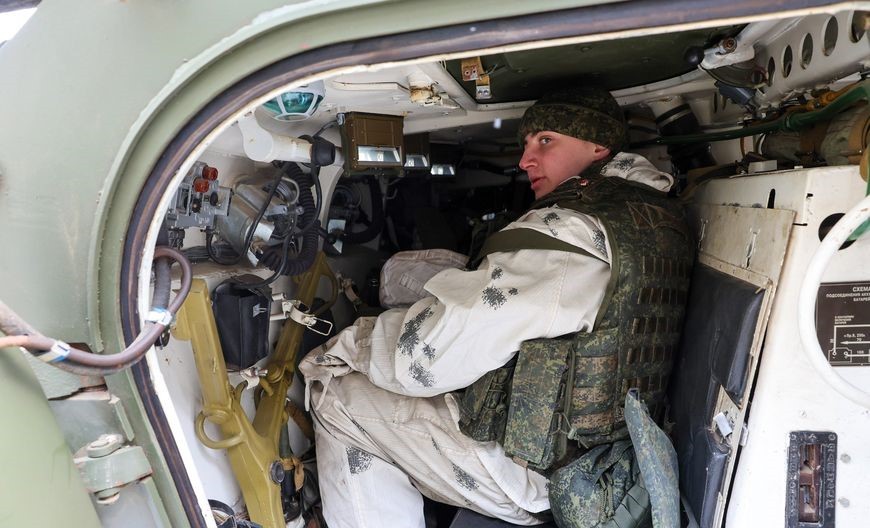
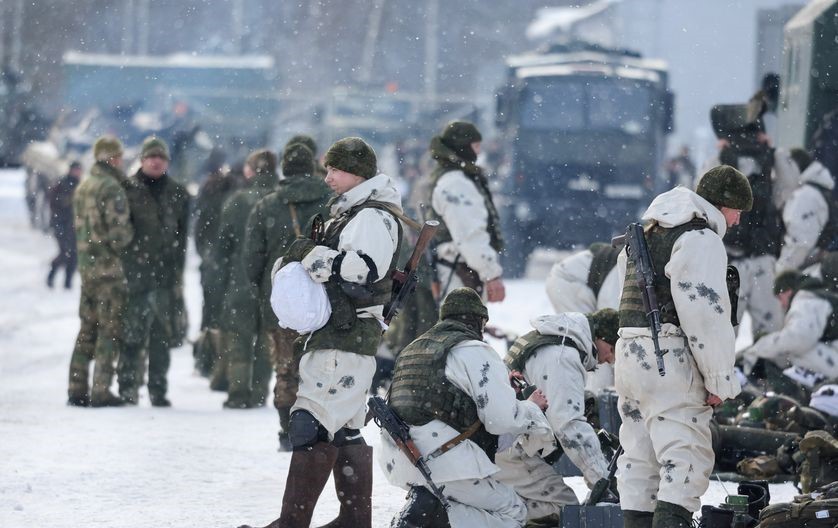
The 19th Separate Guards Mechanized Brigade is being inspected as part of the large-scale combat readiness inspection of the Armed Forces of Belarus.
The primary objective of the inspection is to obtain an objective picture and assess the actual state of the troops, evaluate the actions of military personnel. This is precisely why an inspection is conducted on a surprise basis. A key feature of the inspection is its organization: the head of state personally places military units on combat alert, bypassing the Defense Ministry and the General Staff.
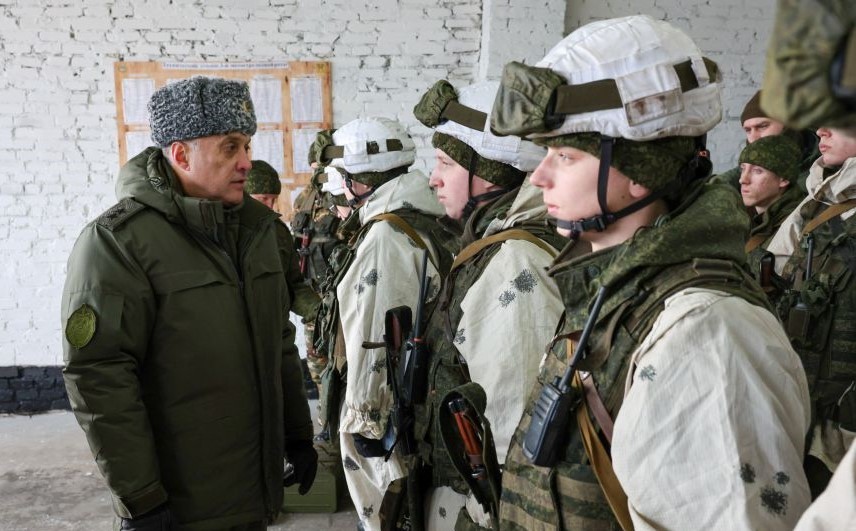
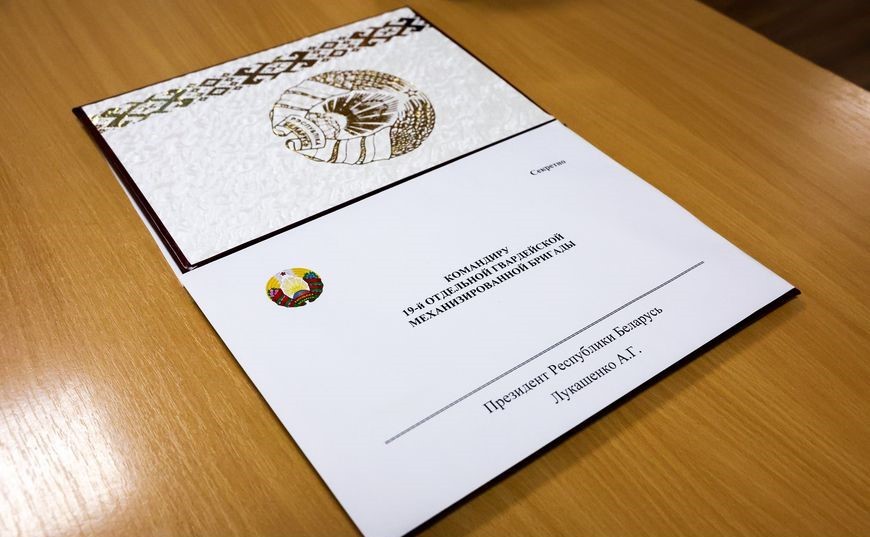
The system operates as follows: The president signs a classified directive outlining the plan for the upcoming inspection. The state secretary of the Security Council receives the sealed package containing the document and then, accompanied by staff from the State Secretariat, travels to a military unit designated by the head of state.
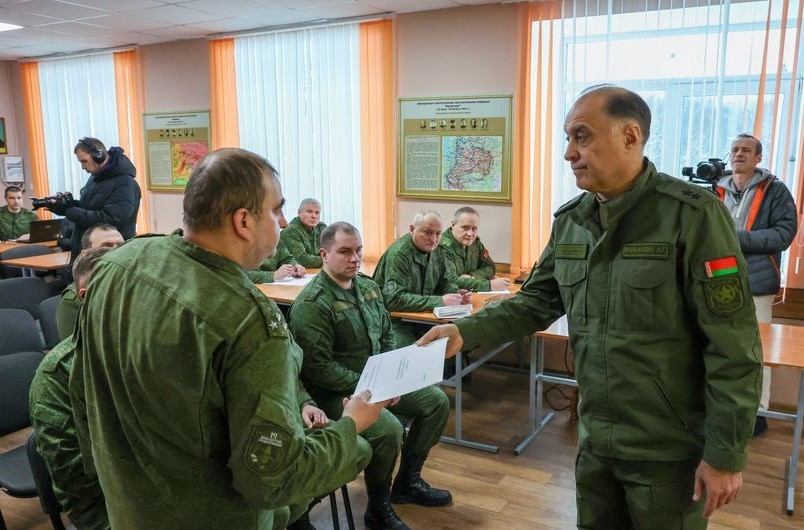
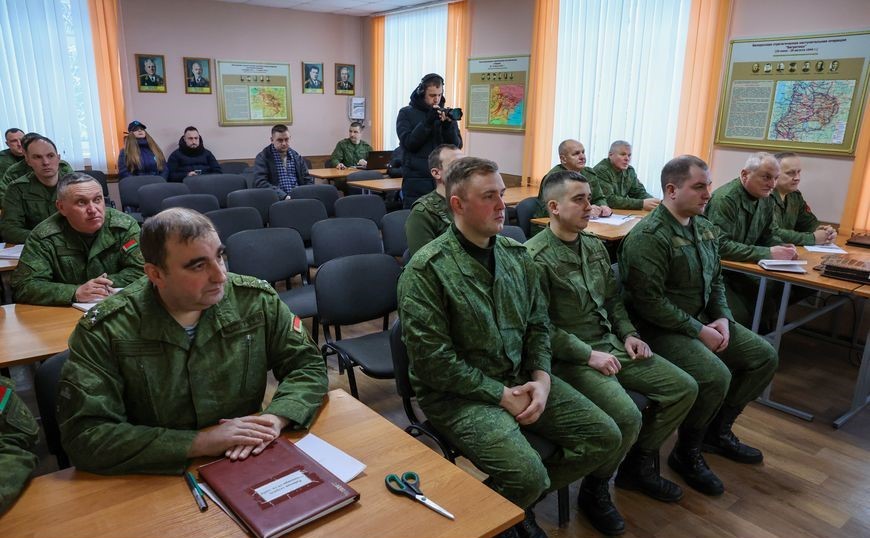
The state secretary promptly reports the inspection results to the president, which is followed by a detailed analysis of the findings.
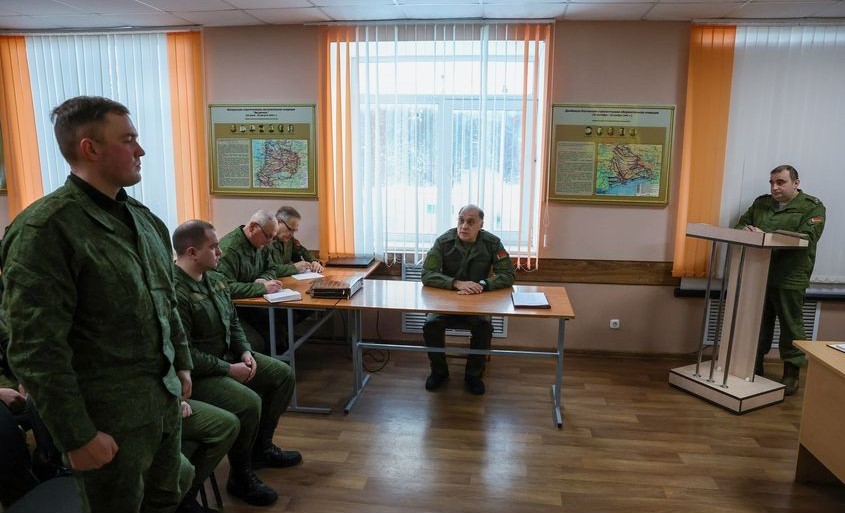
“In line with the inspection scenario one of the mechanized units of the North-Western Operational Command has been put on combat alert in peacetime force. A group of the State Secretariat arrived and presented the directive signed by the president,” Aleksandr Volfovich said.
According to him, the inspection will assess how servicemen handle the sudden alert and deployment of their units. “In general, every person in uniform must be ready to act at any time of day or night – this is what the president demands of us,” the state secretary of the Security Council added.
“The intensity of the inspection will be increased going forward,” he added.
As BelTA has reported, the Belarusian president ordered a large-scale inspection of the Armed Forces on 16 January. The first unit to be inspected was a technical support military unit, one of the largest units in the Armed Forces, that keeps storage of various models of armored vehicles and hardware.