


Russia’s Murmansk eager to expand capacity for transshipping Belarusian cargo
12:30, 6 October

Photo: BelTA
The geopolitical situation in the world has intensified the struggle for strategic resources, including Belarusian potash. According to the transport industry, it is a high-margin product whose transshipment generates good profits. While some of our neighbors with sea access have forgotten the laws of their own capitalism and place parochial politics above economics, others are offering mutually beneficial cooperation. Among those ready to receive not only potash but also other cargo from Belarus are the ports of the Russian city of Murmansk. correspondents visited this northern city to assess the pros and cons of the route.
- Поделиться в Facebook
- Поделиться ВКонтакте
- Поделиться в Twitter
Mutual interest
The topic of using the Murmansk transport hub for transshipping Belarusian cargo is not new; it has been discussed at the highest level. Back in 2022, at a meeting with Governor of Murmansk Oblast Andrei Chibis, Belarusian President Aleksandr Lukashenko said: “In the current environment, it is strategically important to redirect part of Belarusian export cargo, above all potash fertilizers, to your ports. Not only potash fertilizers. As you know, we have looked into this matter, and quite closely at that. I was briefed on all the issues, and we decided that we would cooperate with Murmansk Oblast despite the fact that we are currently already operating in the ports of St. Petersburg.”
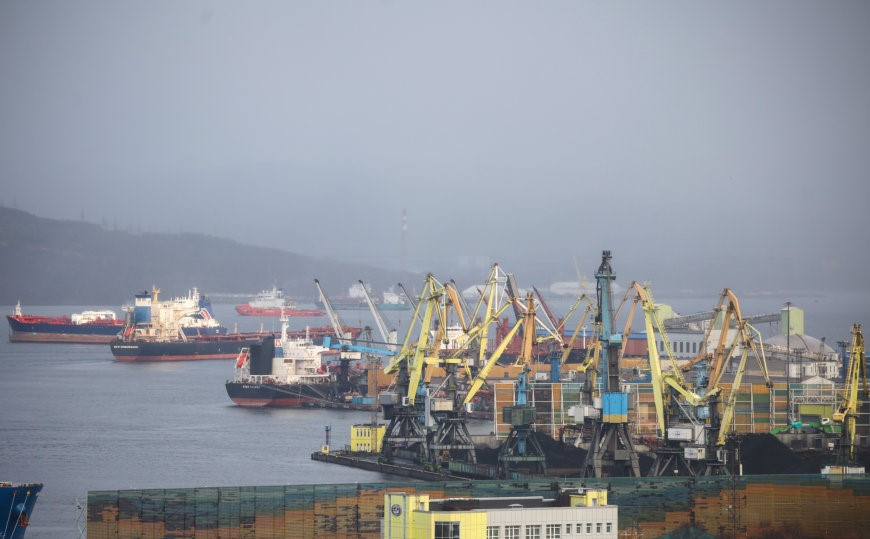
The same topic was discussed during a meeting on 2 March 2026. Following the talks with the Belarusian head of state, Andrei Chibis told journalists that the meeting covered various aspects and possibilities of using the potential of the Northern Sea Route, the trans-Arctic transport corridor and the Arctic as a whole. “We discussed in detail and at length various options for developing cargo logistics both to and from Belarus through the port of Murmansk and via the Northern Sea Route,” Andrei Chibis said.
What the sticking point is
So why have these mutually beneficial plans still not been fully implemented? There are two bottlenecks that the Belarusian president has pointed to: the cost of delivering cargo by rail and the insufficient rail capacity in the Murmansk direction. “I know this is a matter for the federal government, but even so. If you get involved, we will resolve this issue more quickly,” Aleksandr Lukashenko said.
The regional authorities have already gotten involved, as Artem Kuksa, First Deputy Minister of Arctic Development and Economy of Murmansk Oblast, told Belarusian journalists at a meeting in Murmansk. According to him, relevant proposals have been sent to the federal authorities and to Russian Railways (RZD). “Right now, my colleagues and I are working and discussing how this can be structured. This is indeed a difficult issue; it does not have any quick solution. But such a proposal exists, and we are working on it,” Artem Kuksa said. “We have already entered into negotiations with our colleagues from Russian Railways to determine what the tariffs and the payment system could be. These could be flexible, diversified tariffs, a system that would allow them to be recalculated quickly using a special formula at certain moments in order to redistribute cargo toward the port of Murmansk,” he explained.
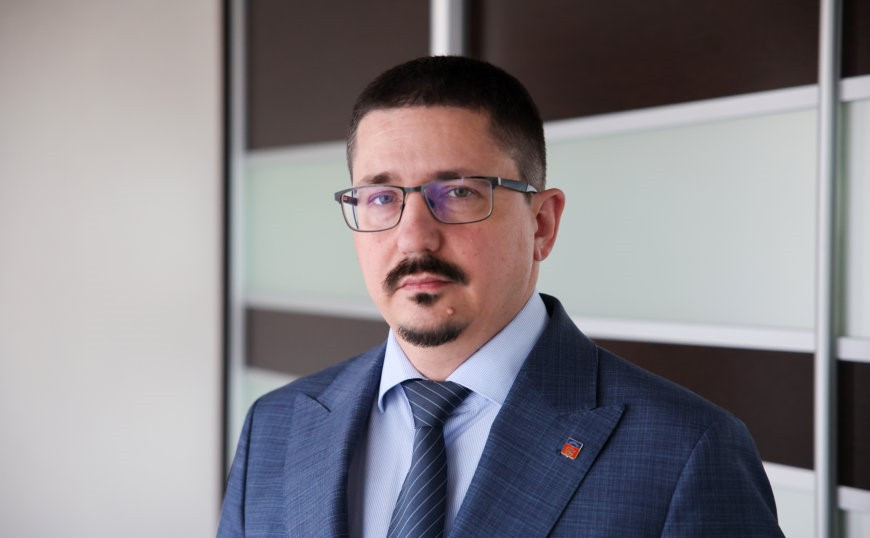
Artem Kuksa also said that work is currently under way with the Belarusian side to clarify the details. “We are genuinely interested and eager to provide every kind of support for directing these cargo flows toward Murmansk Commercial Sea Port, because this is indeed an important area of international cooperation. We are interested in making Murmansk a convenient and reliable gateway for Belarusian products to foreign markets and a platform for implementing joint logistics and investment projects,” the first deputy minister emphasized.
Murmansk’s advantages
Currently, Belarusian potash is exported mainly through the ports of Leningrad Oblast. On that route, the Russian side has provided tariff preferences for transportation, something the Murmansk authorities are also seeking. As Alexander Babchenko, head of the public relations department at the Russian National Transport Company (NTK), emphasized, the Murmansk route does not set itself against other transport corridors. Its role is to expand the capabilities of shippers, diversify export flows and strengthen the transport security of the Union State. Having several reliable routes and port hubs makes foreign trade more resilient to changes in market conditions, infrastructure constraints and external challenges.
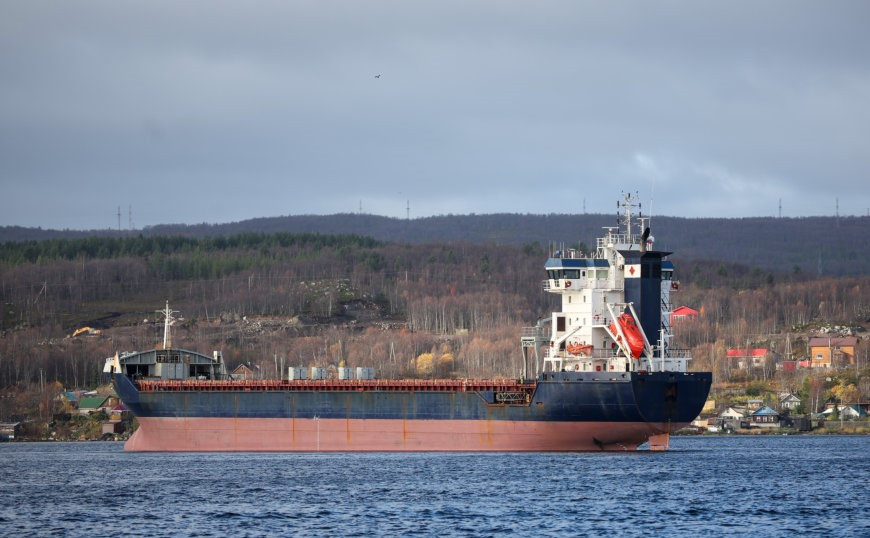
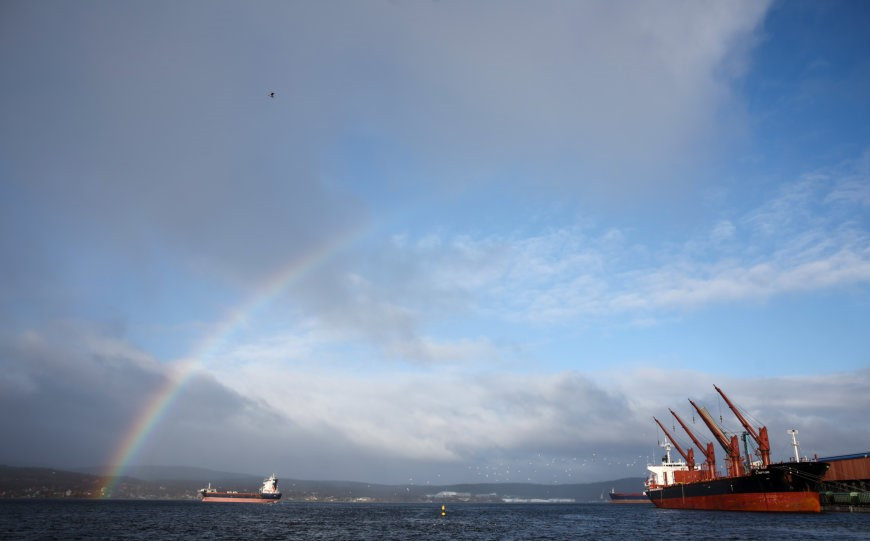
Until recently (after the introduction of Western sanctions and the refusal of the Baltic ports to cooperate) the route through the ports of Leningrad Oblast looked the most preferable for Belarus, both in terms of shipping tariffs and the length of the transport leg. But external factors are at play here too. Drone attacks on those ports have driven up the cost of insuring seagoing vessels so sharply that even current shipping tariffs on the Murmansk route no longer look quite so unaffordable. Nor should one overlook the fact that the Baltic route passes through the territorial waters of several EU states, which have more than once hinted at the possibility of blocking shipping from Russian ports. So for Belarus, having an additional, tried-and-tested route will not go amiss. And the Murmansk ports make it possible to send cargo both via the Northern Sea Route and towards the Atlantic without crossing anyone’s territorial waters.
What’s the weather got to do with it?
Another advantage of Murmansk is its year-round ice-free ports. And Belarus has already made use of this. The point is that last winter the Gulf of Finland froze, shipping there came to a halt, and Belarusian potash went through Murmansk. “We received two vessels and handled them successfully using our unique technology - 100,000 tonnes were transshipped. We do not position ourselves as an alternative to other ports, but we are a standalone enterprise and are ready to cooperate with any partners in the future. If during negotiations we see that it works well for the Belarusians and that we are comfortable working with you, then why not continue cooperating?” said Andrei Riznichenko, Production Director at the Murmansk Commercial Sea Port.
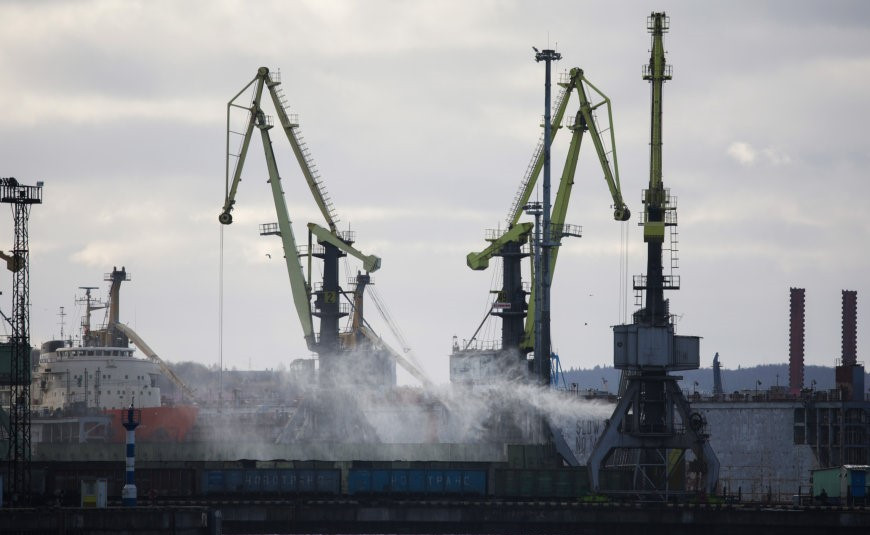
According to him, a technology for transshipping Belarusian potash was developed at the port specifically and promptly. The port is ready to improve it and to offer various preferences if Belarus decides to make regular use of Murmansk’s capacity.
“Organizing potash fertilizer shipments through Murmansk has become an example of a comprehensive logistics solution for the NTC. We have built not just delivery of cargo to the port, but a full-cycle technology for specialized railcars: after the potash is unloaded, the rolling stock is loaded on the return leg with raw materials from Murmansk Oblast. This cuts empty runs, improves the economic efficiency of transport and confirms that the Murmansk route is ready for steady work with large export flows,” Andrei Ryzhenkov, Director for Logistics and Tariff Regulation at NTC, said.
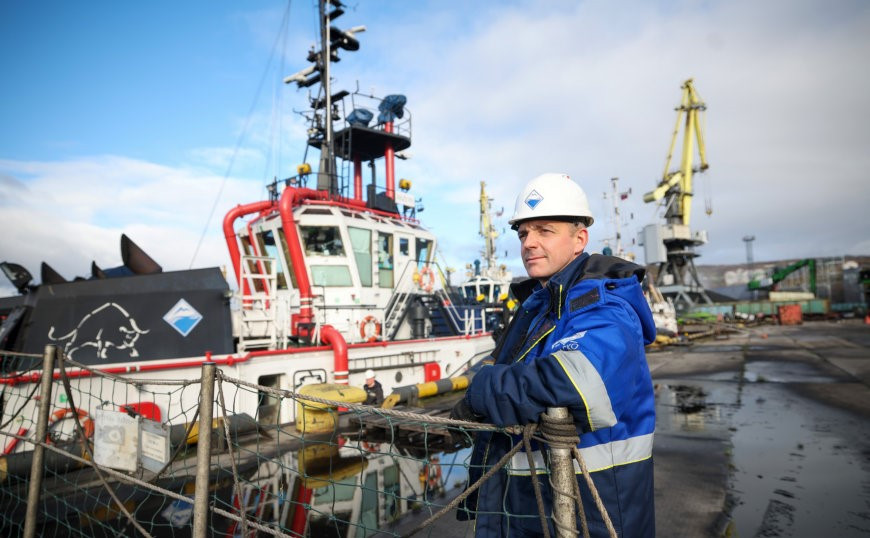
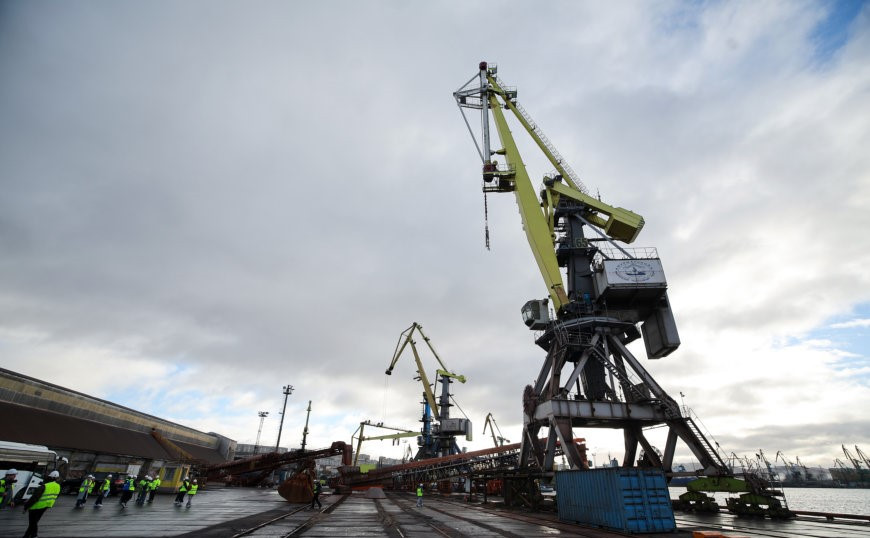
Pavel Oleinik, Executive Director of the Murmansk Commercial Sea Port and the Murmansk Bulk Terminal, stated that Murmansk, which had long been underused for transit, is becoming a stabilizing factor that has made it possible to redirect cargo flows from both the Black Sea and the Baltic. “And in any unstable situation it acts as a kind of valve that allows pressure to be reduced or a rapid response to be made,” he said.

What about plans to build a Belarusian port in Murmansk
The project to build a Belarusian terminal in Murmansk was also discussed at the March meeting between Aleksandr Lukashenko and Andrei Chibis. Back in 2024, the government of the Russian region signed an agreement with a Belarusian investor on its construction.
According to Artem Kuksa, First Deputy Minister for Arctic Development and Economy of Murmansk Oblast, these plans remain relevant. However, implementation runs up against the same problem of railway carrying capacity. “While this strategic task is being addressed, we need to consider the possibility of using existing infrastructure,” he said.
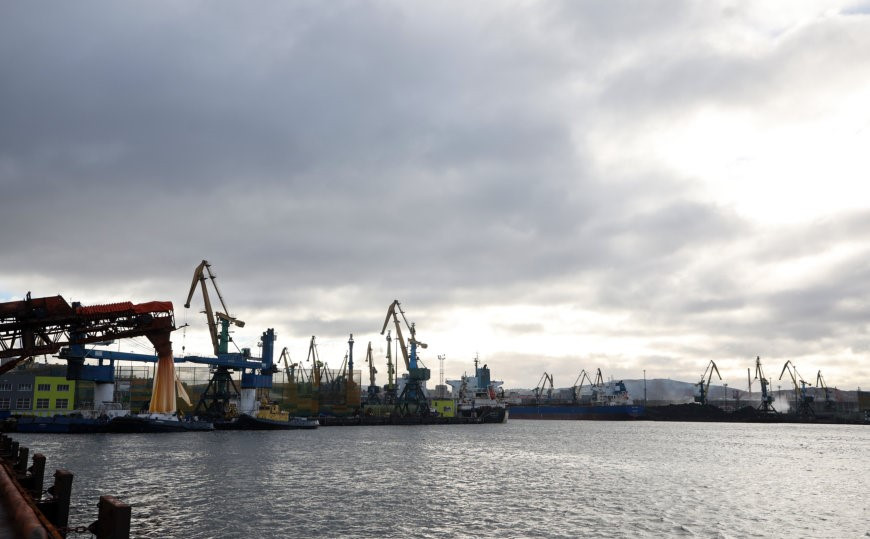
Pre-project preparations for the initiative are currently underway. The construction of a Belarusian port is tied in with the comprehensive reconstruction of the entire Murmansk transport hub. “A comprehensive project for the development of the Arctic and the region’s economy is precisely what can solve this problem - not only for Belarusian cargo, but for cargo flows towards Murmansk in general,” the first deputy minister said.
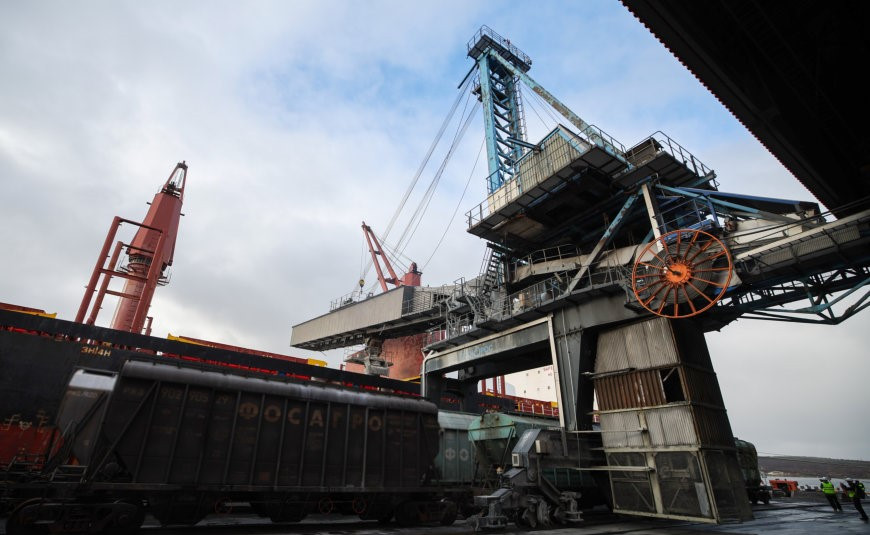
The location for the future Belarusian port has already been identified - the western shore of the Kola Bay.
In lieu of an afterword
From the latest news: John Denton, head of the International Chamber of Commerce, has warned of the risk of a global food crisis due to disruptions to shipping through the Strait of Hormuz amid the war between the USA and Iran. According to him, available fertilizer supplies have already fallen by almost 40%. “People perceive what is happening primarily through the prism of the USA-Iran confrontation - a spectacle that in some sense seems theatrical, so large-scale and all-consuming is it. But the truly critical problem is precisely with fertilizers,” he said. According to John Denton, since shipping through the Strait of Hormuz was disrupted, the market has been short by around 2.7 million tonnes of product.


